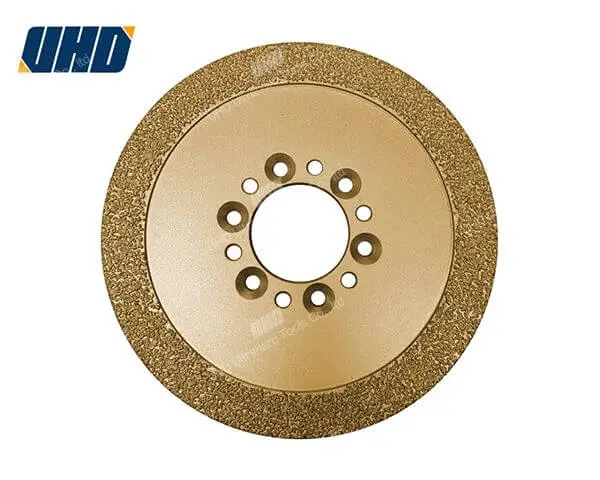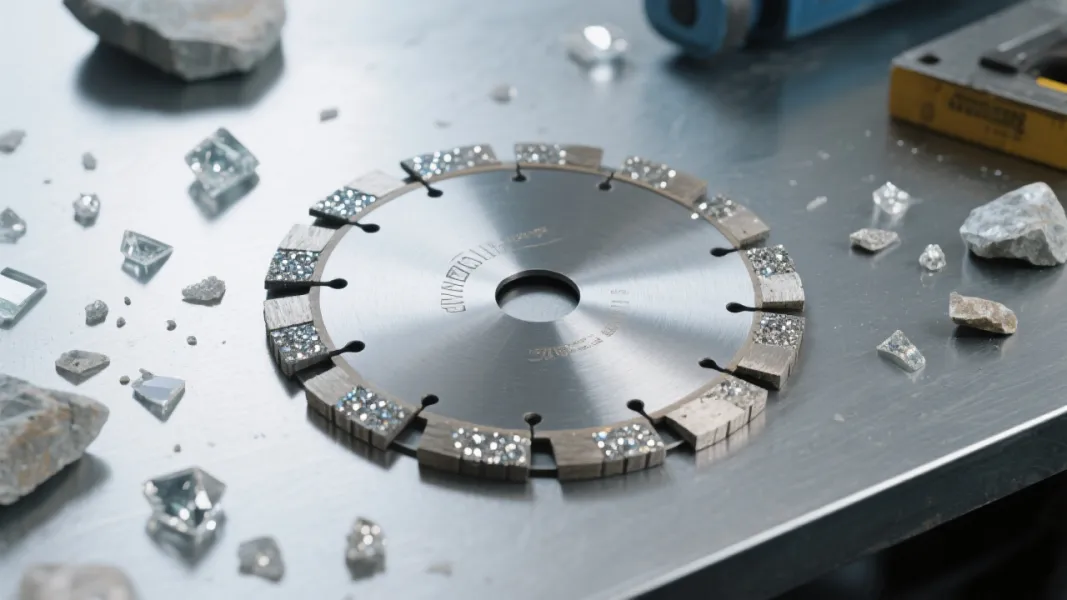
In stone, concrete, and refractory processing, performance is rarely limited by the machine alone. It is limited by how effectively a blade holds diamond, dissipates heat, and stays stable under shock loads. A 400mm brazed diamond saw blade built with enhanced bonding brazing technology is designed for exactly that reality—high load, high friction, and mixed jobsite conditions where stability matters as much as speed.
Quick takeaway: Compared with many conventional sintered blades, brazed structures can expose more diamond cutting edges at once, improving initial sharpness and reducing “glazing” risk—especially on granite, reinforced concrete, and hard masonry.
“Brazed” is not simply a joining method—it is the blade’s core performance logic. In a 400mm diameter blade, the cutting arc is longer and the centrifugal load is higher than smaller sizes, so the bond must resist both thermal cycling and mechanical shock. Enhanced brazing aims to increase the diamond retention strength and reduce micro-cracks at the bond interface.
Actual parameters vary by machine power, material hardness, and whether wet or dry cutting is used. The following values are commonly referenced in industrial applications to help buyers compare setups:
| Parameter | Typical Range | What It Influences |
|---|---|---|
| Blade diameter | 400 mm | Cutting depth, stability, throughput |
| Segment height | 10–15 mm | Service life, cost-per-cut |
| Kerf / thickness | 2.8–3.6 mm | Power draw, vibration, material waste |
| Recommended machine power | 3–7.5 kW | Feed stability, overload resistance |
| Typical spindle speed | 1,800–3,200 rpm | Chip evacuation, heat generation |
| Max operating rim temperature (practical) | ~120–200°C (process-dependent) | Diamond stability, bond fatigue, safety margin |
Note for buyers: When comparing blades, do not rely on diameter alone. Ask for bond system type (brazed vs sintered), diamond grade (impact resistance and thermal stability), and core tensioning method—these determine whether a 400mm blade stays true in long cuts.

The efficiency of a brazed diamond blade comes from how diamonds are positioned and anchored. Instead of relying mainly on gradual exposure through wear (common in many sintered designs), brazing can hold diamonds in a way that keeps more cutting points active from the start—particularly valuable when the job includes granite, quartz-rich stone, cured concrete, or dense blocks.
Optimized exposure
More active cutting edges reduce friction heat and help maintain stable feed rates, especially in long straight cuts.
Controlled spacing
Balanced spacing helps chip evacuation and lowers the chance of segment “loading” in sticky concrete or wet slurry.
Impact resistance
Reinforced concrete and granite can introduce shock. A strong brazed interface reduces premature diamond pull-out.
A blade can be sharp and still cut poorly if the core is unstable. For 400mm applications—floor saws, masonry saws, bridge saws, and industrial cutting stations—the steel core must remain flat under heat and rotation. A well-designed alloy core typically includes tensioning and stress-relief features to reduce wobble and improve tracking.
Dynamic balance
Helps reduce vibration at operating rpm (especially important for 400mm and above).
Radial / axial runout
Lower runout improves cut straightness and reduces overheating on the rim.
Bond inspection
Verifies consistent brazed alloy coverage and minimizes weak zones at the segment interface.
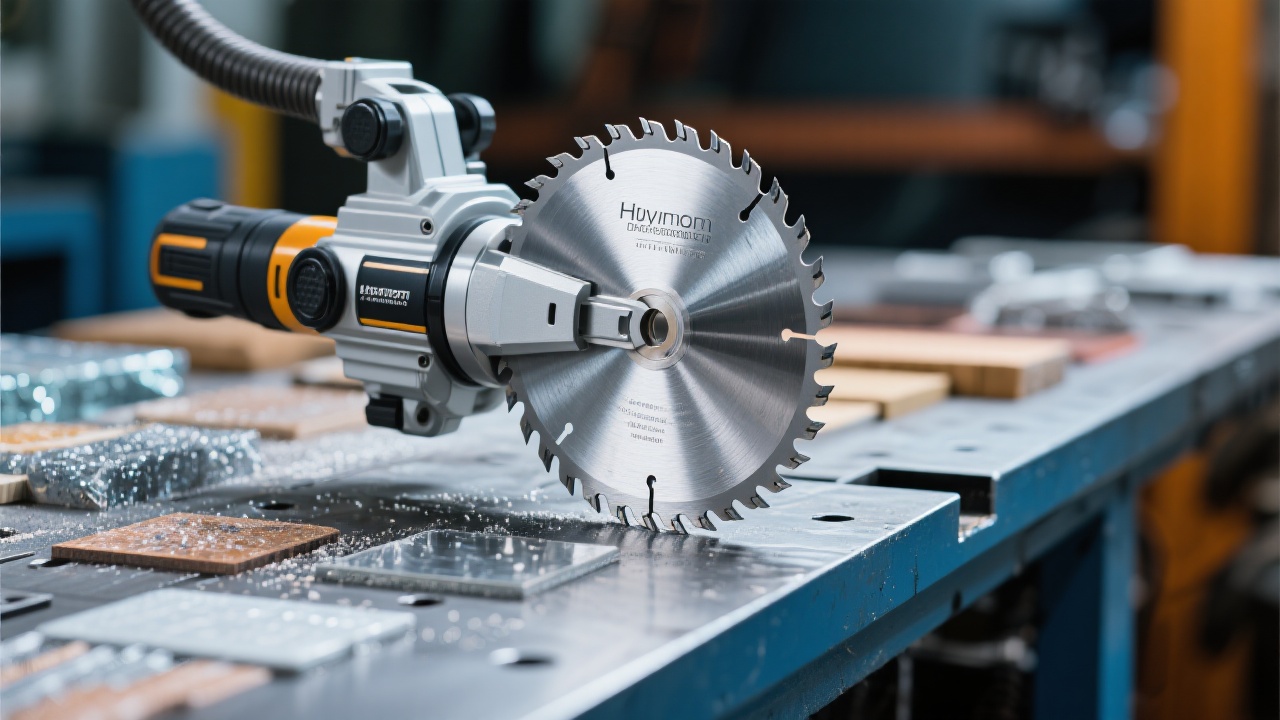
Heat and vibration are the two silent causes of early blade failure. Heat softens the bond system and accelerates diamond degradation; vibration increases micro-fractures and can compromise user control. A 400mm blade benefits significantly from cooling slots, airflow channels, and damping features that reduce resonance during long passes.
| Mode | Best For | Operational Notes |
|---|---|---|
| Wet cutting | Granite, continuous production, thick concrete | Lower dust + lower temperature; often improves blade life and cut quality. |
| Dry cutting | Mobile jobsites, quick cuts, limited water access | Use staged cutting (short passes), allow cool-down, and prioritize airflow slot designs. |
For buyers in the awareness stage, a short demo builds trust faster than a long specification list. A practical video usually includes: start-up stability, entry cut behavior, steady-state feed, and the cut edge result on two materials (e.g., granite + concrete).
Embedded Video Block
Suggested length: 30–60s · Show: wet cut (granite) + dry cut (concrete) · Overlay: rpm, feed rate, and cooling method

On paper, many blades “cut concrete and stone.” In practice, performance is decided by the variables buyers don’t see at first glance: aggregate hardness, rebar density, stone crystal size, and whether the operator uses stable feed. A well-matched 400mm brazed diamond saw blade is often chosen to reduce time lost to blade dressing, overheating, and segment damage.
Focus: impact tolerance + heat control. If rebar is frequent, ask for a design tuned for mixed cutting (aggregate + steel contact events).
Focus: sharpness retention and chip evacuation. Wet cutting typically yields the best edge quality and reduces micro-chipping.
Focus: smoothness and low vibration. Overly aggressive diamonds can leave swirl marks; stable core design becomes the priority.
In international supply, performance claims are not enough. Buyers often look for traceable QC routines, consistency between batches, and documentation readiness for local requirements. For the EU market, CE-related compliance (as applicable to the product category and its use) is commonly paired with internal controls such as incoming material checks, core flatness inspection, and bond consistency audits.
Even a high-end brazed blade can underperform if it is used like a generic consumable. Industrial users typically get the best consistency by treating blades as a matched tool: correct mounting, correct rpm, and correct cooling method. Small habits—like avoiding side pressure and using staged entry—often extend usable life measurably in daily production.
Mounting discipline
Keep flanges clean, confirm rotation direction, and avoid overtightening that can warp the core.
Feed control
If sparks, burning smell, or excessive dust appear, reduce feed and improve cooling/airflow immediately.
Storage
Store flat and dry; avoid impacts that can introduce micro-deformation before installation.
For industrial buyers, the fastest way to reduce cutting cost is not guessing—it is matching bond system, diamond grade, and core design to your exact application. A professional supplier can provide custom arbor sizes, application-tuned segment geometry, and after-sales guidance on rpm/feed/cooling to help your team keep performance stable across batches.
Typical response items: material photos · machine power/rpm · cutting mode (wet/dry) · target throughput

 154
|
154
|
 Brazed diamond saw blade
CE-certified saw blade
Industrial cutting solution
Customized diamond saw blade
Stone processing tool
79
|
400mm brazed diamond saw blade
wear - resistant cutting tool
industrial - grade diamond saw blade
construction cutting solution
brazing technology advantage
271
|
diamond saw blade maintenance
brazed diamond blade troubleshooting
saw blade vibration monitoring
industrial saw blade installation tips
concrete cutting blade care
137
|
ISO 9001 saw blade certification
diamond saw blade selection guide
industrial cutting tool trends
brazed diamond saw blade
granite cutting solutions
293
|
diamond blade for tile cutting
marble precision cutting
brazed diamond saw blade
stone cutting techniques
ceramic tile cutting tools
Brazed diamond saw blade
CE-certified saw blade
Industrial cutting solution
Customized diamond saw blade
Stone processing tool
79
|
400mm brazed diamond saw blade
wear - resistant cutting tool
industrial - grade diamond saw blade
construction cutting solution
brazing technology advantage
271
|
diamond saw blade maintenance
brazed diamond blade troubleshooting
saw blade vibration monitoring
industrial saw blade installation tips
concrete cutting blade care
137
|
ISO 9001 saw blade certification
diamond saw blade selection guide
industrial cutting tool trends
brazed diamond saw blade
granite cutting solutions
293
|
diamond blade for tile cutting
marble precision cutting
brazed diamond saw blade
stone cutting techniques
ceramic tile cutting tools






.png?x-oss-process=image/resize,h_600,m_lfit/format,webp)