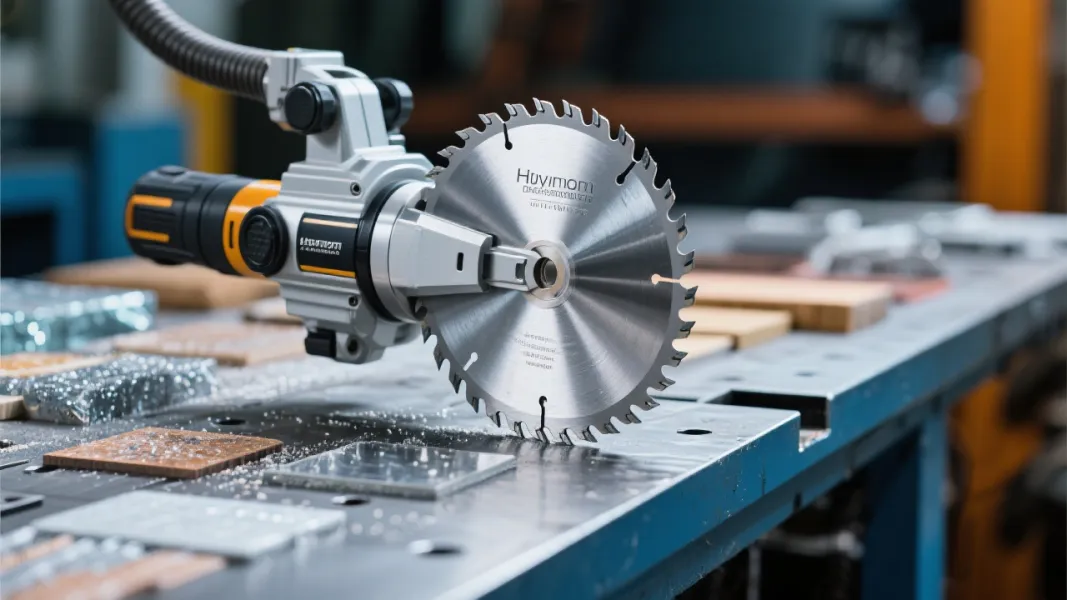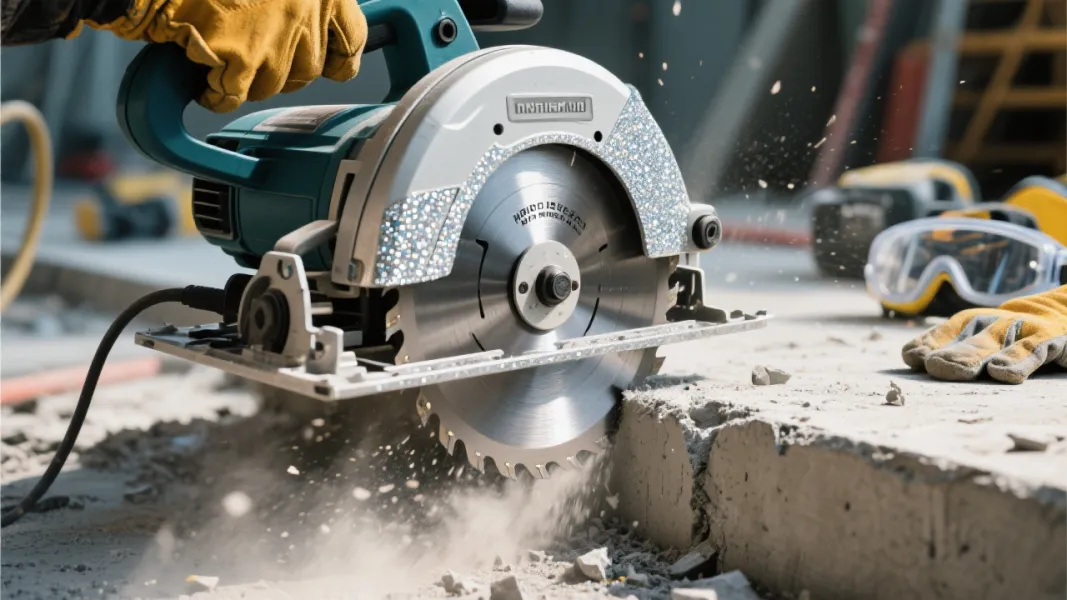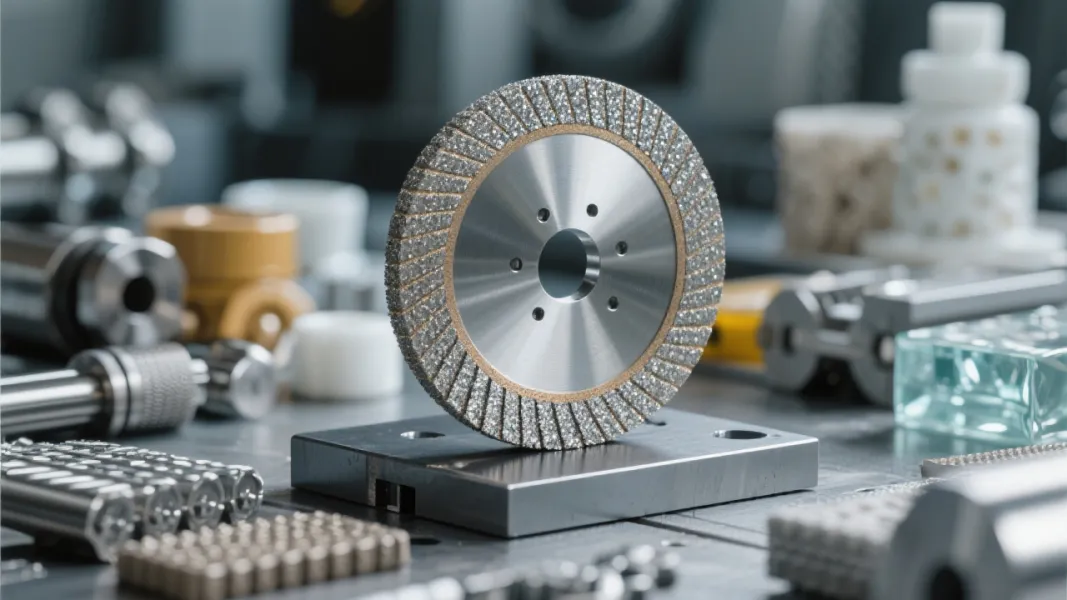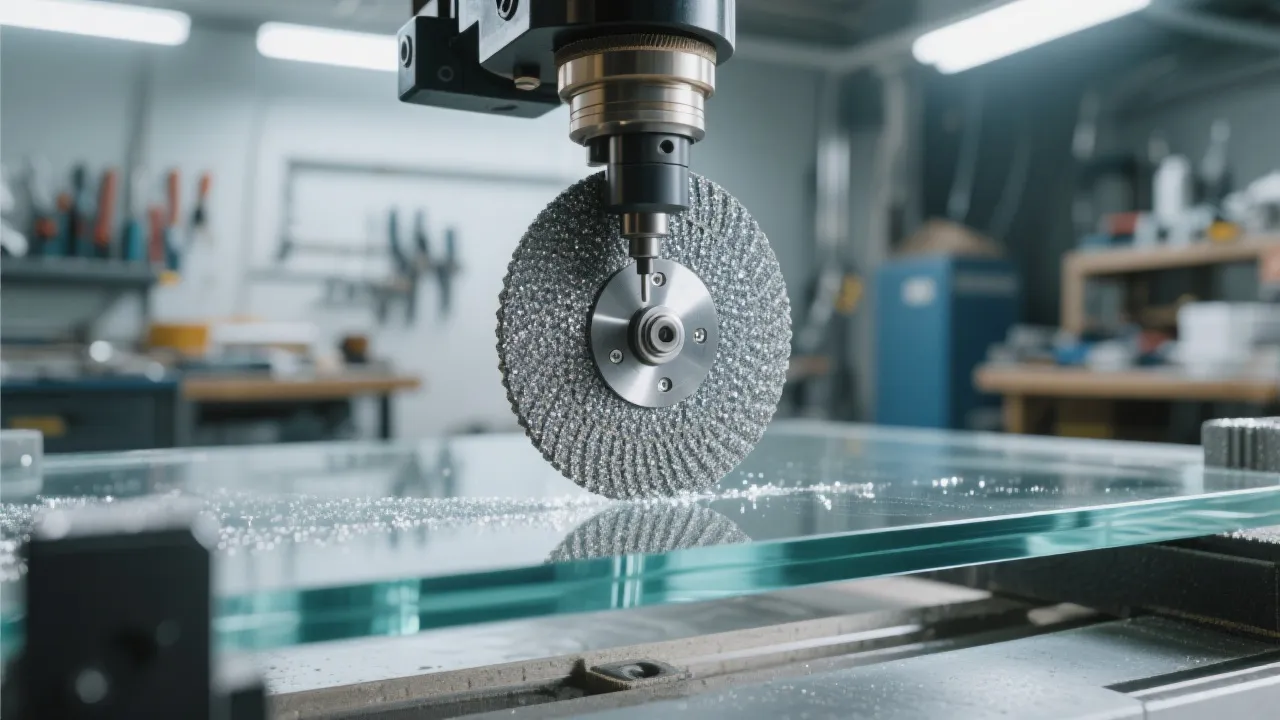
In the realm of industrial cutting solutions, brazing technology has emerged as a cornerstone in producing high-performance diamond saw blades. This technique ensures a robust metallurgical bond between diamond particles and the blade substrate, directly influencing cutting efficiency, tool longevity, and operational safety. UHD’s insights delve into the core principles of brazing and highlight how advancements in this technology empower mechanical manufacturers and R&D professionals to optimize cutting tools tailored for demanding applications such as concrete, granite, and marble processing.
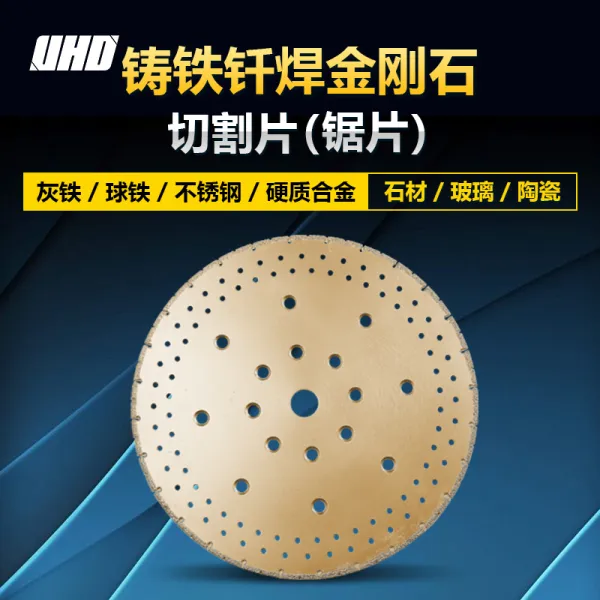
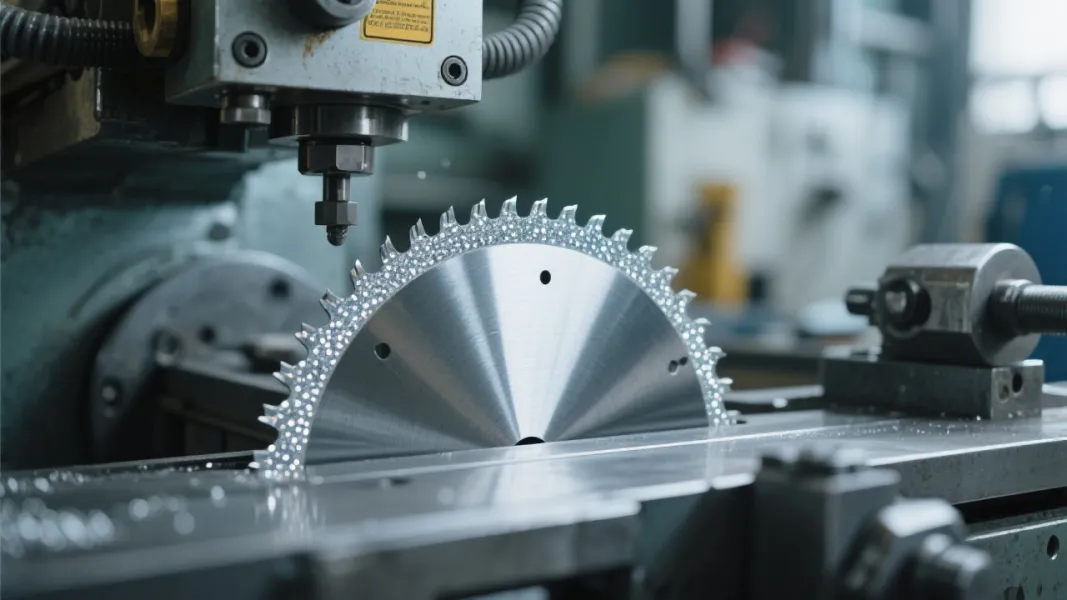
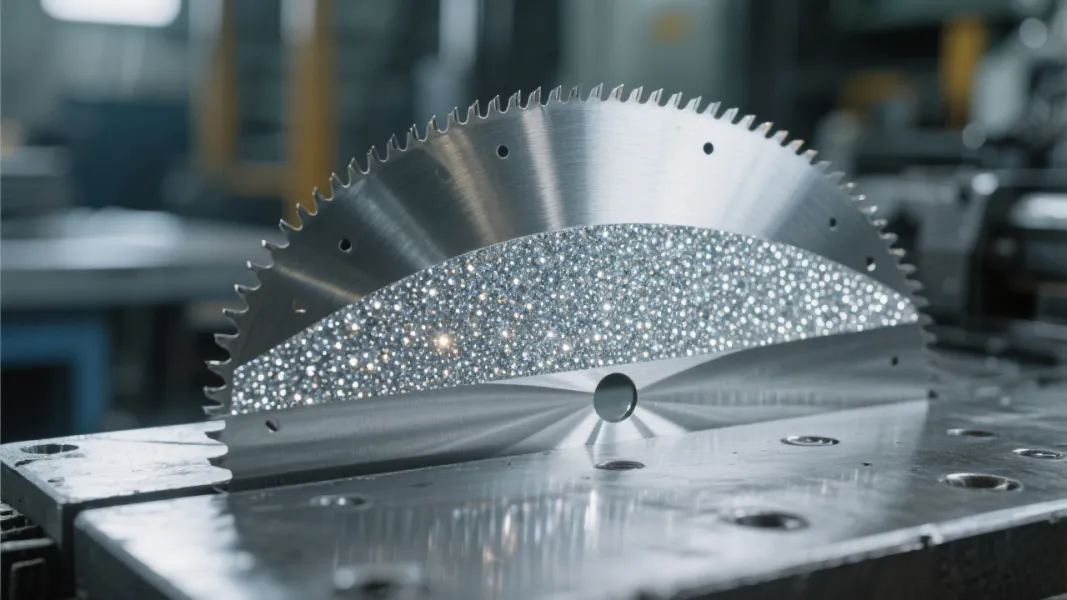
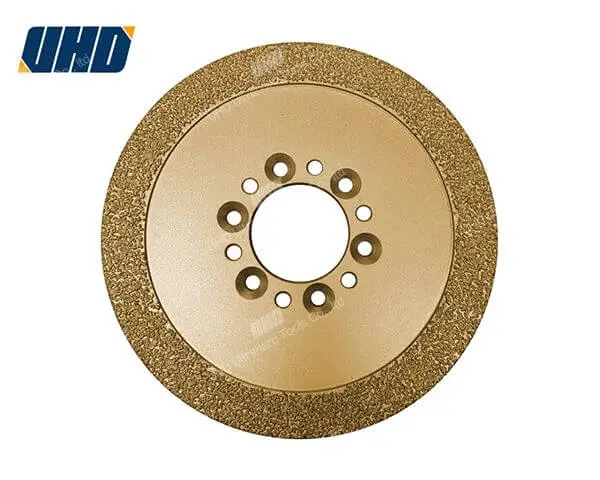
Brazing involves joining diamond particles to a steel or alloy base by melting a filler metal with a melting point typically above 450°C but below the base metals. The process creates a continuous, hard, and heat-resistant bond ensuring diamond particles remain securely embedded during high-impact cutting. Unlike mechanical fastening or sintering, brazed bonds enhance diamond retention and reduce the risk of particle pull-out, which is crucial when working with hard materials such as granite or concrete.
Key advantages of brazing in diamond saw blade manufacturing include:
To maximize bonding strength, UHD emphasizes a tightly controlled brazing workflow. This begins with pre-treatment of diamond grains and substrate cleaning, followed by precise application of filler metals—commonly copper-based alloys mixed with silver or nickel—to promote metallurgical diffusion.
Process parameters such as temperature profiles, atmosphere control (often utilizing vacuum or inert gases), and precise timing ensure the molten filler metal wets both the diamond surfaces and the substrate without causing diamond graphitization or substrate distortion.
Studies have shown that optimized brazing can increase the diamond-to-substrate bond strength by up to 35%, directly translating into a 20-30% increase in blade life under industrial cutting conditions (ASTM F1282 standard referenced).
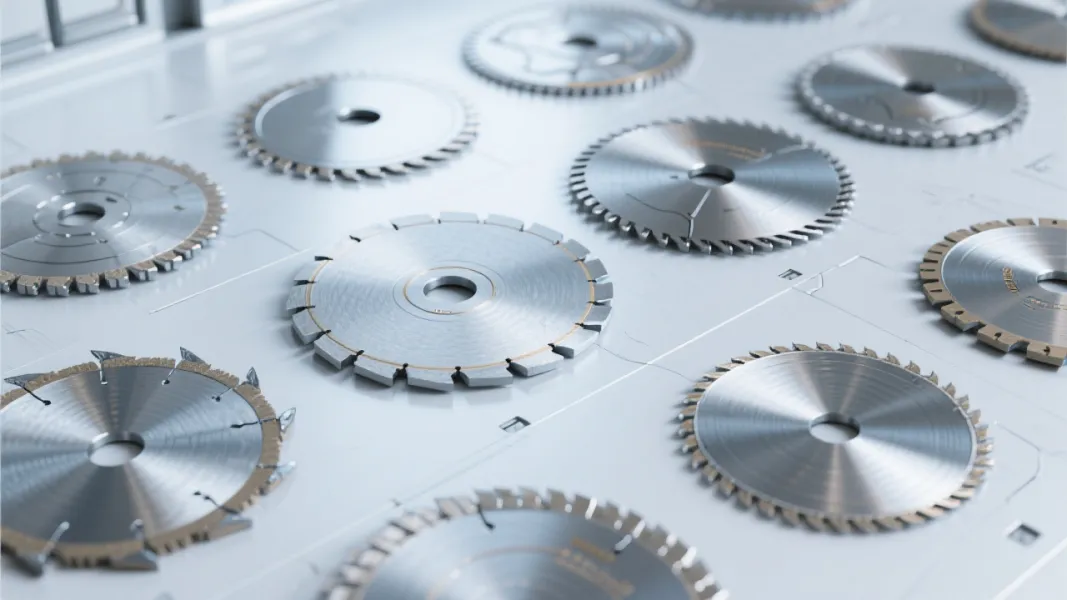
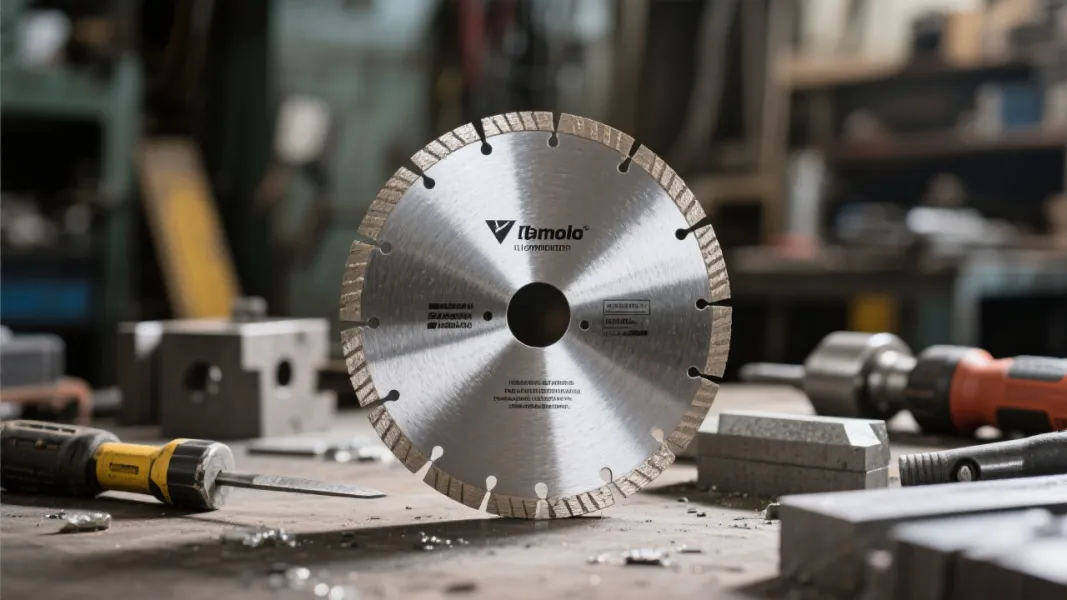
Controlling cutting temperature is paramount for maintaining diamond integrity and reducing blade wear. UHD integrates innovative heat dissipation structures—such as segmented blade profiles with ventilation slots and composite core materials—to facilitate rapid thermal conduction and minimize heat accumulation.
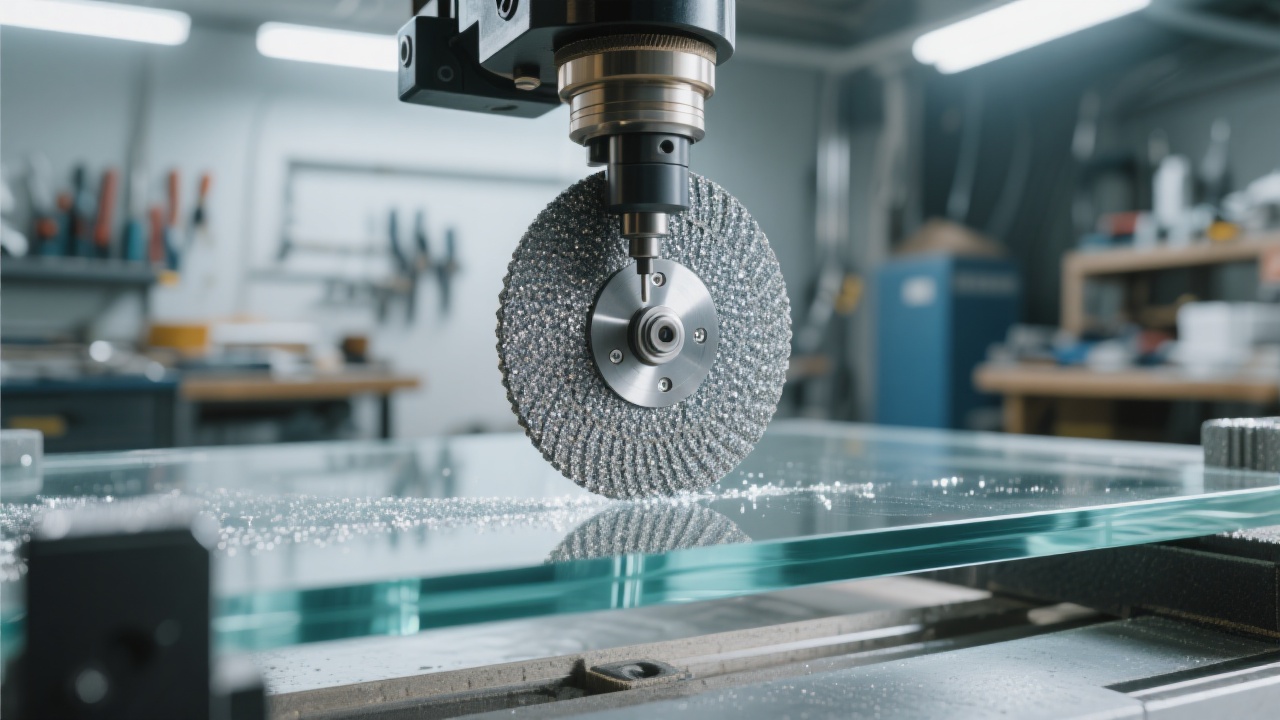
This cooling mechanism reduces cutting zone temperature by an estimated 15-20% compared to conventional designs, resulting in less thermal stress and quieter operation during both dry and wet cutting scenarios. Lower temperatures also maintain the sharpness and microstructure of diamond particles, crucial for cutting ultra-hard materials.
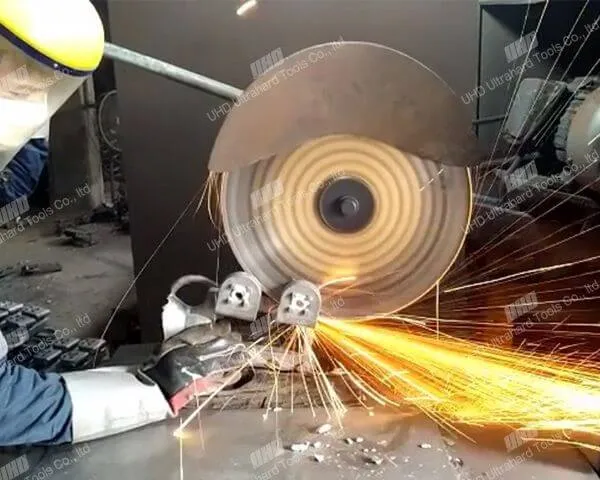
Using UHD’s 400H brazed diamond saw blade as a benchmark, performance evaluations demonstrate exceptional cutting efficiency and durability across hard substrates:
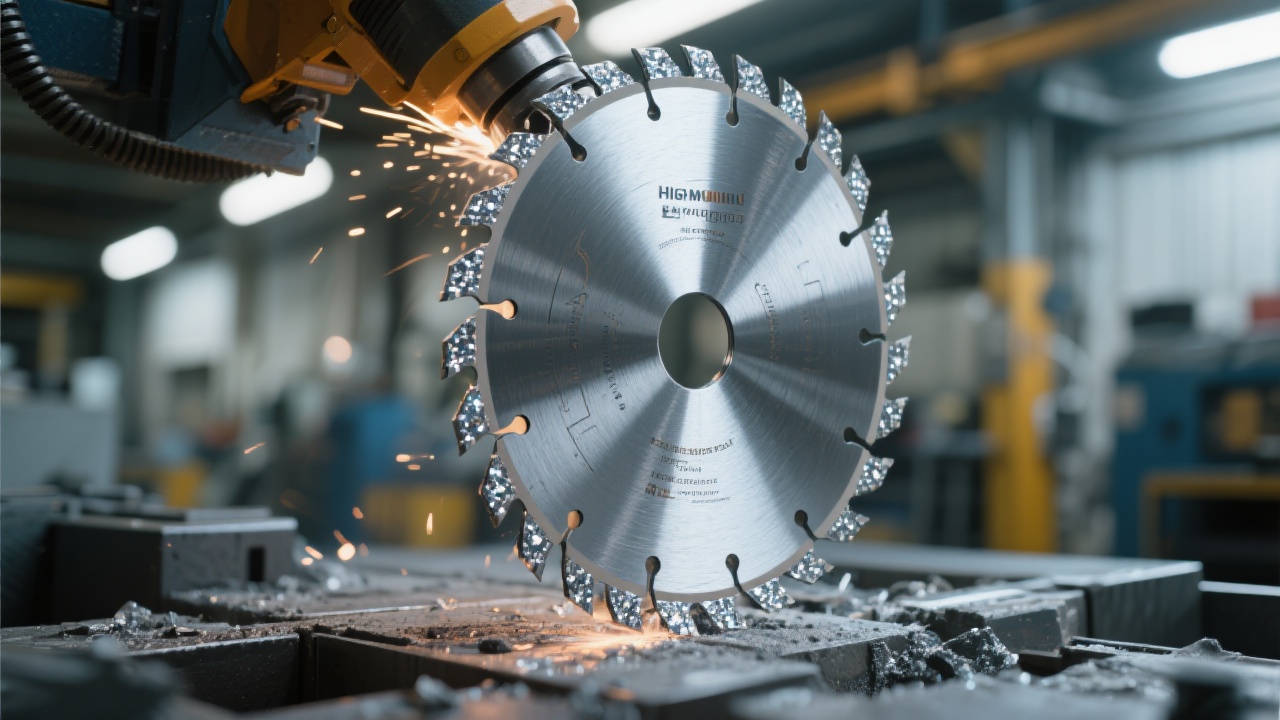
Adherence to international quality and testing standards, such as ISO 6847 for abrasive tool durability and ASTM F1282 for diamond retention, ensures UHD’s blades meet rigorous industrial demands. Long-term wear resistance testing reveals a 30% improvement in abrasive wear index over traditional brazed blades.
These data points provide critical assurance for manufacturers automating high-precision cutting processes where tool failure leads to costly downtime or compromised safety.
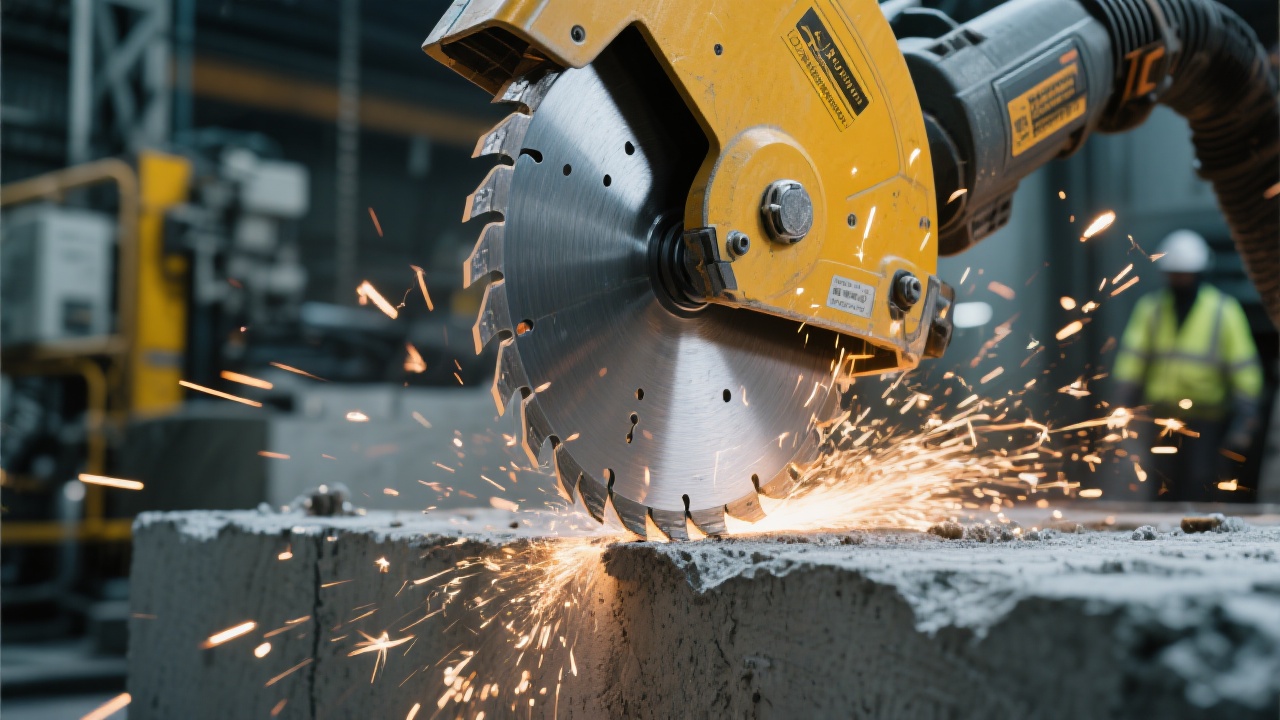
Industrial applications demand adaptability. UHD equips mechanical manufacturers and R&D teams with tailored brazing solutions and technical consultancy to optimize blade configurations—segment height, diamond grit sizes, and core metallurgy—to match specific material hardness, cutting speeds, and operational environments.
Are you encountering accelerated blade wear or suboptimal cutting speeds with your current solutions? UHD’s expert technical team stands ready to analyze your cutting challenges and co-develop precision brazed diamond saw blades engineered for your unique requirements.
 217
|
217
|
 400H brazed diamond saw blade
diamond saw blade cutting efficiency
welded diamond saw blade
building stone cutting tool
export hardware tool competitiveness
400H brazed diamond saw blade
diamond saw blade cutting efficiency
welded diamond saw blade
building stone cutting tool
export hardware tool competitiveness
 300
|
Brazed diamond saw blade application
Stone cutting solutions
Saw blade customization specifications
Wet and dry cutting selection
High - strength cutting tools
151
|
diamond saw blades
wet cutting
dry cutting
brazed diamond blade maintenance
concrete cutting technology
72
|
Wet cutting vs dry cutting
Diamond saw blade usage precautions
Saw blade maintenance techniques
Stone cutting condition selection
Concrete cutting technology
319
|
Brazed diamond saw blade applications
Stone cutting solutions
Saw blade customization specifications
Concrete cutting saw blades
CE ISO quality certification
300
|
Brazed diamond saw blade application
Stone cutting solutions
Saw blade customization specifications
Wet and dry cutting selection
High - strength cutting tools
151
|
diamond saw blades
wet cutting
dry cutting
brazed diamond blade maintenance
concrete cutting technology
72
|
Wet cutting vs dry cutting
Diamond saw blade usage precautions
Saw blade maintenance techniques
Stone cutting condition selection
Concrete cutting technology
319
|
Brazed diamond saw blade applications
Stone cutting solutions
Saw blade customization specifications
Concrete cutting saw blades
CE ISO quality certification






.png?x-oss-process=image/resize,h_600,m_lfit/format,webp)

.png?x-oss-process=image/resize,h_600,m_lfit/format,webp)