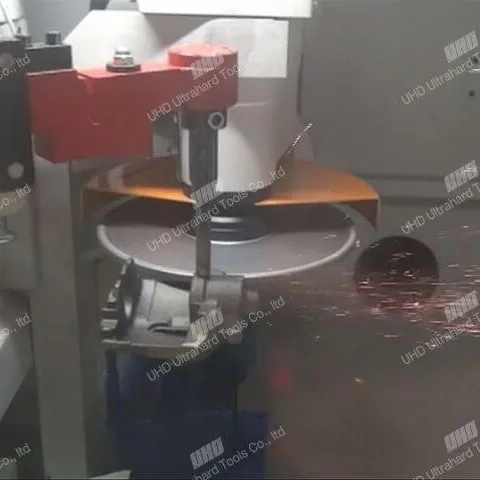
In the realm of industrial cutting operations, diamond saw blades are indispensable tools. However, many users often find it challenging to determine when it's time to replace these blades. This article is designed to address this issue, providing you with a comprehensive guide on the replacement standards of diamond saw blades, along with practical fault diagnosis and maintenance tips.
There are several tell - tale signs that indicate your diamond saw blade needs replacement. Let's take a closer look at each of them.
Normally, a well - functioning diamond saw blade should produce a consistent saw cut width. If you notice that the saw cut is gradually widening, it's a clear sign that the blade is wearing out. A wider saw cut not only affects the precision of your cutting work but also indicates that the blade's cutting ability is deteriorating. For example, in a construction project where high - precision cutting is required, a saw cut width increase of more than 0.5mm can significantly impact the quality of the work.
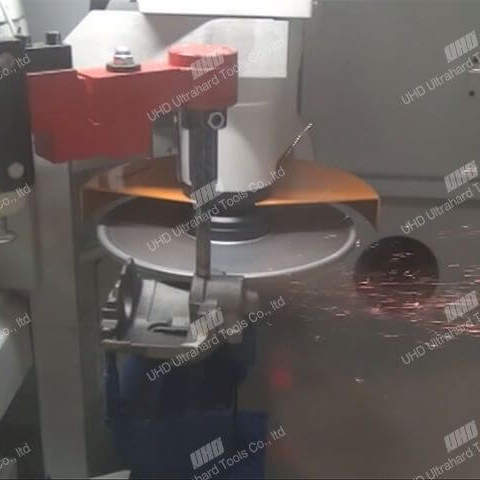
Unusual noises during the cutting process are another red flag. A properly operating saw blade should make a relatively smooth and consistent sound. If you start to hear grinding, screeching, or rattling noises, it could mean that the blade is damaged, misaligned, or clogged with debris. According to industry statistics, about 70% of saw blades with abnormal noise are in need of immediate inspection or replacement.
Overheating is a serious issue that can not only damage the saw blade but also pose a safety risk. When the blade generates excessive heat, it may be due to factors such as improper cutting speed, lack of coolant, or a dull blade. A blade temperature exceeding 80°C for an extended period can cause thermal damage to the diamond segments, reducing the blade's performance and lifespan.
Chipping or breaking of the blade's edge is a clear indication of blade damage. This can be caused by hitting hard objects during cutting, improper handling, or using the blade beyond its capacity. Even a small chip can lead to further damage and affect the cutting quality. In some cases, a blade with more than 3 chips on its edge should be replaced immediately.
Regular maintenance is crucial for extending the lifespan of your diamond saw blade. Here are some key maintenance practices:
Carbon deposits can accumulate on the saw blade during the cutting process, affecting its cutting performance. Regularly cleaning these deposits can restore the blade's sharpness and cutting efficiency. It is recommended to clean the blade at least once every 20 hours of use.
Keeping the coolant clean and at the right level is essential for preventing overheating. Replace the coolant every 50 - 100 hours of operation to ensure its effectiveness. A clean coolant can also help flush away debris and reduce friction during cutting.
Controlling the feed rate is vital for the blade's performance and longevity. An excessive feed rate can put too much stress on the blade, leading to premature wear and damage. On the other hand, a too - slow feed rate can cause the blade to overheat. Based on different cutting materials, the optimal feed rate should be adjusted accordingly. For example, when cutting granite, the feed rate should be around 10 - 15 mm/min.
To help you better manage your diamond saw blade, we've designed a simple and practical inspection process. You can download our inspection checklist here to ensure that you don't miss any important steps.
As an engineer with over 15 years of experience in the field once said, "Regular inspection and maintenance are the keys to getting the most out of your diamond saw blade."
If you have any further questions or need more in - depth technical support, our Youde Superhard Technology Support Team is here to assist you. Just click here to contact us and let us help you optimize your diamond saw blade usage.





.png?x-oss-process=image/resize,h_600,m_lfit/format,webp)
.png?x-oss-process=image/resize,h_600,m_lfit/format,webp)
.png?x-oss-process=image/resize,h_600,m_lfit/format,webp)


