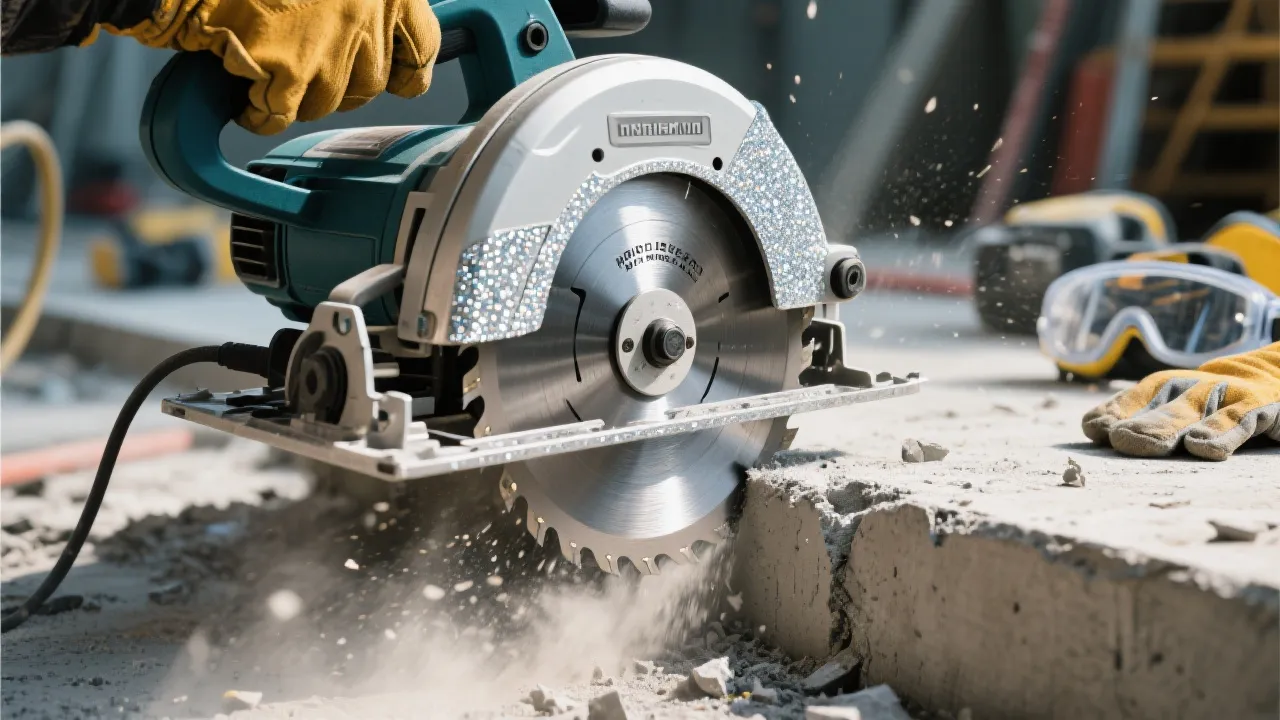
Are you struggling with slow cutting speeds, premature blade wear, or inconsistent results when working with hard materials like concrete, granite, or marble? You're not alone. In industrial applications—from municipal construction to high-precision stone fabrication—inefficient diamond saw blades are a silent cost killer.
Recent studies show that using improperly sized diamond grains can reduce cutting efficiency by up to 35%. For example, in dry-cutting applications on reinforced concrete, particles between 40–60 mesh offer optimal balance between cutting speed and durability. Smaller grains (100+ mesh) may seem sharper but wear out faster under high pressure. Larger grains (20–30 mesh) provide aggressive cutting but increase vibration and tool stress.
At Ude Superhard Materials, our R&D team tested 400H brazed diamond segments across three real-world scenarios:
It’s not just about grain size—it’s how they’re bonded and cooled. Our proprietary enhanced brazing technology increases adhesion strength by 28%, reducing premature grain loss during heavy-duty operations. Combined with a redesigned heat-dissipating structure, this cuts thermal damage by over 40% compared to conventional designs.
For continuous work shifts, such as tunneling or quarrying, maintaining stable vibration levels is critical. Our segmented blade design reduces harmonic resonance by 30%, leading to smoother cuts and fewer rework cycles—a key factor for clients seeking predictable production metrics.
| Material Type | Recommended RPM | Feed Rate (mm/min) | Cooling Method |
|---|---|---|---|
| Concrete (Dry) | 4000–4500 | 8–10 | Air Cooling + Intermittent Water Spray |
| Granite (Wet) | 3000–3500 | 5–7 | Continuous Water Flow |
| Marble (Fine Finish) | 2500–3000 | 3–5 | Minimal Water / Air Cooling |
Pro tip: Avoid overfeeding—excessive pressure causes rapid grain exposure and premature blade failure. A common mistake in field settings is pushing the feed rate beyond 10 mm/min on granite, which leads to overheating and chipping within 2 hours of use.
Whether you're managing a large-scale infrastructure project or running a boutique stone workshop, optimizing your diamond blade parameters isn’t optional—it’s essential for competitiveness. The right combination of grain selection, bonding method, and operational setup directly impacts productivity, maintenance costs, and quality consistency.
Download our free “Hard Material Cutting Parameter Guide”—a practical reference sheet used by engineers at top-tier contractors worldwide.
Get the Full Guide Now →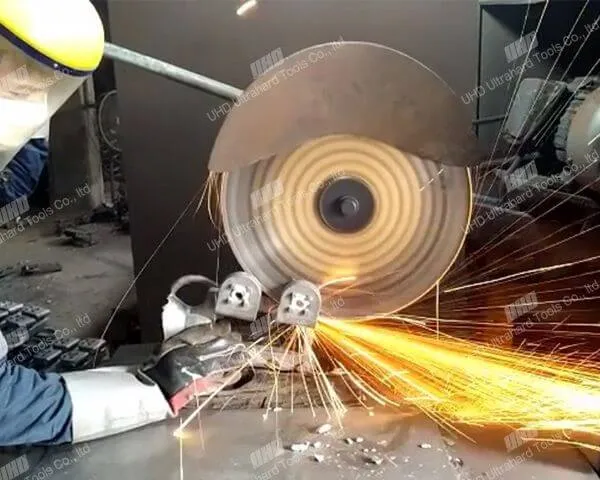
 368
|
368
|
 Brazed diamond saw blade 400H
Diamond saw blade cutting efficiency
Welded diamond saw blade
Stone cutting tool
High-hardness material cutting
Brazed diamond saw blade 400H
Diamond saw blade cutting efficiency
Welded diamond saw blade
Stone cutting tool
High-hardness material cutting
 285
|
hard material cutting efficiency
diamond blade parameter optimization
wet vs dry cutting techniques
segment life extension
cutting process tuning
285
|
hard material cutting efficiency
diamond blade parameter optimization
wet vs dry cutting techniques
segment life extension
cutting process tuning
 301
|
Solutions for large vibration of diamond saw blades
Noise reduction technology for brazed diamond saw blades
Vibration - reducing structure design of saw blades
Vibration problems of stone cutting saw blades
Optimization of mechanically balanced saw blades
238
|
brazed diamond blades
dust-free cutting tools
industrial safety
export cutting equipment
worker health protection
396
|
Brazed diamond saw blade applications
Stone cutting solutions
Saw blade customization specifications
Construction cutting tools
High - strength cutting saw blades
301
|
Solutions for large vibration of diamond saw blades
Noise reduction technology for brazed diamond saw blades
Vibration - reducing structure design of saw blades
Vibration problems of stone cutting saw blades
Optimization of mechanically balanced saw blades
238
|
brazed diamond blades
dust-free cutting tools
industrial safety
export cutting equipment
worker health protection
396
|
Brazed diamond saw blade applications
Stone cutting solutions
Saw blade customization specifications
Construction cutting tools
High - strength cutting saw blades






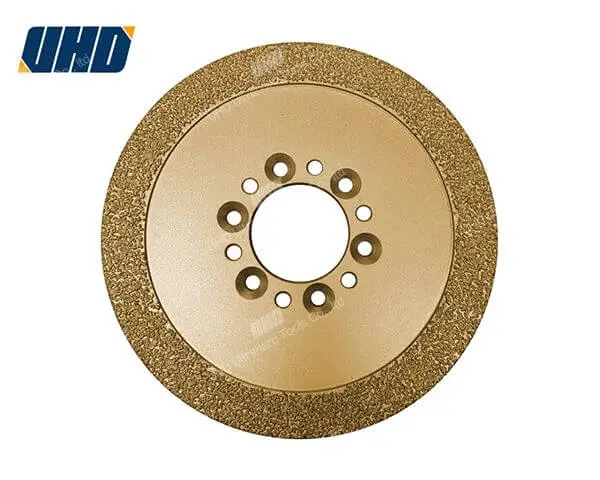
.png?x-oss-process=image/resize,h_600,m_lfit/format,webp)
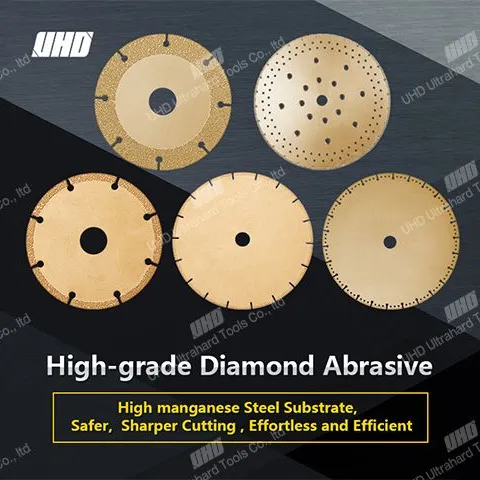
.png?x-oss-process=image/resize,h_600,m_lfit/format,webp)

