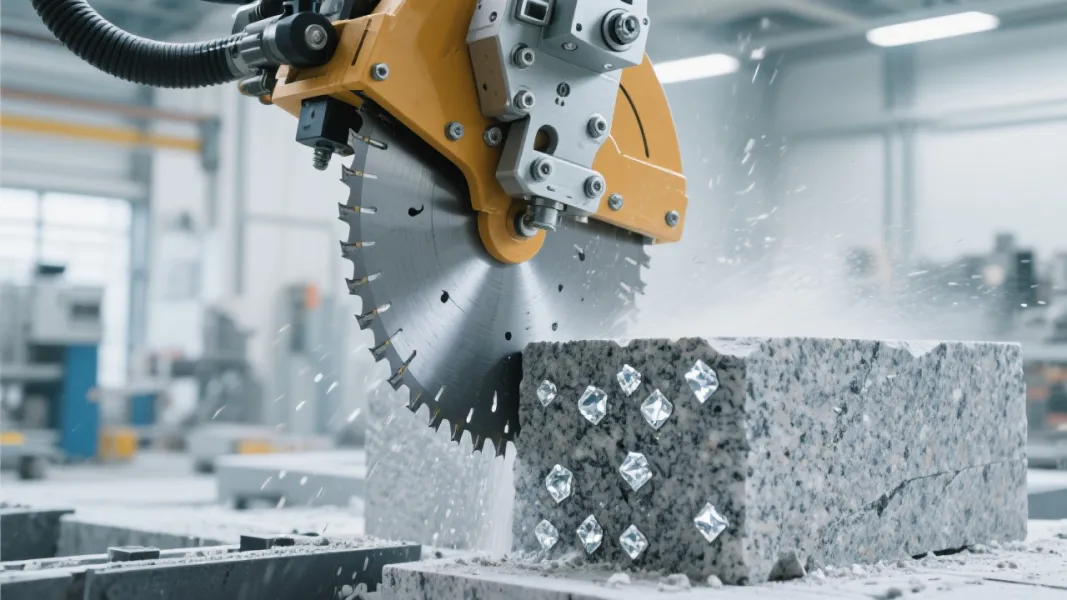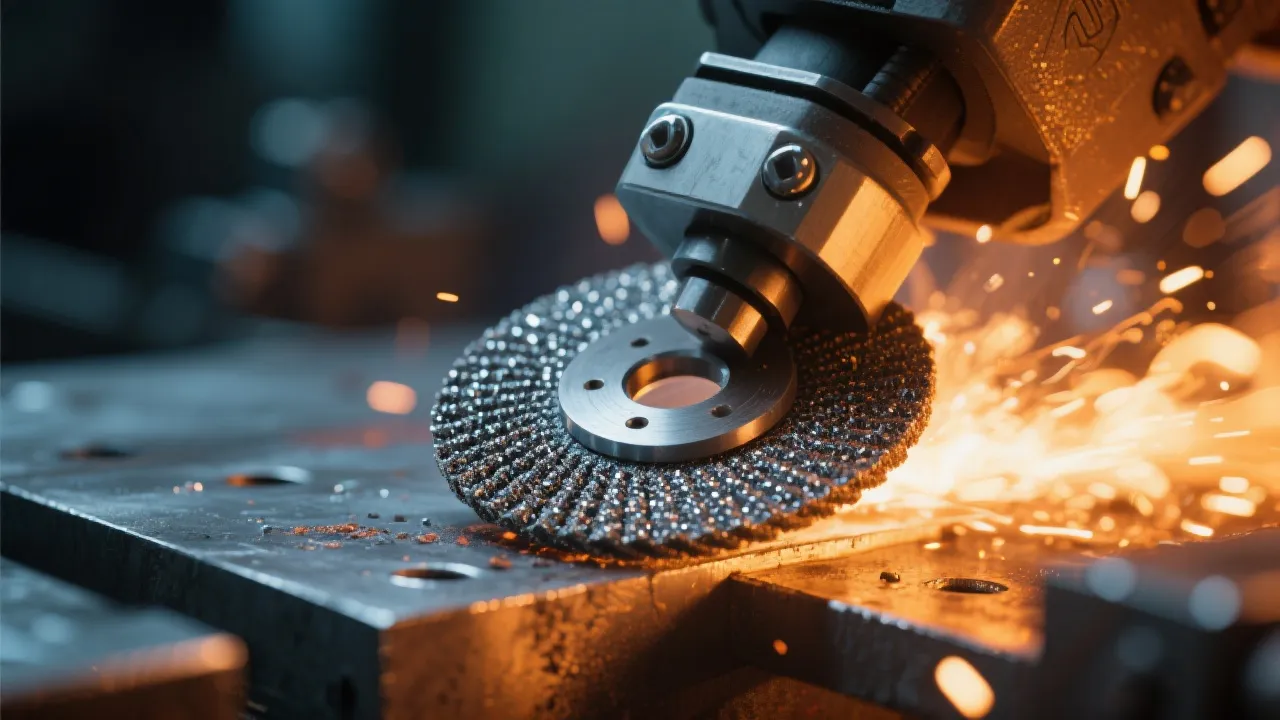
Diamond saw blades are essential tools in the industrial cutting arena, prized for their unmatched hardness and precision. However, even the most advanced blades experience common failures like heat damage, particle detachment, and eccentric wear, which significantly reduce their lifespan and cutting efficiency. This article explores these issues from a material science perspective and operational context, offering scientifically backed diagnosis methods and practical maintenance strategies designed to extend blade longevity, enhance cutting performance, and ensure safer, cost-effective operations for professionals.
The principal faults impacting diamond saw blades can be grouped as follows:
Detailed analysis has shown that thermal damage accounts for nearly 40% of blade failures in dry cutting applications, while particle detachment is more prevalent where abrasive materials and poor bonding coexist. Recognizing these failure modes early is critical to maintaining operational efficiency.
Inspection routines paired with diagnostic tools enable early failure detection:
Incorporating technology such as thermal imaging and vibration analysis enhances reliability in fault prediction and reduces unexpected downtime. According to recent industry reports, adhering to these diagnostic regimens can reduce blade failure rates by up to 25% annually.
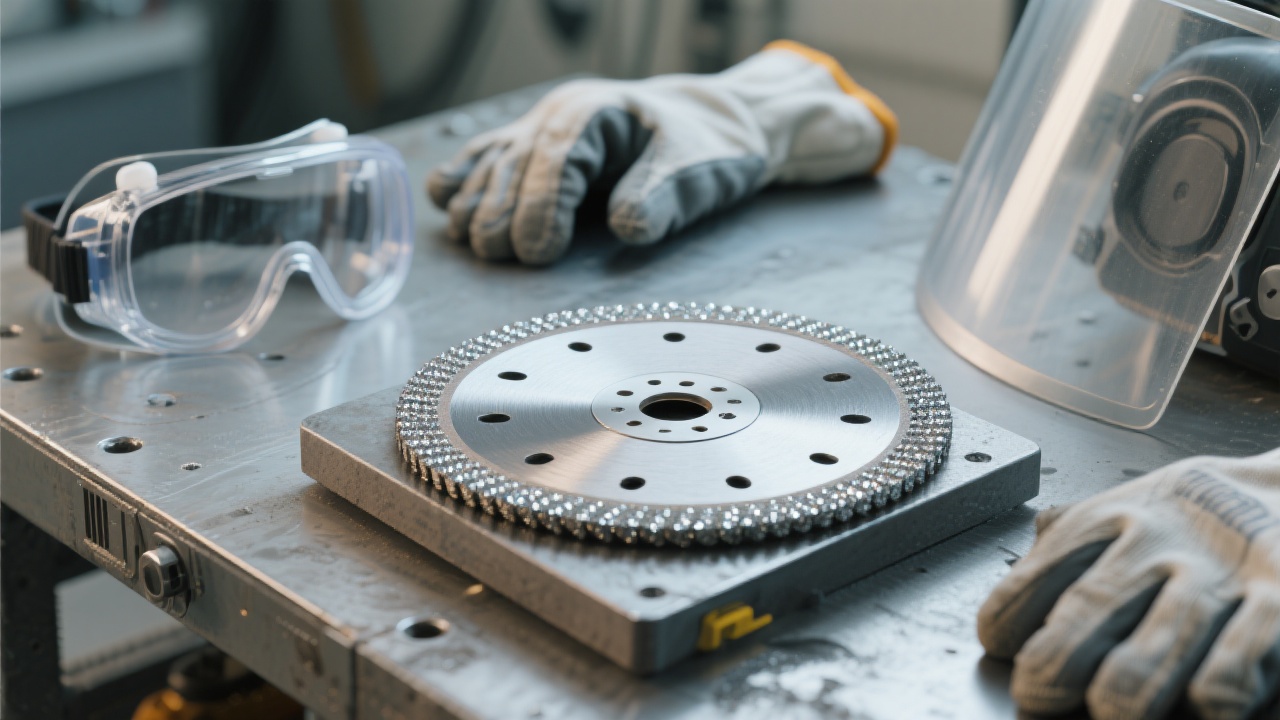
Prevention is more cost-effective than reactive repair. The following procedures form the cornerstone of a robust diamond saw blade maintenance system:
An effective maintenance schedule, supported by operator training and strict adherence to manufacturer guidelines, can increase blade lifespan by 30% or more, directly impacting overall industrial productivity.
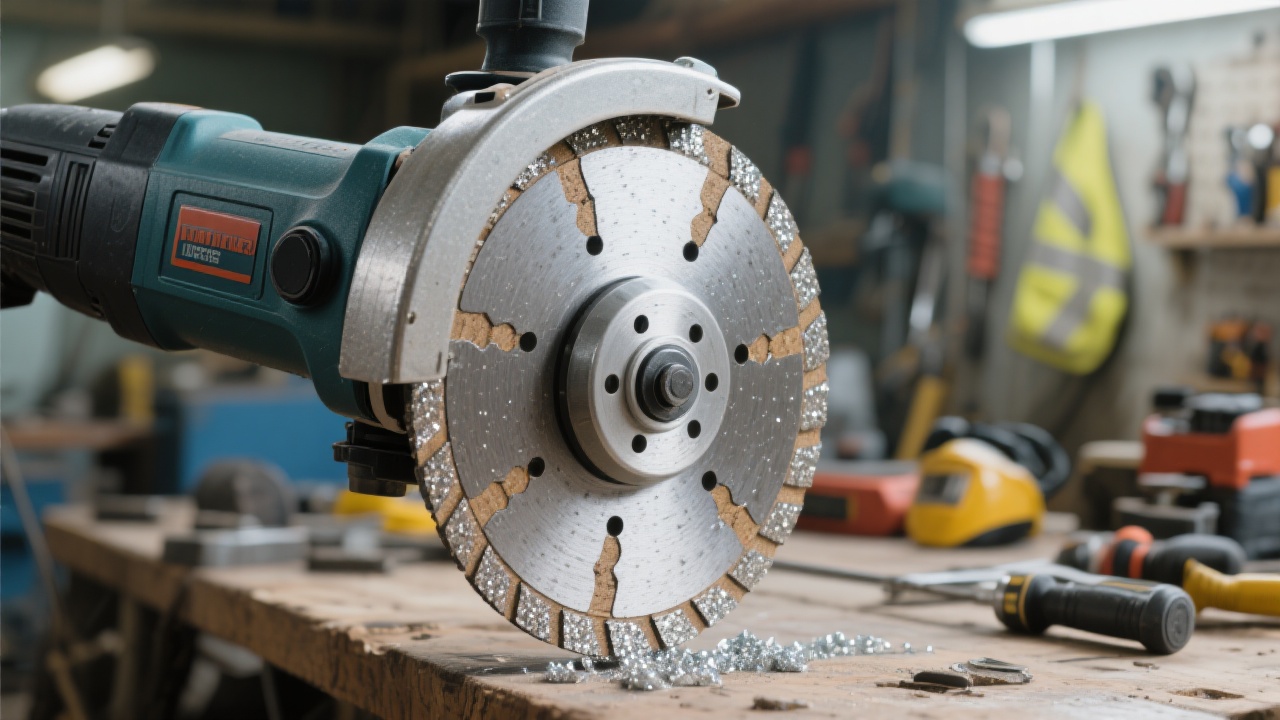
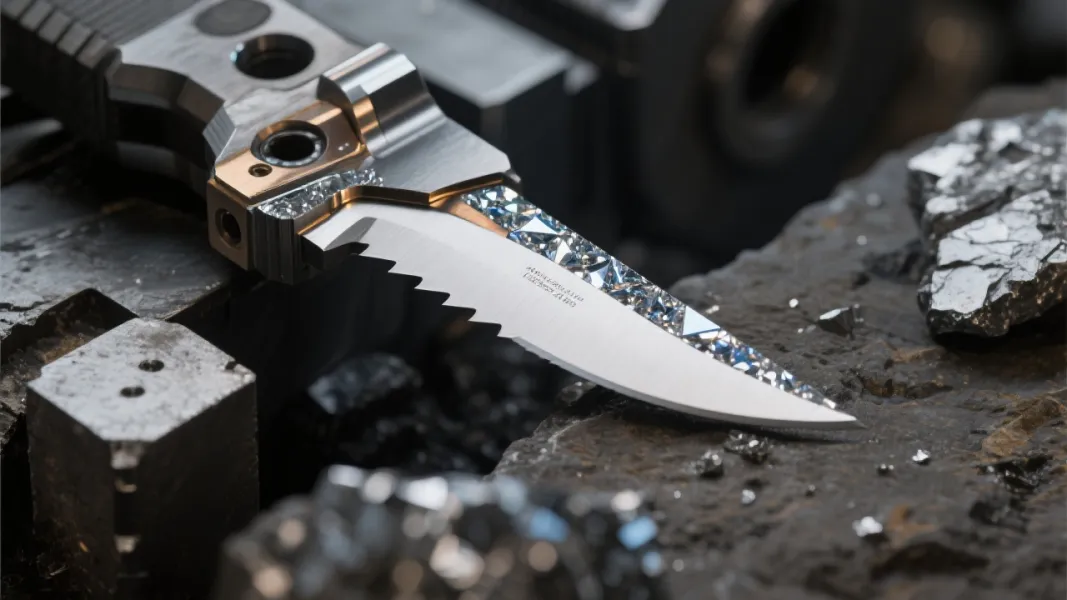
The key to understanding failure causes lies in the diamond blade’s composite structure—diamond grains embedded in a metal bond matrix. Heat generated by friction degrades the bond, while mechanical stresses cause grain detachment. Blades designed with optimized bond hardness and diamond crystal size tailored to the application can resist these effects better.
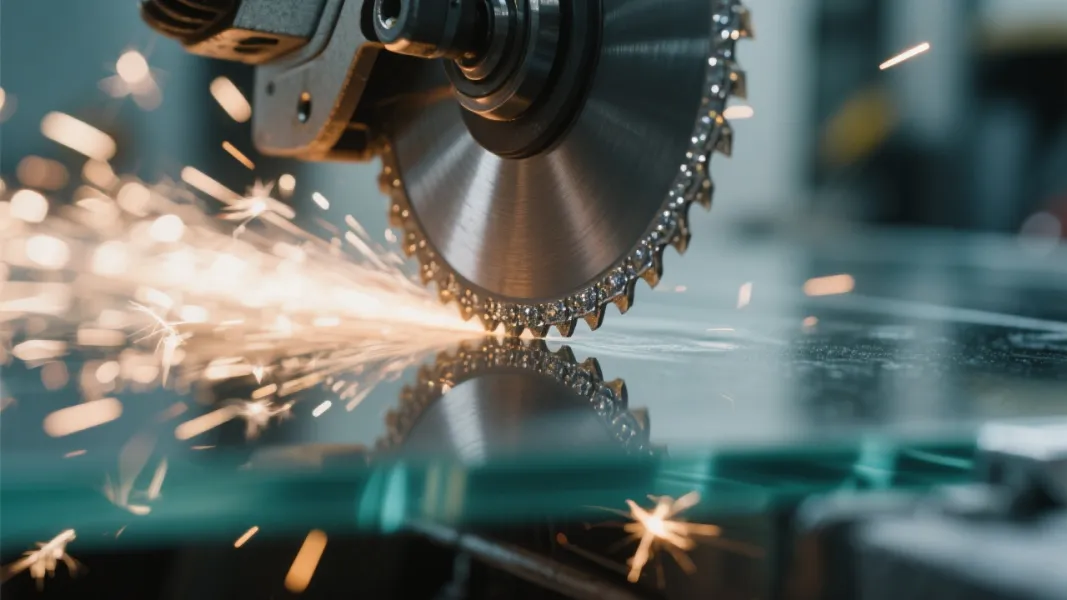
Additionally, choosing between wet and dry cutting environments affects thermal load. Wet cutting, while requiring water supply management, dramatically reduces heat, limiting thermal cracks and grain loss. Meanwhile, dry cutting demands intermittent operation and enhanced cooling periods.
Operational best practices include monitoring cutting pressures and feed rates to avoid overload conditions. Personalized maintenance aligned with these scientific principles translates directly into measurable performance gains.
Integrated blade management systems involve:
UHD’s commitment to technological innovation ensures that its diamond saw blades come with tailored technical support and warranty services that facilitate the adoption of these advanced practices, helping customers optimize asset utilization while minimizing operational risks.
 410
|
410
|
 diamond saw blade replacement standards
blade aging detection
saw blade maintenance tips
diamond blade failure diagnosis
extending saw blade life
diamond saw blade replacement standards
blade aging detection
saw blade maintenance tips
diamond blade failure diagnosis
extending saw blade life
 297
|
CE certification
industrial saw blades
brazed diamond saw blades
reinforced brazing technology
heat dissipation design
297
|
CE certification
industrial saw blades
brazed diamond saw blades
reinforced brazing technology
heat dissipation design
 423
|
400mm brazed diamond saw blade
enhanced bonding brazing technology
concrete cutting blade
granite and marble cutting
heat dissipation and vibration reduction
423
|
400mm brazed diamond saw blade
enhanced bonding brazing technology
concrete cutting blade
granite and marble cutting
heat dissipation and vibration reduction
 301
|
tile cutting mistakes
marble cutting tips
brazed diamond blade
prevent tile edge chipping
slow stable feed cutting
301
|
tile cutting mistakes
marble cutting tips
brazed diamond blade
prevent tile edge chipping
slow stable feed cutting
 456
|
brazed diamond saw blade
400mm diamond blade
diamond blade heat dissipation
hard material cutting tools
industrial saw blade customization
456
|
brazed diamond saw blade
400mm diamond blade
diamond blade heat dissipation
hard material cutting tools
industrial saw blade customization






.png?x-oss-process=image/resize,h_600,m_lfit/format,webp)