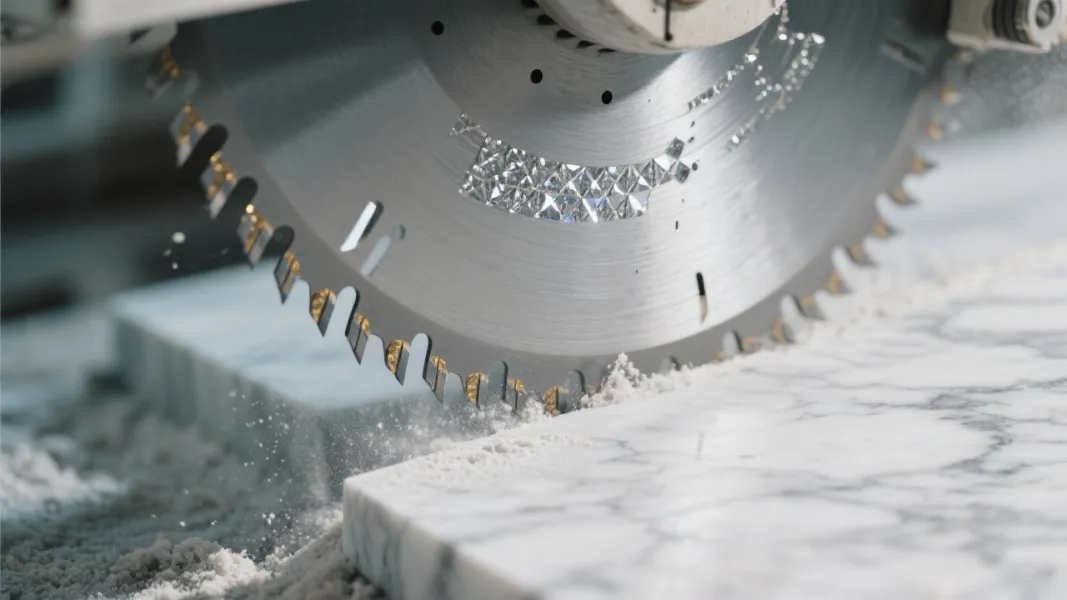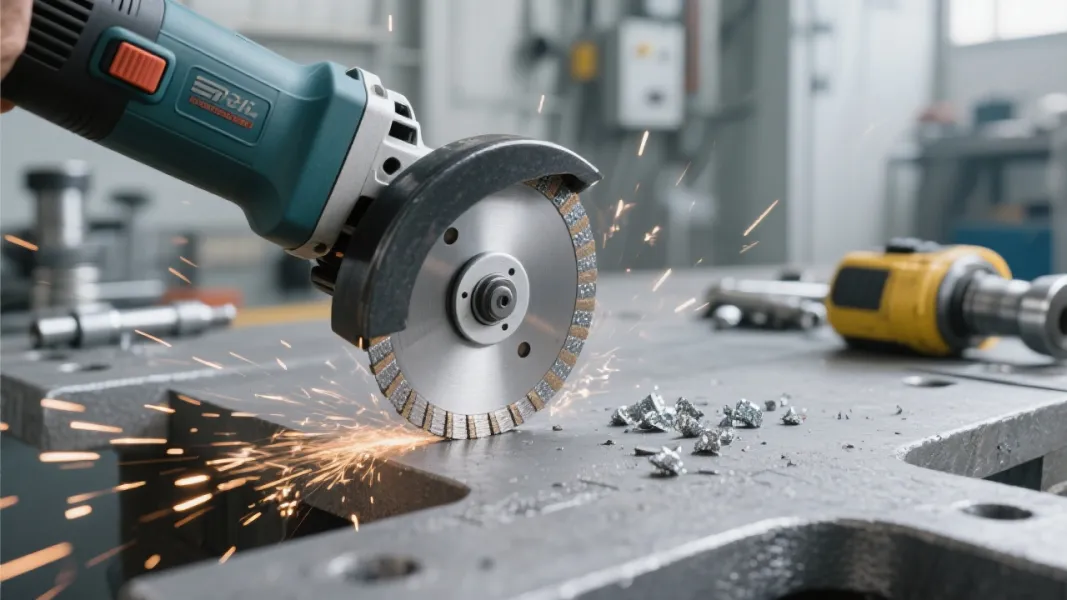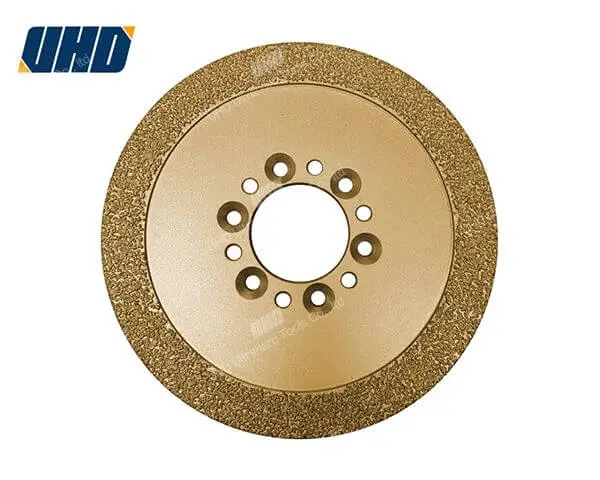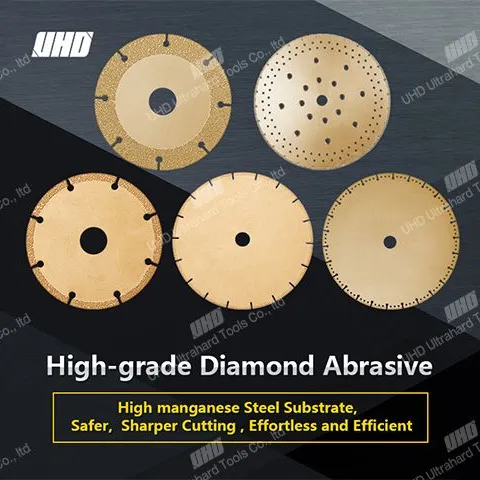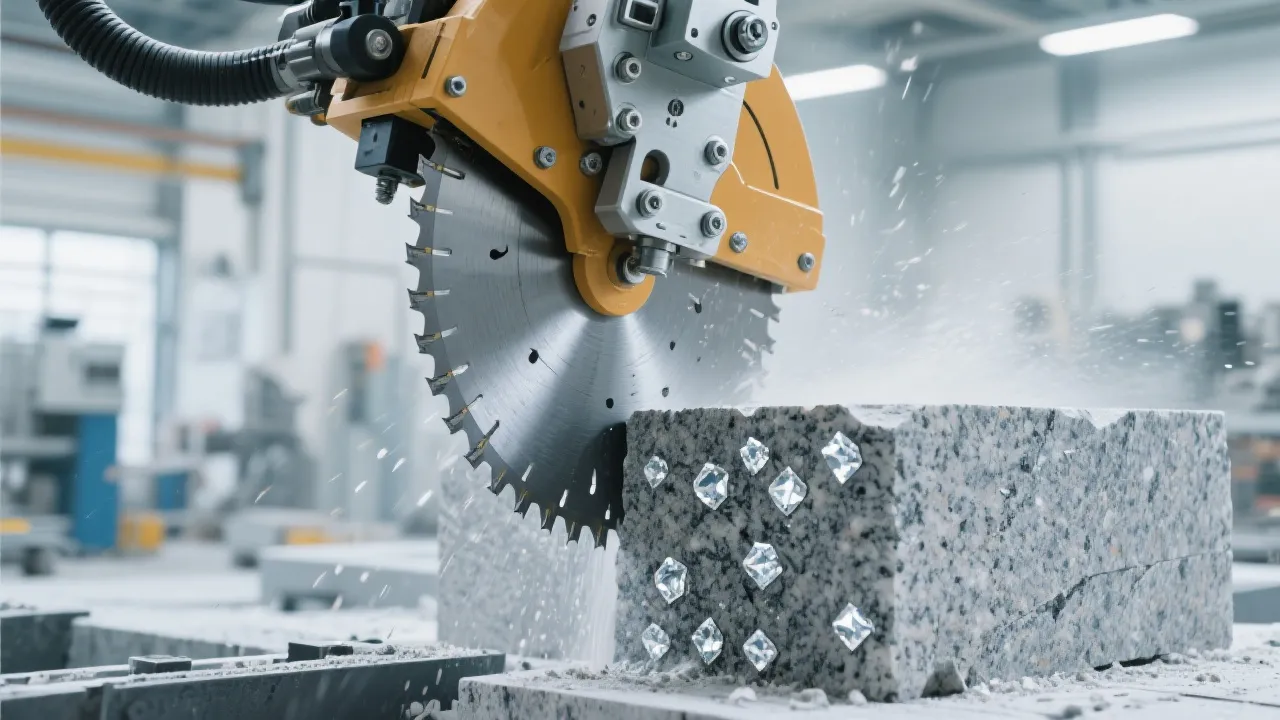
Selecting the right diamond blade plays a pivotal role in optimizing both the efficiency and lifespan of granite cutting operations within the industrial stone processing sector. UHD, a leader in advanced cutting tools, presents an in-depth analysis designed to assist procurement managers, machine operators, and technical engineers in making data-driven decisions to elevate productivity while balancing cost and performance.
Granite, known for its hardness and density, demands cutting tools with exceptional durability and precision. The evolution of diamond blades reflects a combination of technological innovation and multi-functionality, aiming to reduce downtime and increase cutting speed without compromising on finish quality. Current trends emphasize blades with enhanced wear resistance, improved segment bonding through superior brazing techniques, and eco-friendly production materials compliant with ISO 9001 quality management standards.
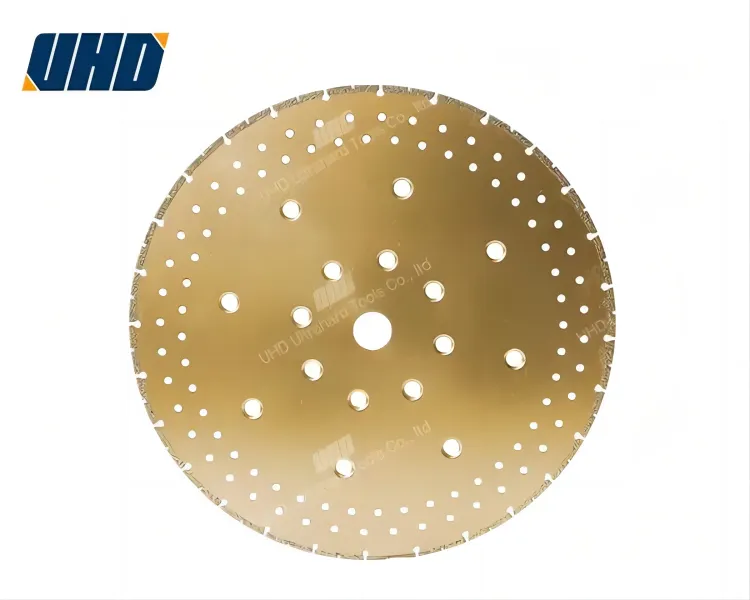
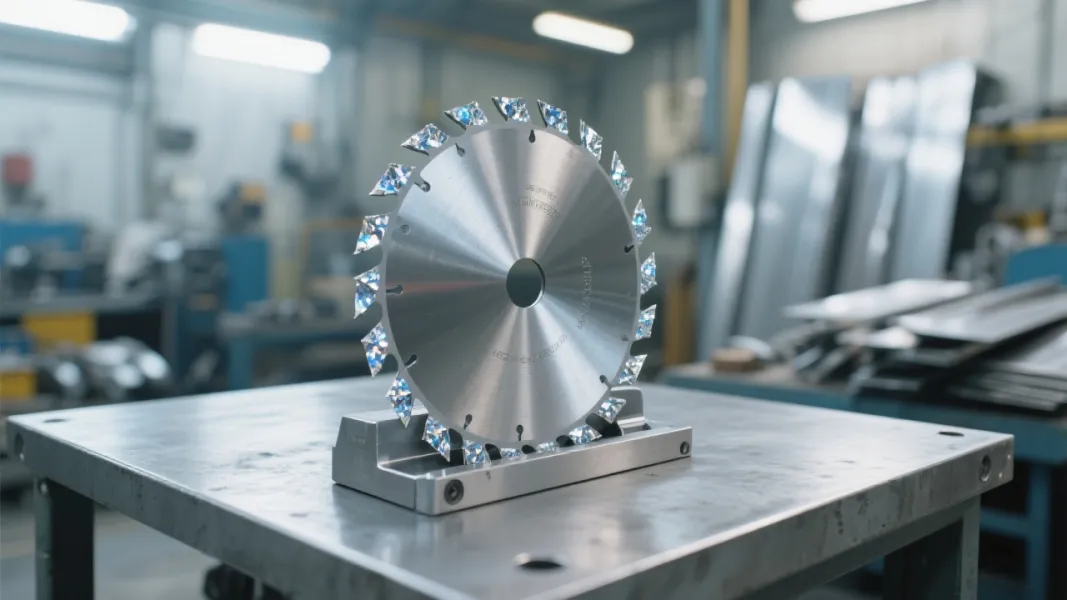
Performance characteristics such as blade diameter, diamond grain quality, bond hardness, and segment design directly correlate to cutting throughput and blade longevity. For granite, larger blade diameters (≥350 mm) facilitate deeper cuts, whereas optimal diamond grit sizes (typically between 30/40 mesh) ensure efficient abrasion without excessive wear. The segment structure, whether continuous rim or turbo, affects cooling and dust evacuation—critical factors in maintaining operational safety and reducing blade overheating.
| Blade Parameter | Optimal Range for Granite Cutting | Impact on Performance |
|---|---|---|
| Diameter | 350 – 600 mm | Enables deeper, faster cuts with appropriate machinery |
| Diamond Grit Size | 30/40 mesh | Balances cutting speed and blade durability |
| Bond Hardness | Medium to hard | Resists abrasive wear and prolongs service life |
| Segment Type | Turbo or segmented rim | Enhances cooling and dust removal |
Adherence to the ISO 9001 quality management system is no longer optional but essential for manufacturers of diamond blades targeting global markets. This certification guarantees process consistency, traceability, and rigorous quality control—all contributing to reliable product performance. UHD integrates this standard into its operations, ensuring clients receive blades validated for both safety and longevity.
Differentiated approaches are necessary when tailoring blade recommendations:
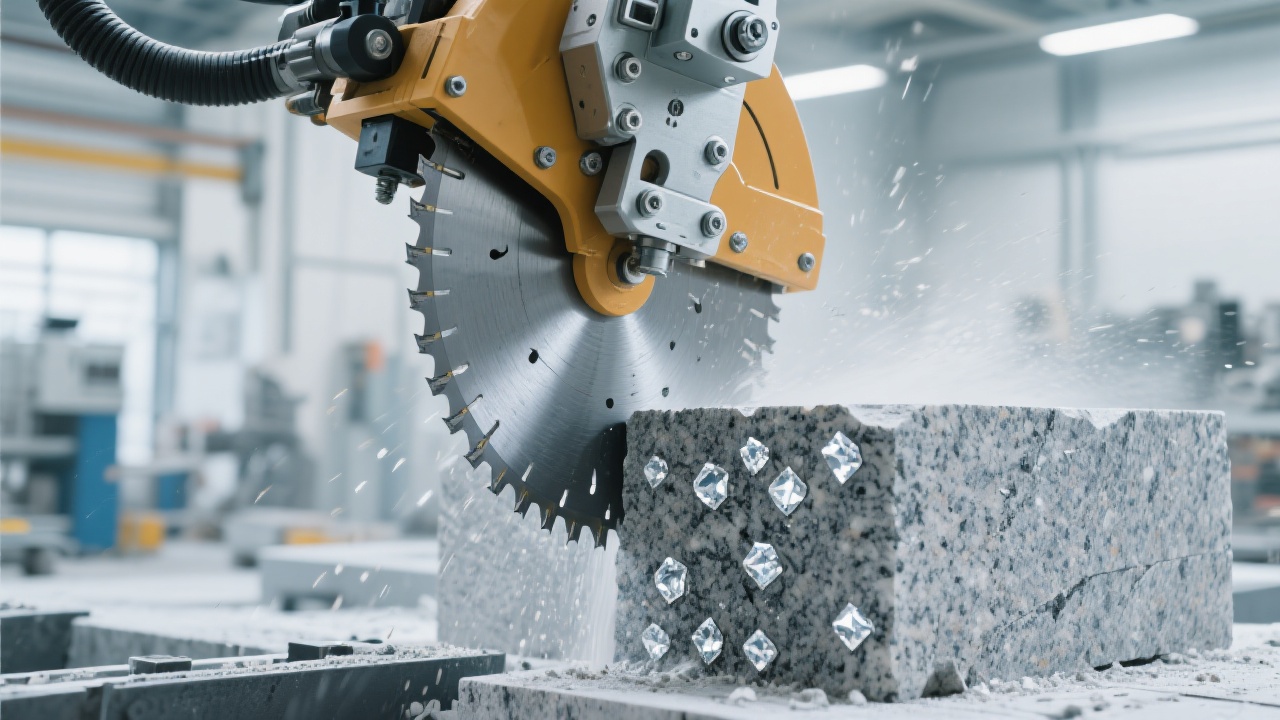
Overlooking critical parameters or choosing cheaper, uncertified blades often leads to premature wear, damage to cutting machines, and suboptimal surface finishes. Emphasizing verified test data and real-world case studies can mitigate such risks. A recent UHD client report indicated a 15% increase in production efficiency and a 20% reduction in blade replacement frequency after switching to ISO 9001 certified UHD blades with optimized brazing technology.
Implementing blades with advanced cooling channels and segment design not only extends blade life but also reduces thermal damage and operator fatigue. Coupled with comprehensive training on safe blade mounting and operation protocols, these technical measures contribute substantially to workplace safety and operational continuity.
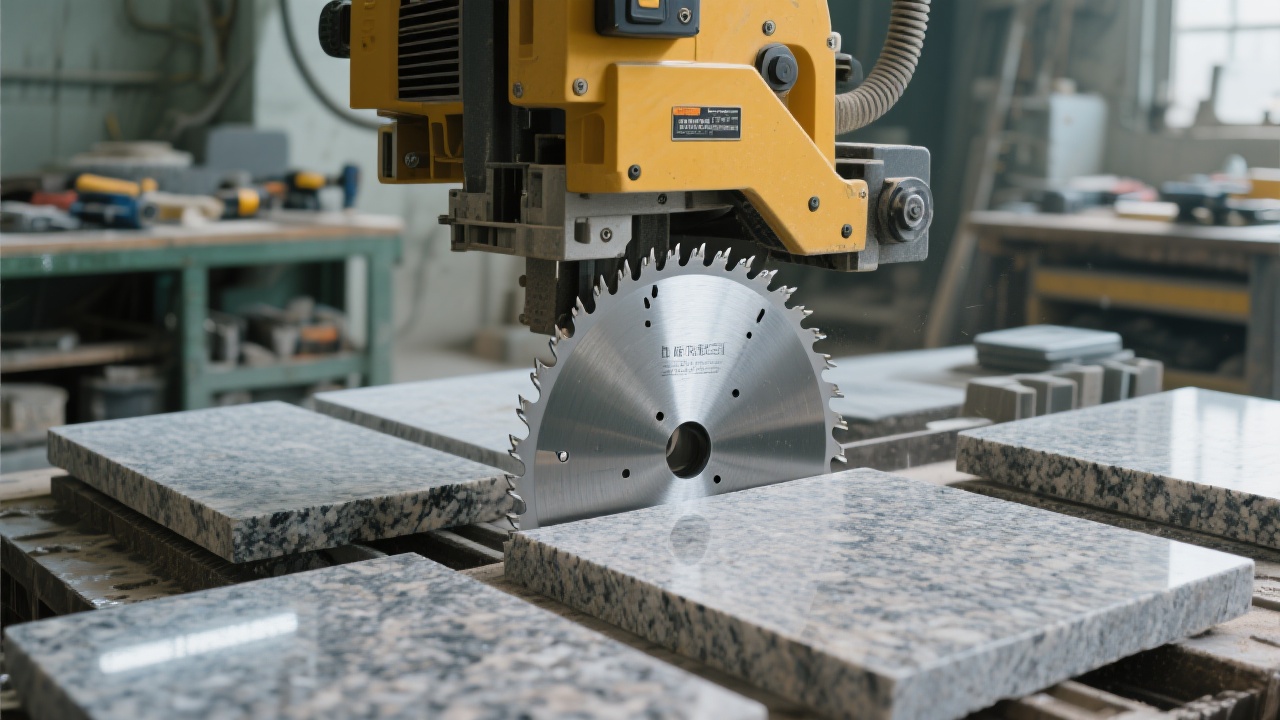
UHD recommends the following checklist for granite diamond blade selection:
For detailed answers to common inquiries such as “What is the ideal RPM for granite cutting blades?” or “How does brazing quality impact blade durability?”, UHD’s technical support team is readily accessible to provide expert guidance and tailored recommendations.
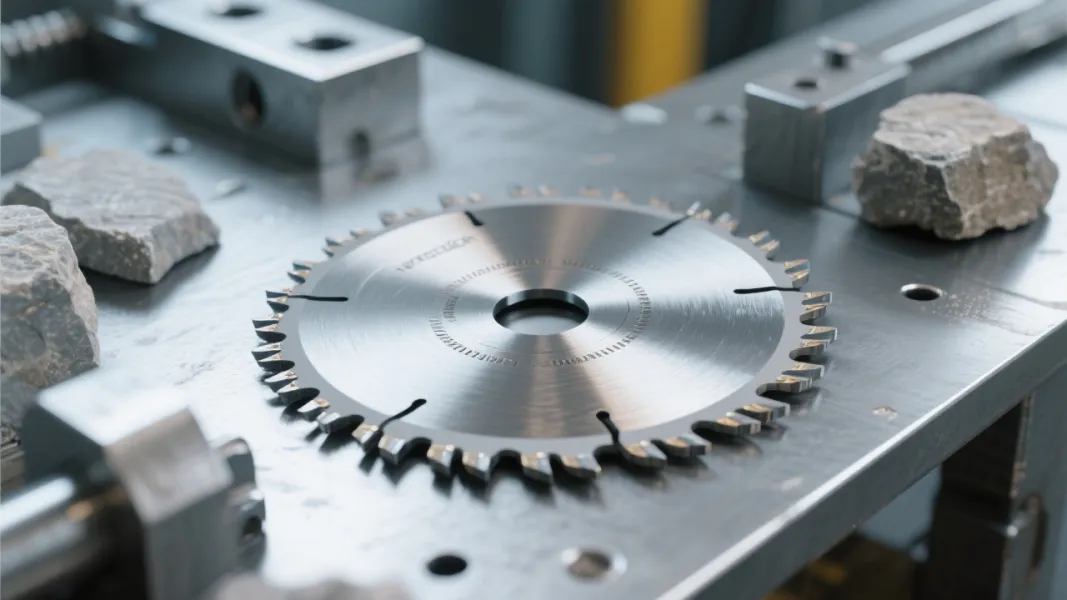
 411
|
411
|
 400mm
brazed
diamond
blade
hard
material
cutting
technology
granite
cutting
blade
wet
and
dry
diamond
saw
blade
UHD
diamond
blade
service
400mm
brazed
diamond
blade
hard
material
cutting
technology
granite
cutting
blade
wet
and
dry
diamond
saw
blade
UHD
diamond
blade
service
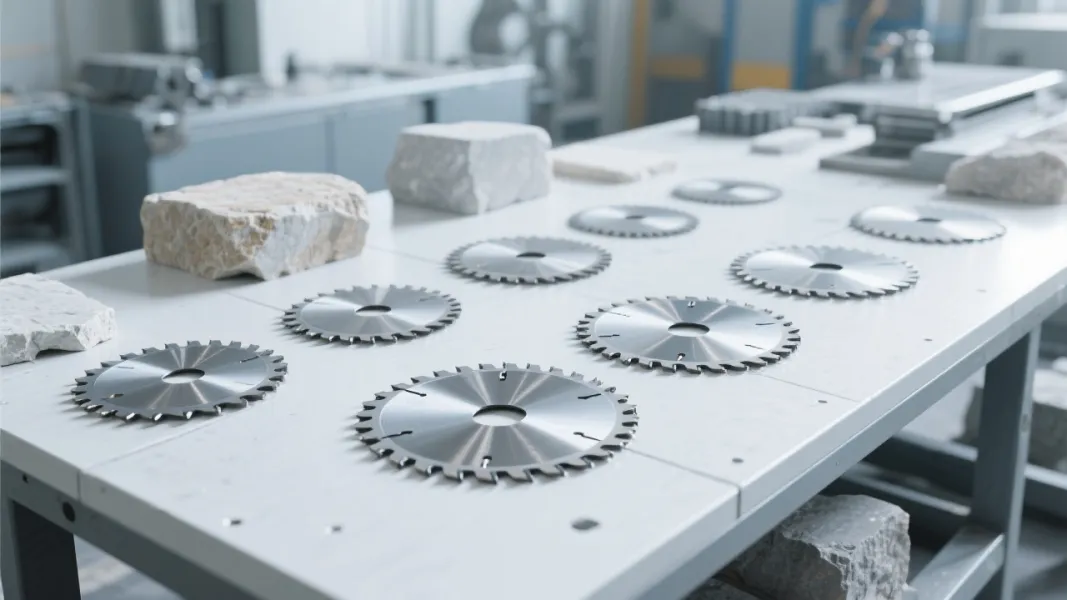 89
|
diamond blade runout
400H brazed diamond blade maintenance
blade troubleshooting
blade installation calibration
vibration monitoring of diamond blades
89
|
diamond blade runout
400H brazed diamond blade maintenance
blade troubleshooting
blade installation calibration
vibration monitoring of diamond blades
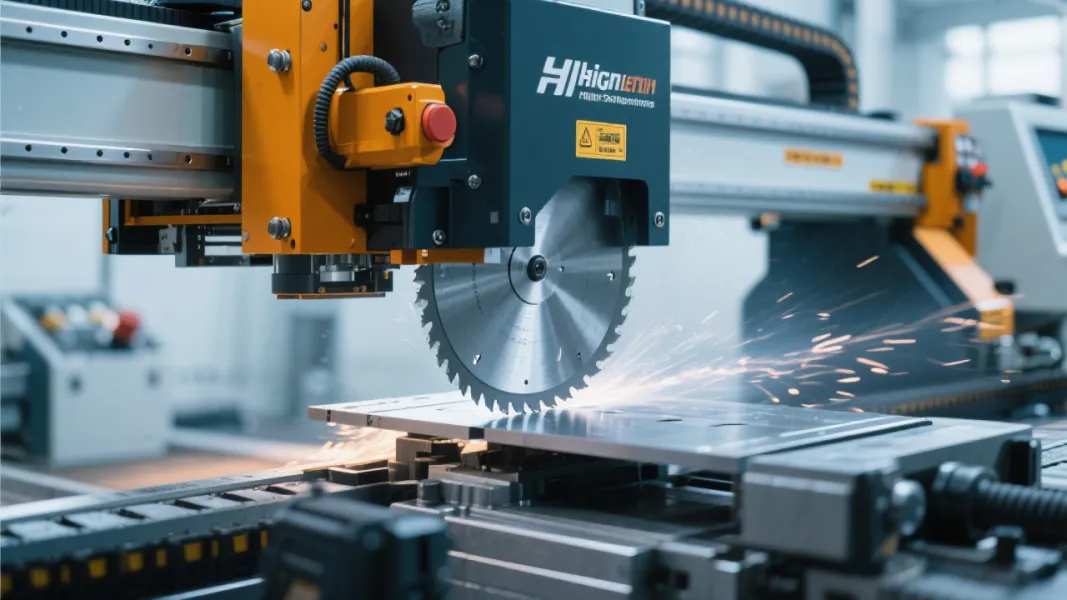 465
|
400mm brazed diamond saw blade
diamond saw blade efficiency
hard material cutting tools
saw blade heat dissipation
industrial cutting solutions
465
|
400mm brazed diamond saw blade
diamond saw blade efficiency
hard material cutting tools
saw blade heat dissipation
industrial cutting solutions
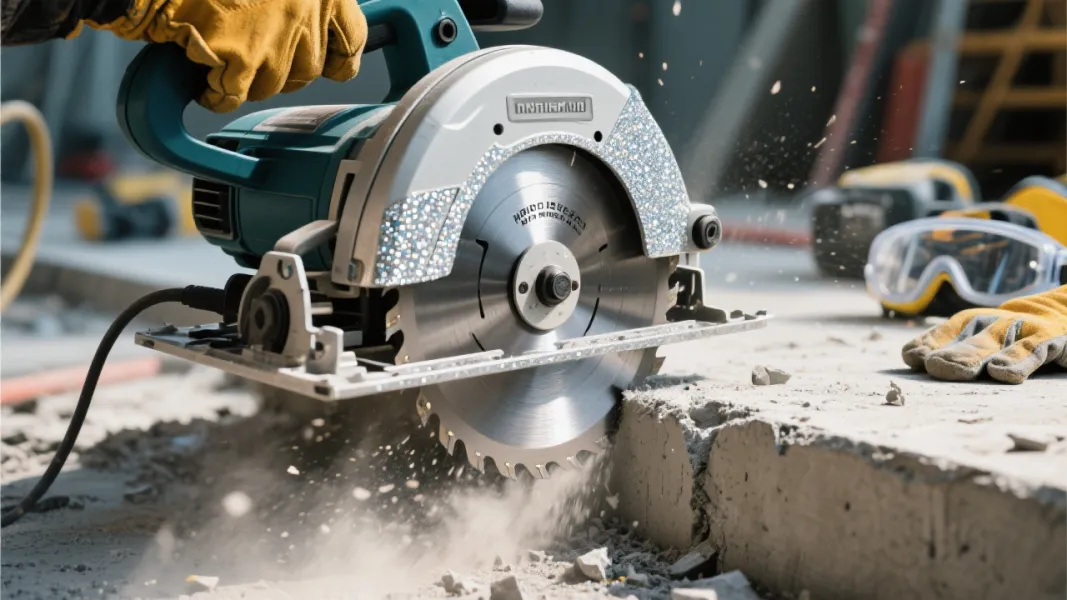 486
|
diamond saw blade replacement standard
kerf width judgment
saw blade maintenance
saw blade fault diagnosis
industrial cutting tool care
486
|
diamond saw blade replacement standard
kerf width judgment
saw blade maintenance
saw blade fault diagnosis
industrial cutting tool care
 395
|
hard material cutting efficiency
diamond blade speed settings
feed rate optimization
heat dissipation design
vibration reduction technology
395
|
hard material cutting efficiency
diamond blade speed settings
feed rate optimization
heat dissipation design
vibration reduction technology