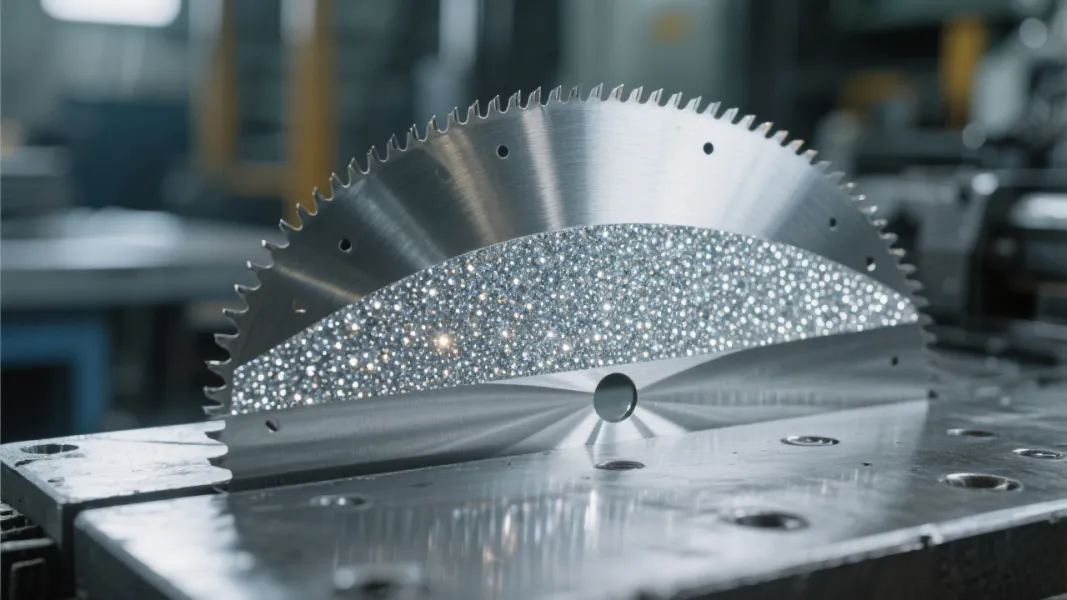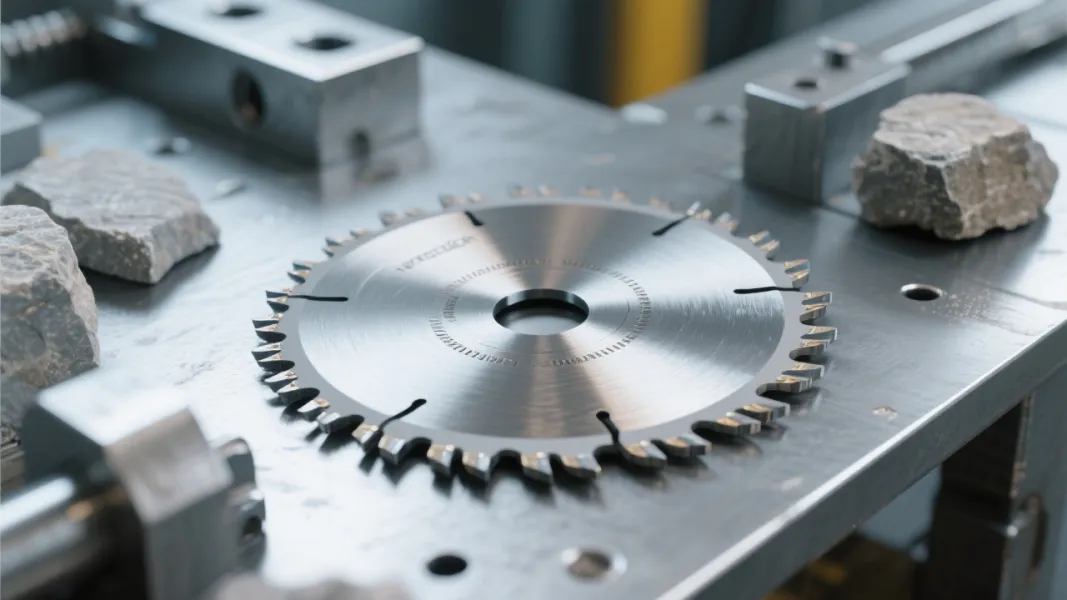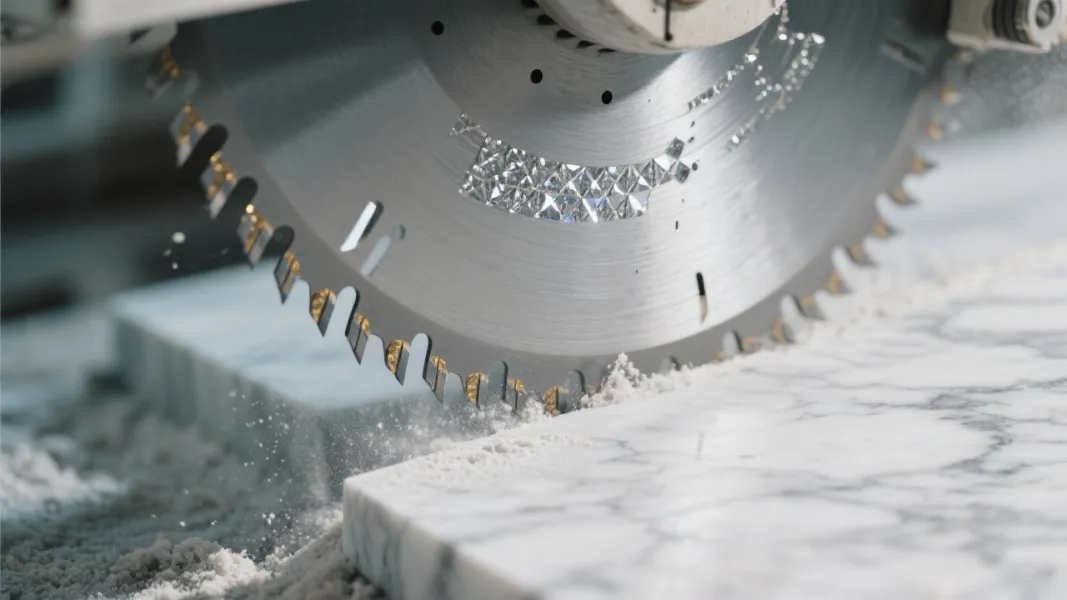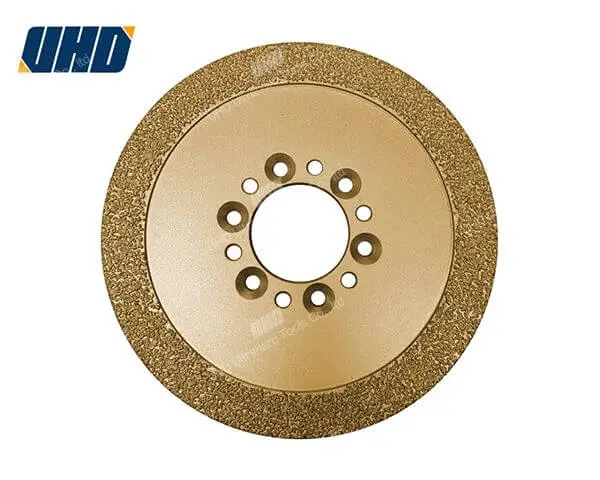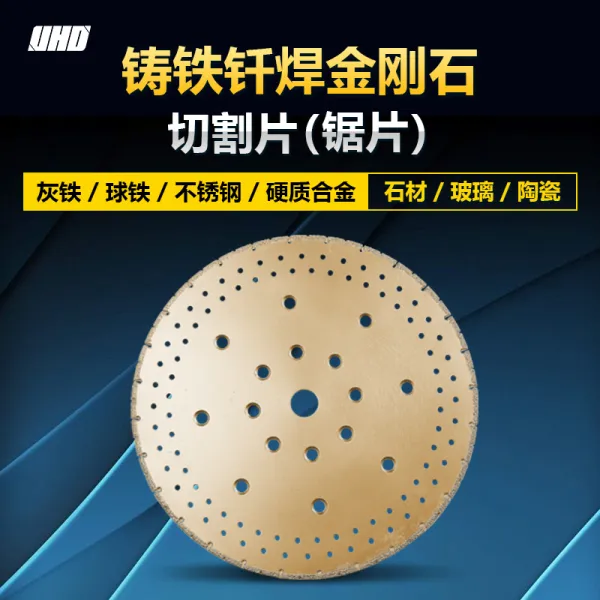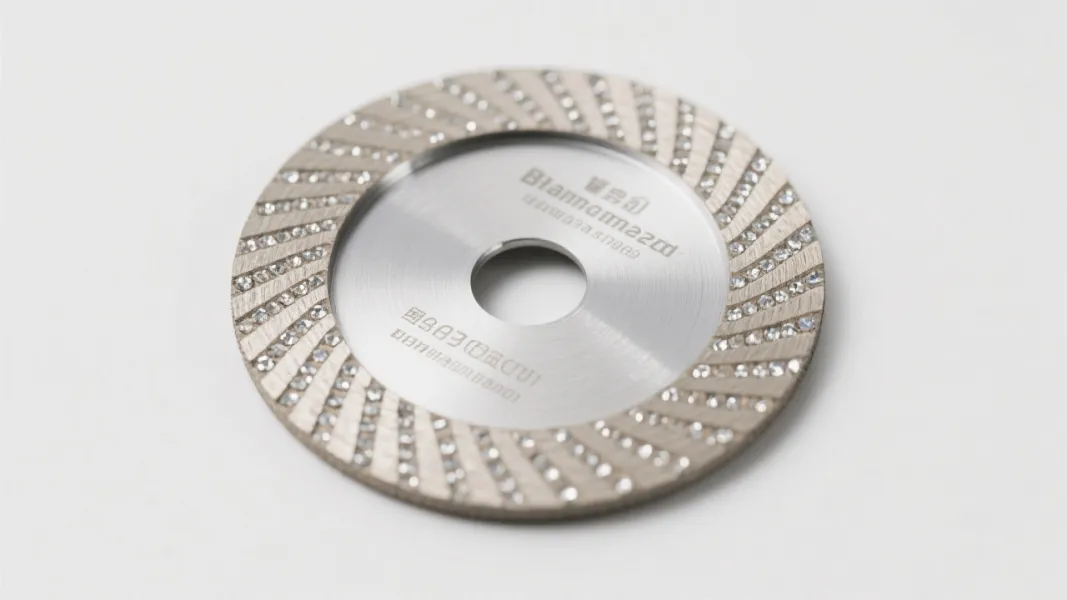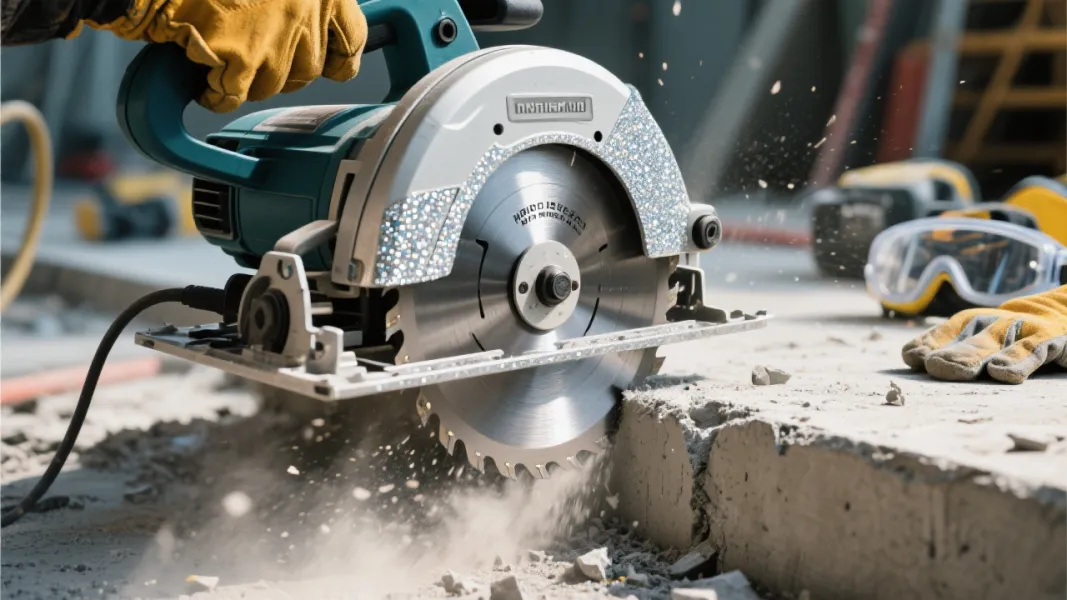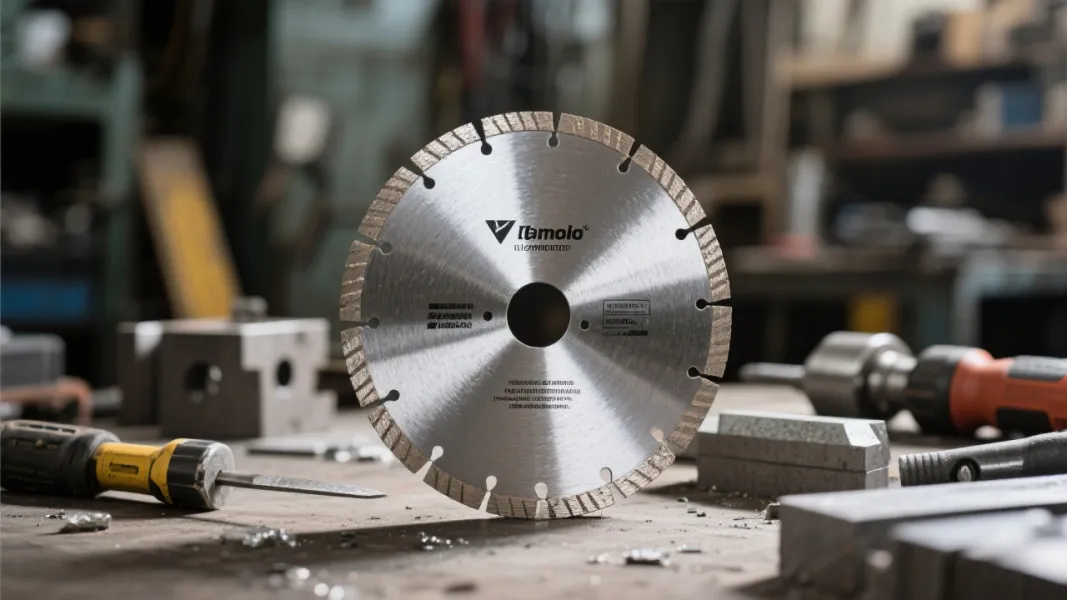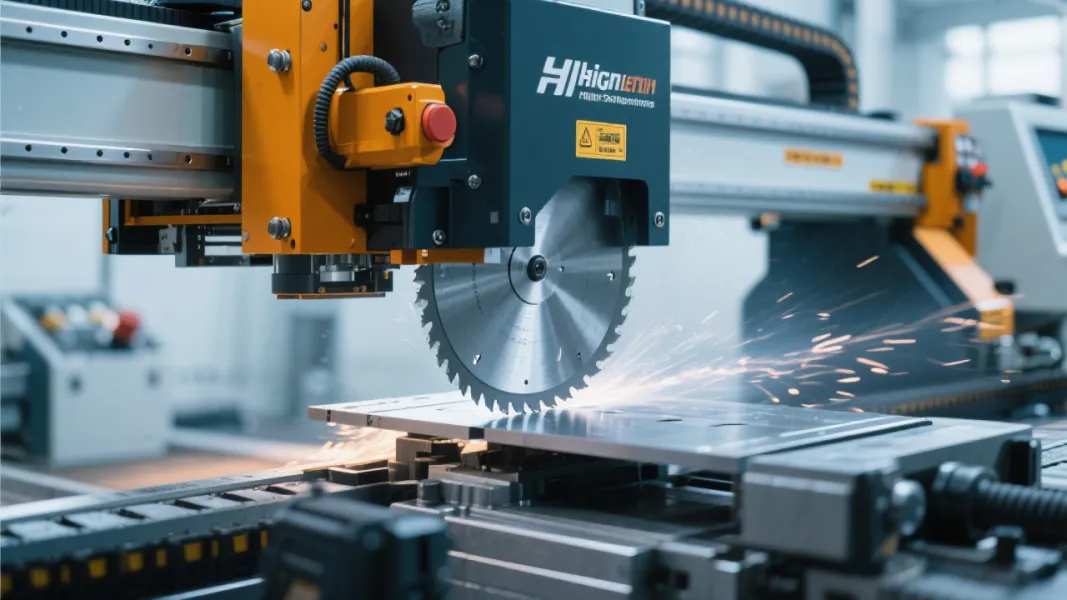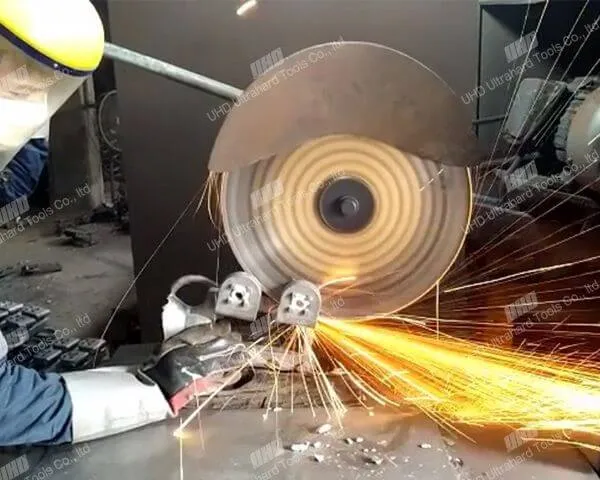
When working with UHD 400H welded diamond saw blades, a common challenge faced by operators and equipment managers is the issue of blade runout — the abnormal vibration or "jumping" during cutting. This instability not only compromises cut quality but can also lead to unexpected downtime of your export machinery. Here, we dive into practical causes and fast troubleshooting steps to help you diagnose and mitigate these problems efficiently.
Runout occurs when the blade does not rotate evenly on its axis, resulting in uneven cutting and vibrations. For UHD’s 400H model, the primary root causes typically include:
Follow this methodical approach to identify the disruption quickly and take corrective action:
| Maintenance Activity | Frequency | Notes |
|---|---|---|
| Cleaning blade and arbor | Before every use | Prevents debris buildup and imbalance |
| Check blade flatness | Weekly or after impacts | Replace if deformation > 0.3 mm |
| Inspect segment wear | After each cutting shift | Uneven or broken segments cause vibration |
| Vibration monitoring | Monthly or after maintenance | Detect early imbalance trends |
Installing the blade correctly is critical. Always ensure the shaft and mounting surfaces are clean and free from rust or burrs. Use the proper tightening torque—generally between 15 to 20 Nm—to avoid warping the blade or causing slippage.
Regarding storage, keep the saw blades in a dry, temperature-controlled environment to prevent corrosion or distortion. Avoid stacking blades directly on one another without protective separators. Proper handling safeguards your blade’s structural integrity and reduces runout risk.
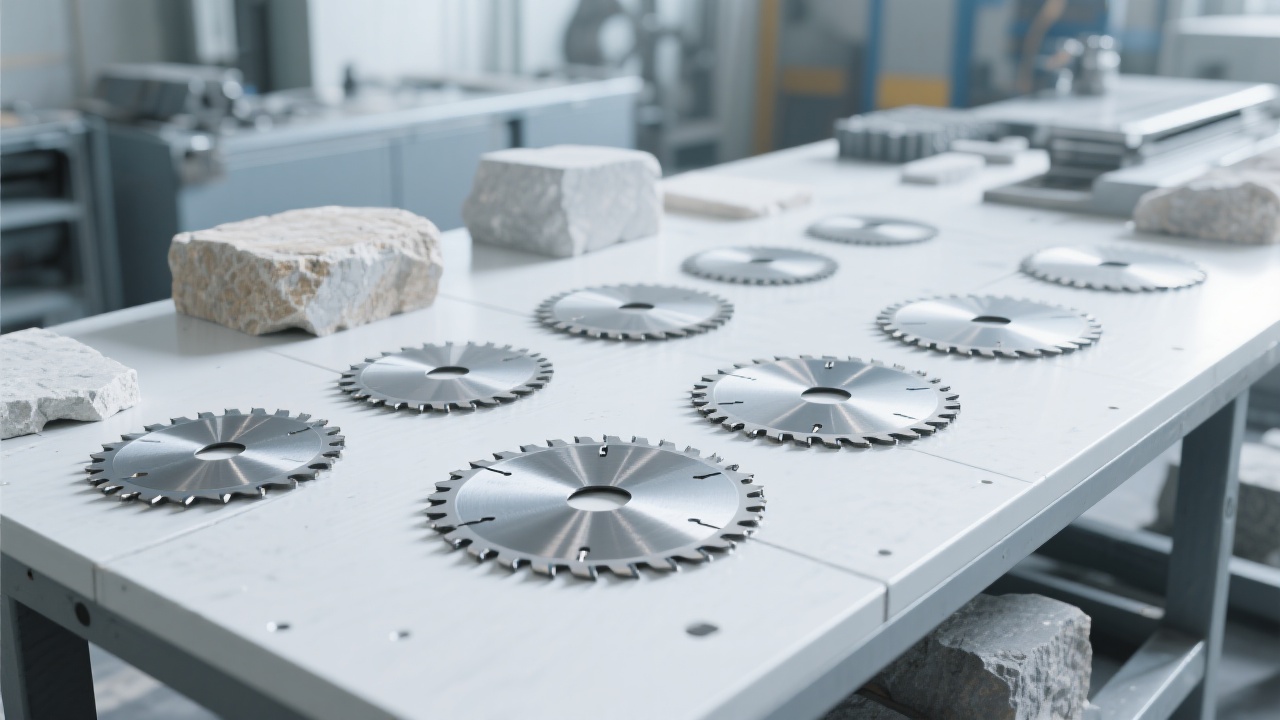
Advanced operations incorporate regular vibration checks using handheld sensors calibrated to detect irregularities beyond safe operational levels. By tracking vibration signatures correlating with blade condition, you can preemptively schedule blade replacement or maintenance, avoiding unscheduled machine stops.
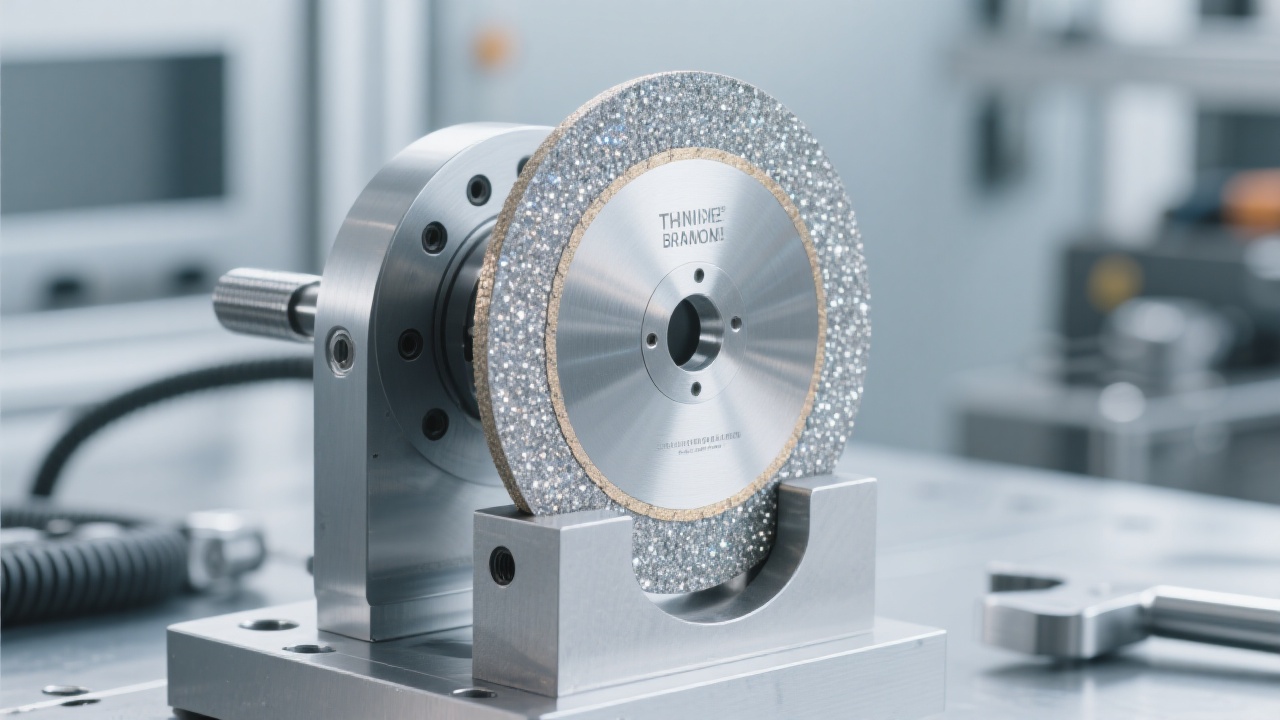
Uneven wear of the diamond segments can be subtle but leads to serious cutting instability. Use a caliper to measure segment height after each cutting cycle. Consistent differences larger than 0.2 mm among segments indicate premature wear or damage demanding immediate attention.
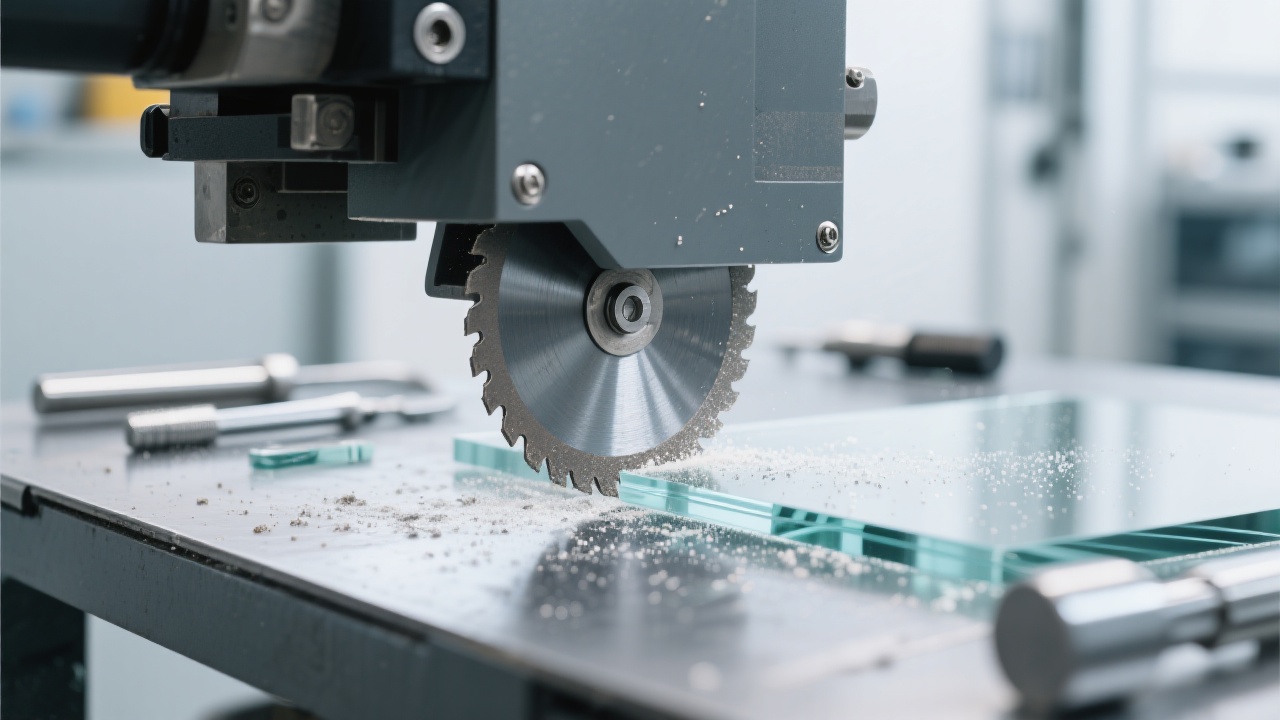
Streamline your equipment care routine with our detailed guide—designed to extend blade life and secure machine uptime.

 233
|
233
|
 brazed diamond blade
cutting efficiency
diamond saw blade
complex material cutting
industrial cutting tools
brazed diamond blade
cutting efficiency
diamond saw blade
complex material cutting
industrial cutting tools
 381
|
tile cutting techniques
marble cutting process
diamond blade selection
hard material cutting errors
professional stone cutting tools
381
|
tile cutting techniques
marble cutting process
diamond blade selection
hard material cutting errors
professional stone cutting tools
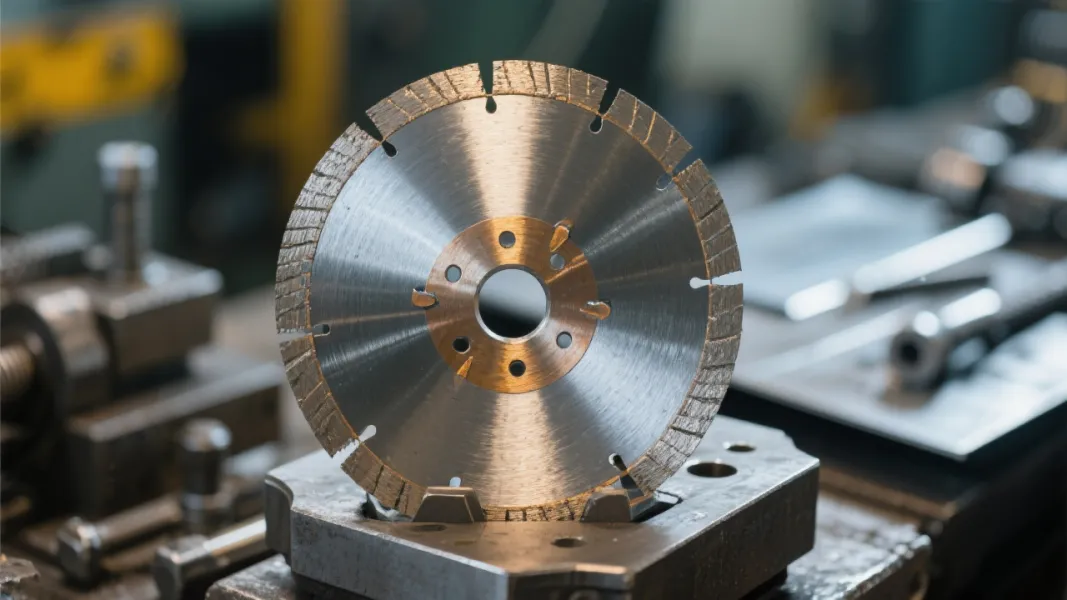 423
|
400mm brazed diamond saw blade
enhanced bonding brazing technology
concrete cutting blade
granite and marble cutting
heat dissipation and vibration reduction
423
|
400mm brazed diamond saw blade
enhanced bonding brazing technology
concrete cutting blade
granite and marble cutting
heat dissipation and vibration reduction
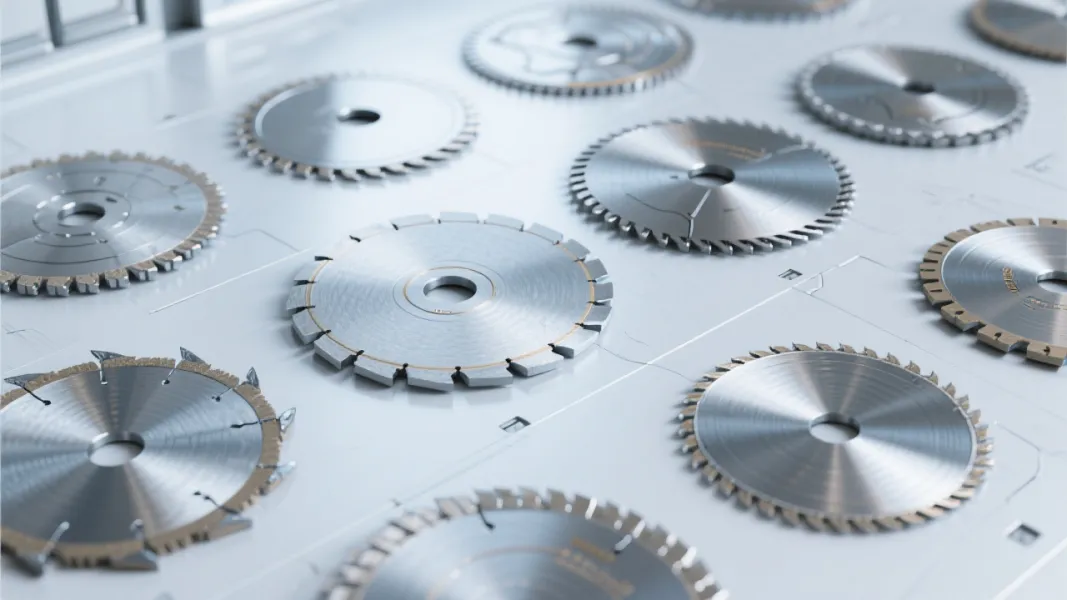 391
|
400H brazed diamond saw blade
high-performance diamond saw blade
brazed diamond blade for concrete cutting
industrial diamond tools
diamond blade durability
214
|
brazed diamond saw blade
diamond cutting tool
high-efficiency cutting
wear-resistant blade
complex material machining
391
|
400H brazed diamond saw blade
high-performance diamond saw blade
brazed diamond blade for concrete cutting
industrial diamond tools
diamond blade durability
214
|
brazed diamond saw blade
diamond cutting tool
high-efficiency cutting
wear-resistant blade
complex material machining