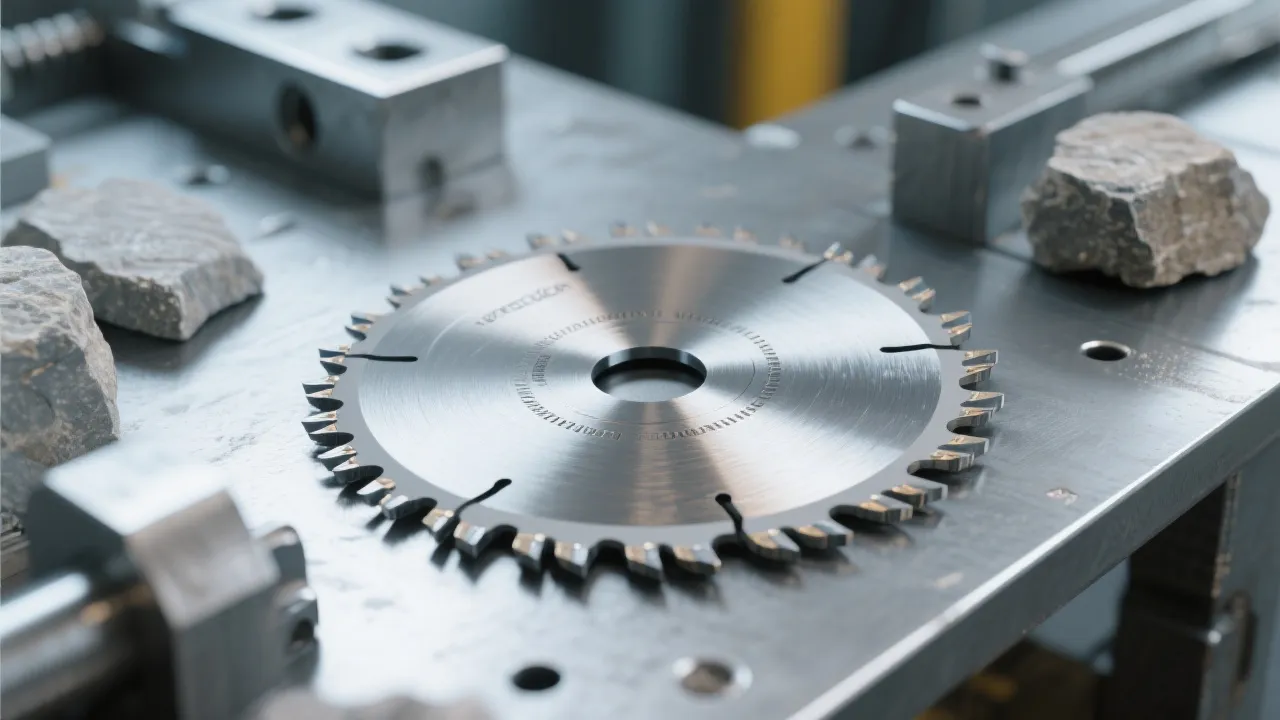
In the challenging realm of granite stone processing, selecting the appropriate diamond blade can make the difference between peak productivity and costly inefficiencies. UHD’s latest insights dissect the critical factors buyers must consider to optimize cutting efficiency while minimizing blade wear and operational risks.
Granite processing demands precision, durability, and reliability from diamond blades. Procurement managers grapple with fluctuating blade lifespans, unexpected downtimes, and safety concerns, while technical engineers face the task of matching blade specifications to varying granite hardness and cutting speeds. Operators, meanwhile, require blades that balance ease of use with consistent performance. UHD's data shows that improper blade selection can reduce cutting efficiency by up to 35% and increase operational costs significantly.
The diamond blade market is evolving rapidly. Multifunctional blades capable of both wet and dry cutting reduce inventory needs, while enhanced durability through improved bonding agents extends blade life beyond industry averages of 800-1,200 linear meters.
Environmental and safety compliance have become non-negotiable, with certified ISO blades featuring optimized structure to minimize dust and reduce thermal damage.
“Selecting a diamond blade is a multidimensional decision. It's essential to balance diameter compatibility, diamond grit quality, bonding matrix, and dissipation design to ensure safety and maximize output.” — Industry Expert, Stone Processing Association, 2023
The blade diameter must match the cutting machinery for optimal rotational speed and stability. Common diameters for granite processing range between 350 mm and 600 mm. UHD recommends confirming tolerance limits below ±1mm to avoid vibration-induced wear.
Finer diamond grits (20–30 mesh) offer smooth finishes, while coarser grits (10–15 mesh) enable aggressive material removal. A diamond concentration between 0.8 and 1.2 carats per cm³ balances cutting speed and longevity effectively.
Metal bonds provide enhanced wear resistance essential for processing hard granite types; resin bonds excel in precision cuts but wear faster. The choice influences blade lifespan and cutting surface quality.
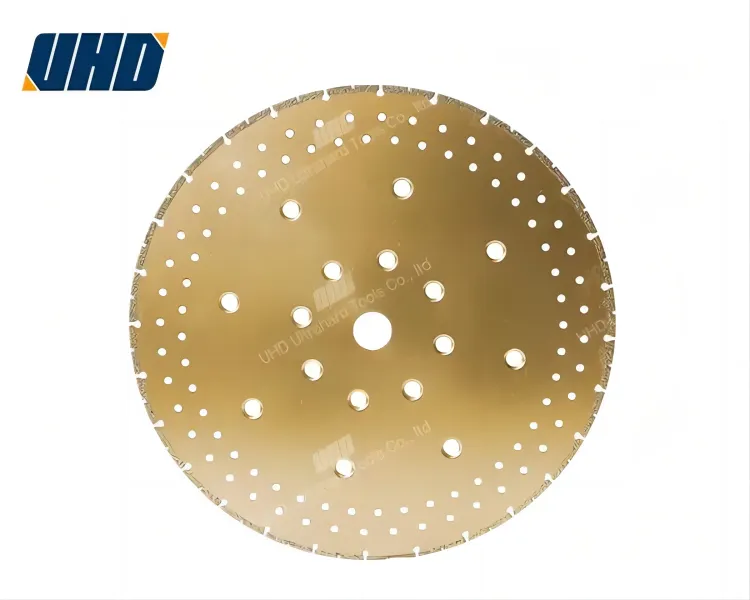
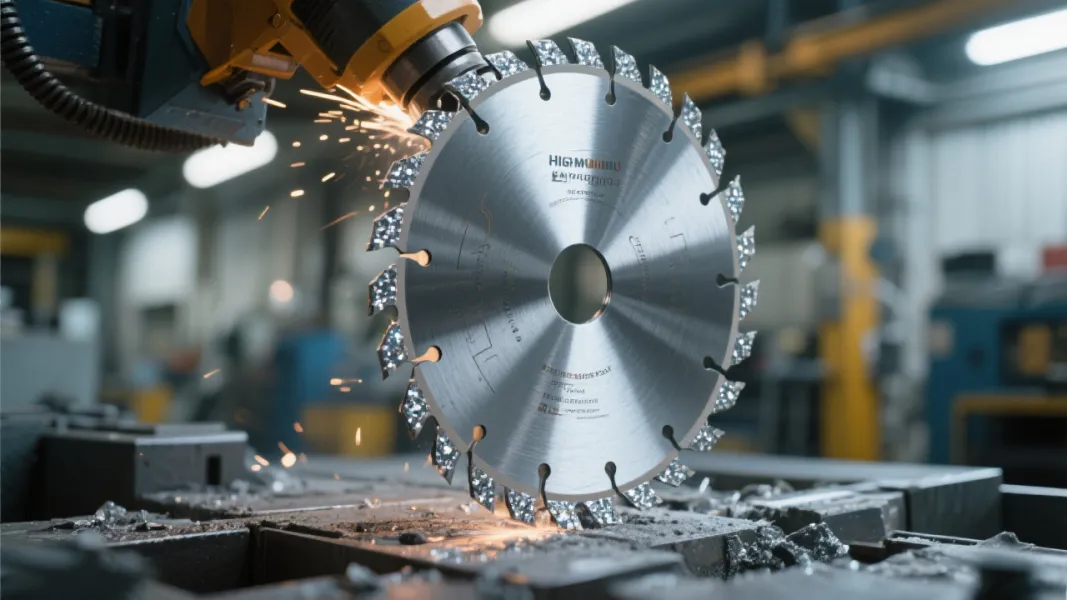
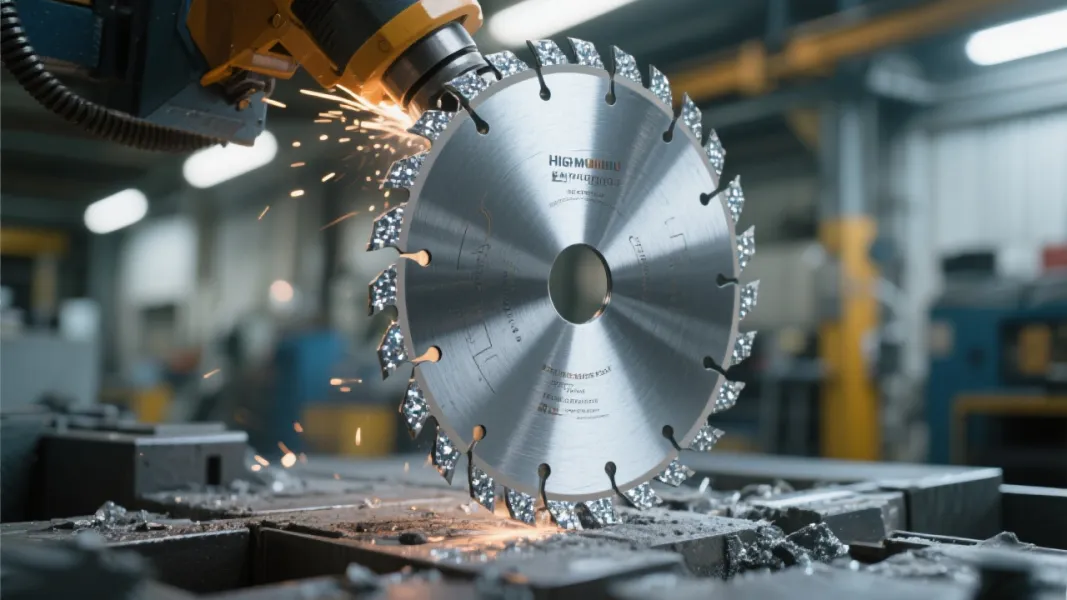
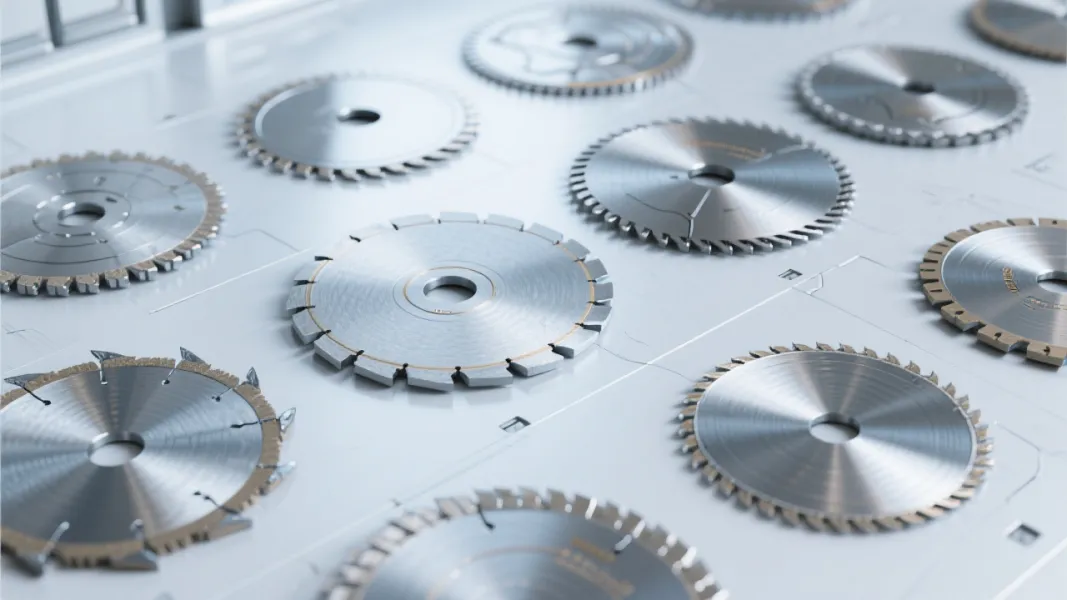
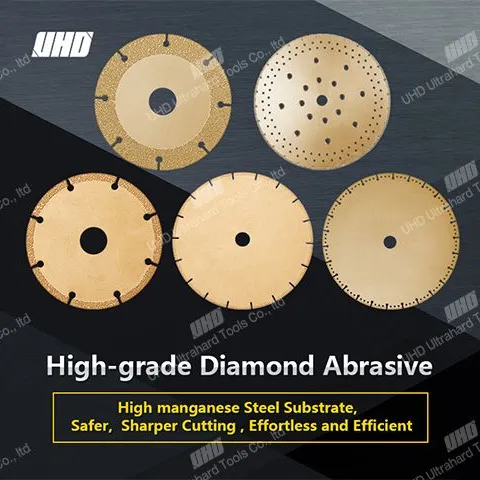
Proper segment design with laser-welded joints improves heat dissipation, reducing blade warping risks. Ventilation slots or segmented rims optimize cooling especially during dry cutting operations.
Have you experienced frequent diamond blade replacements that disrupt your production flow? Share your challenges below to explore tailored recommendations.
Wet cutting extends blade life by up to 50% by reducing heat and dust, suitable for indoor or controlled environments. Dry cutting offers mobility and convenience but demands blades with advanced heat-resistant designs. UHD advises assessing site-specific conditions and safety protocols before selection.
Reliable data from industry case studies underscores the importance of combining empirical testing with standardized benchmarks to achieve the best blade selection outcomes.
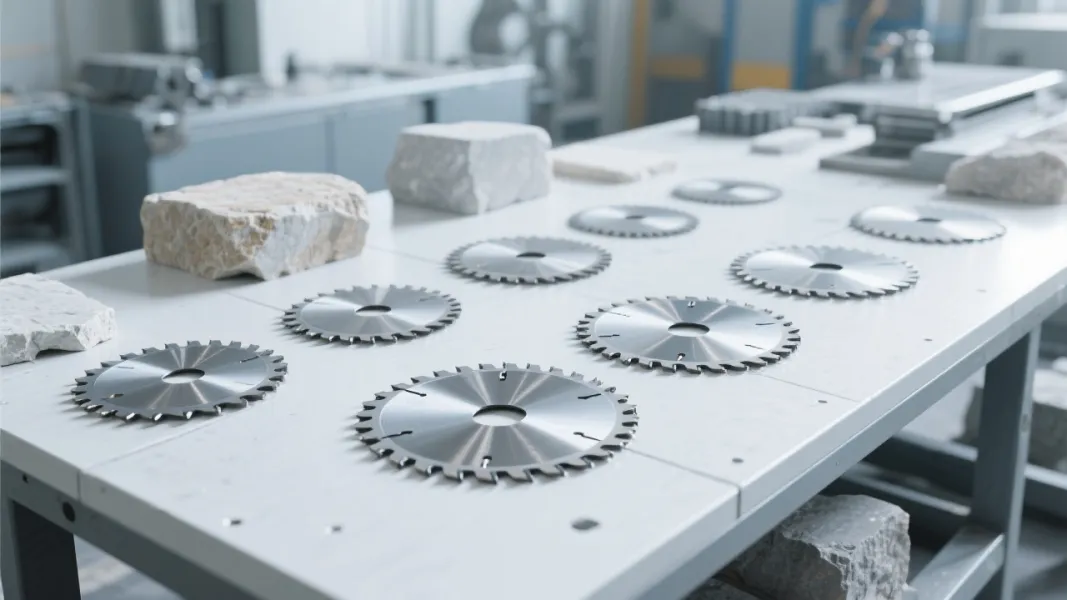
UHD proposes a straightforward evaluation matrix: align application specifics (granite hardness, cutting method), machine compatibility (blade size, RPM limits), and blade technical parameters (diamond grit & bond type, structural features). Incorporate third-party certifications and supplier service support as qualitative metrics.
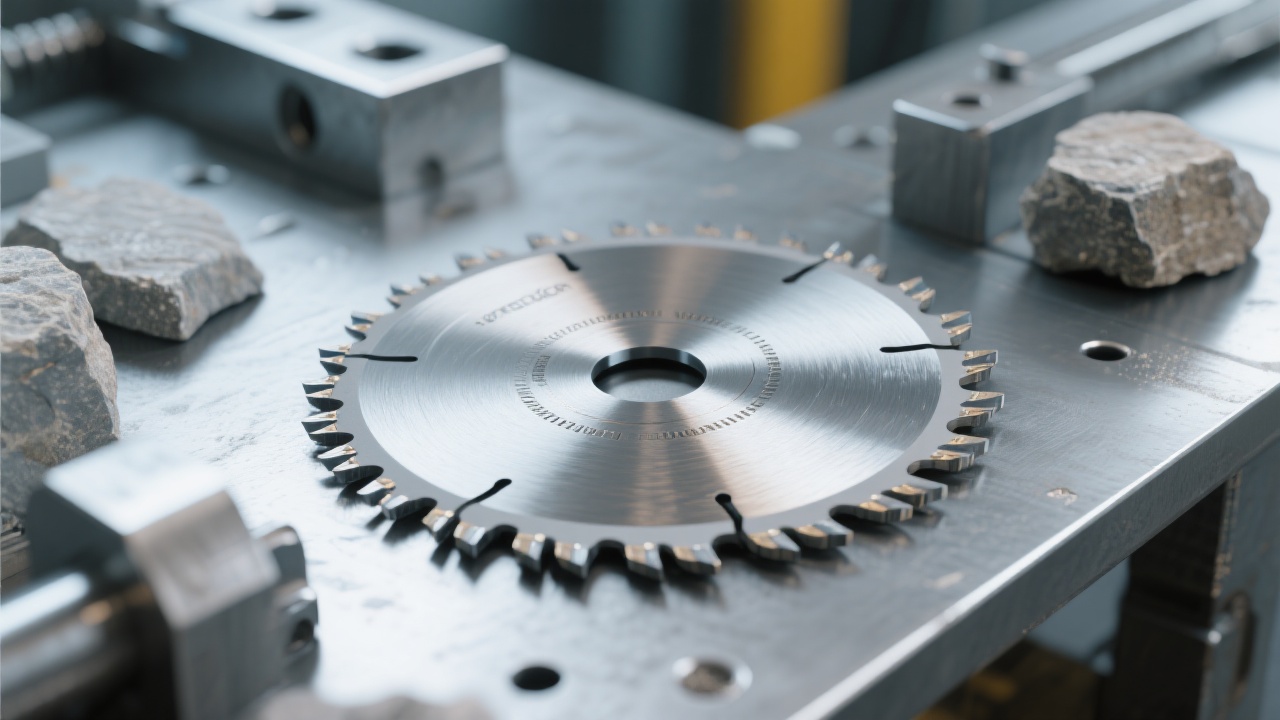
This structured approach reduces guesswork, lowers operational risks, and optimizes procurement budgets.
For procurement managers, UHD recommends prioritizing vendor transparency regarding blade composition and certification compliance to ensure budget security. Technical engineers should focus on matching blades to specific granite types and cutting conditions, utilizing detailed material wear data. Operators benefit from blades with ergonomic features and consistent cutting behavior to reduce fatigue and improve job-site safety.
“Integrating cross-departmental inputs into diamond blade selection strategies not only enhances operational harmony but drives measurable production gains.” — UHD Industrial Solutions Research

 91
|
91
|
 brazed diamond blade
stone cutting efficiency
UHD diamond blade
dry and wet cutting
industrial stone cutting tools
brazed diamond blade
stone cutting efficiency
UHD diamond blade
dry and wet cutting
industrial stone cutting tools
 89
|
diamond blade runout
400H brazed diamond blade maintenance
blade troubleshooting
blade installation calibration
vibration monitoring of diamond blades
89
|
diamond blade runout
400H brazed diamond blade maintenance
blade troubleshooting
blade installation calibration
vibration monitoring of diamond blades
 251
|
tile cutting
marble cutting
diamond saw blades
cutting mistakes
industrial cutting techniques
251
|
tile cutting
marble cutting
diamond saw blades
cutting mistakes
industrial cutting techniques
 248
|
diamond saw blade runout diagnosis
brazed diamond saw blade maintenance
saw blade calibration
industrial cutting tool upkeep
248
|
diamond saw blade runout diagnosis
brazed diamond saw blade maintenance
saw blade calibration
industrial cutting tool upkeep
 395
|
hard material cutting efficiency
diamond blade speed settings
feed rate optimization
heat dissipation design
vibration reduction technology
395
|
hard material cutting efficiency
diamond blade speed settings
feed rate optimization
heat dissipation design
vibration reduction technology






.png?x-oss-process=image/resize,h_600,m_lfit/format,webp)
.png?x-oss-process=image/resize,h_600,m_lfit/format,webp)