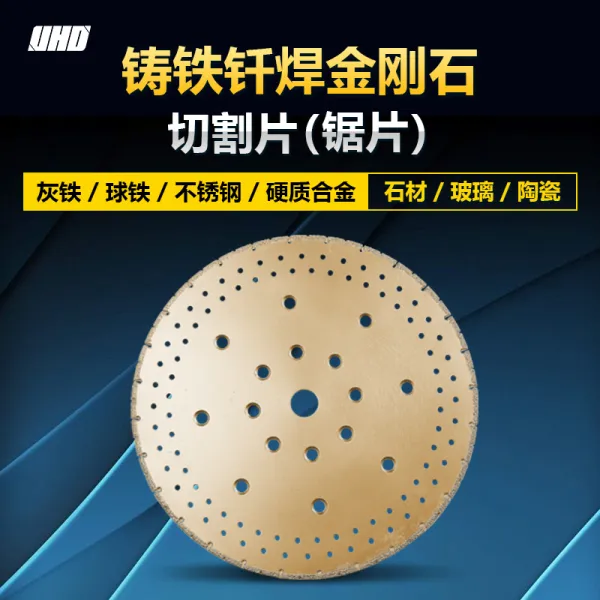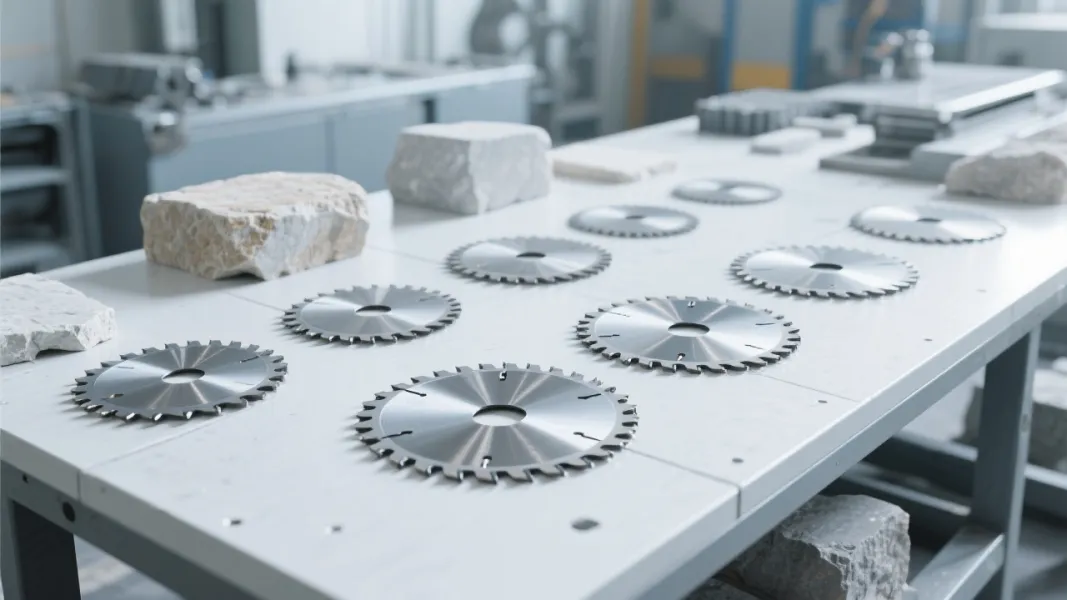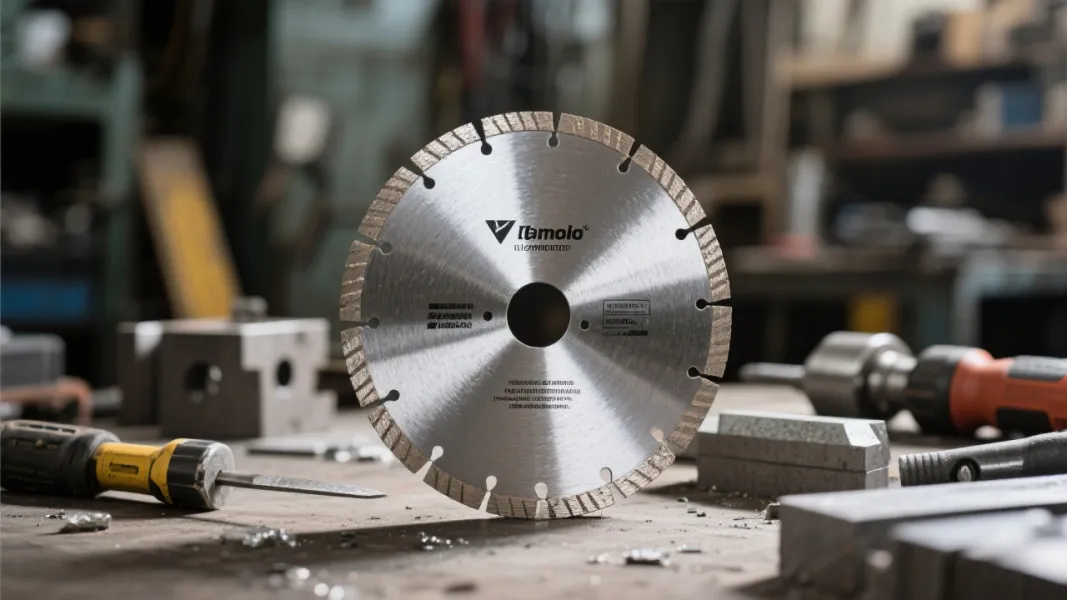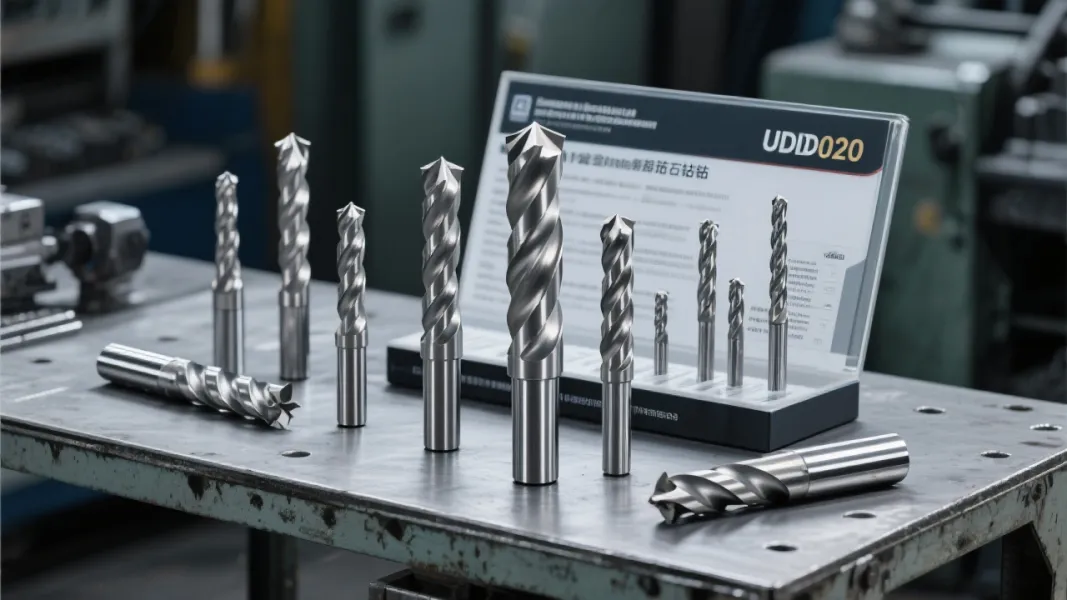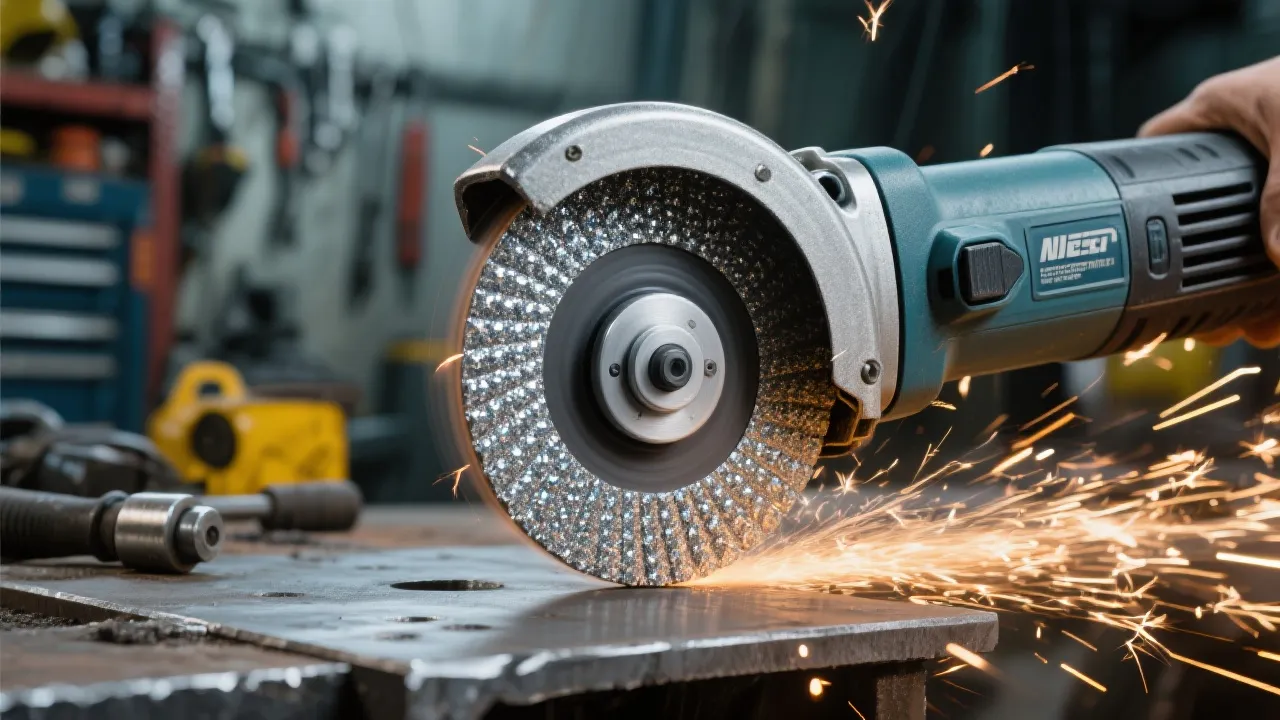
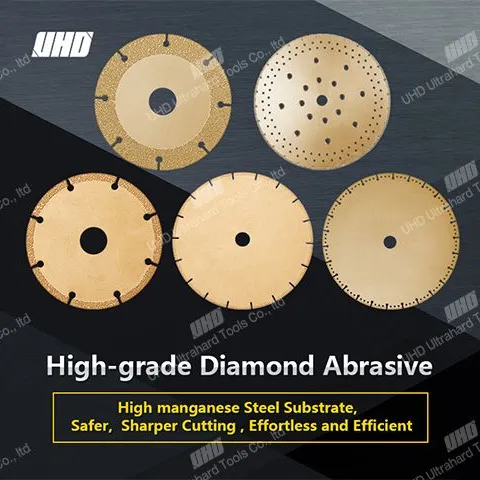
The longevity and efficiency of diamond saw blades are critical to optimizing industrial cutting operations. A prevalent issue undermining these attributes is diamond grain loss—or “grain shedding”—which often stems from inadequacies in brazing technology. This article focuses on the intricate relationship between diamond particle distribution, brazing methods, and the resulting tool performance. Leveraging insights into silver-copper brazing alloys and vacuum brazing, we explore how UHD’s advanced brazing processes can mitigate diamond grain loss, enhancing blade durability and cutting efficacy.
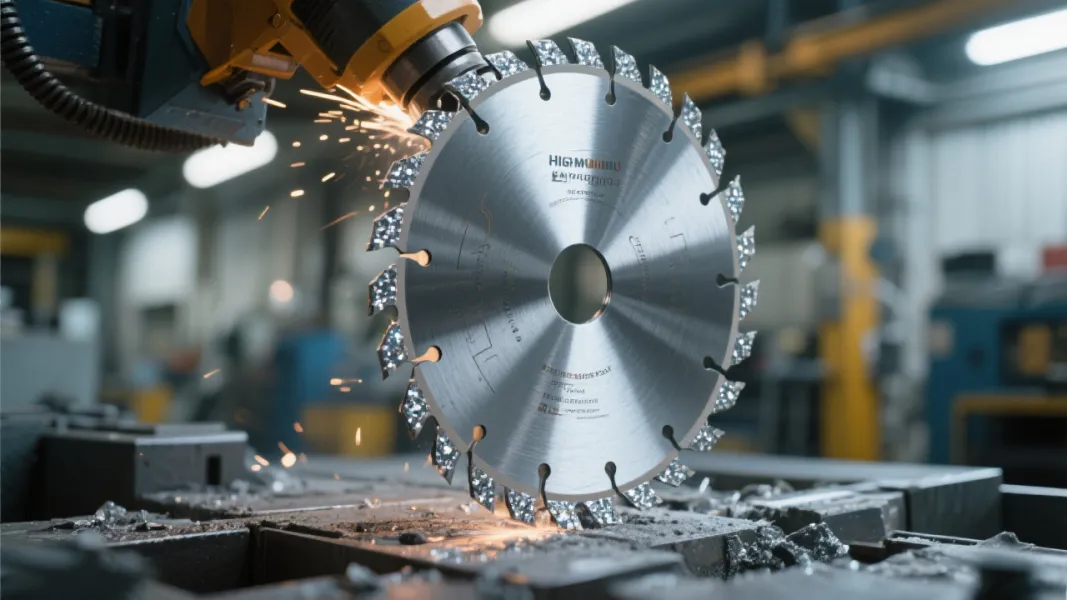
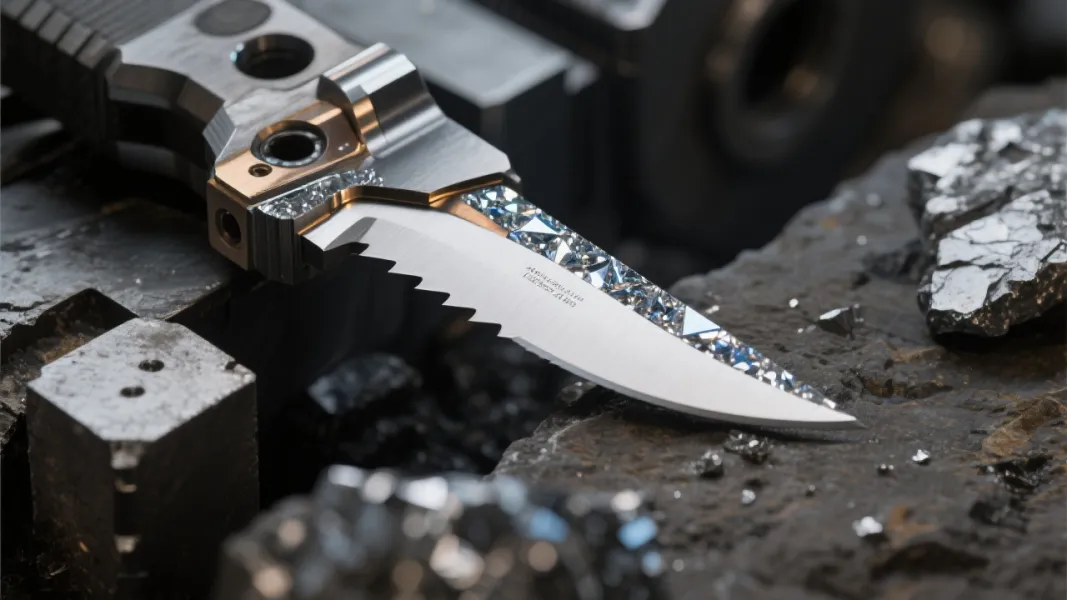
Diamond grit distribution and orientation within the blade’s matrix are foundational to cutting capability and blade lifespan. Optimal packing density ensures consistent cutting action, while directional alignment of diamond particles can significantly influence wear uniformity and heat dissipation.
Industrial-grade blades typically feature diamond volume fractions ranging from 40% to 60%, with precise control over particle size gradation to balance cutting aggressiveness and durability. Improperly distributed or loosely bonded particles increase susceptibility to premature grain loss, reducing tool life by up to 30%.
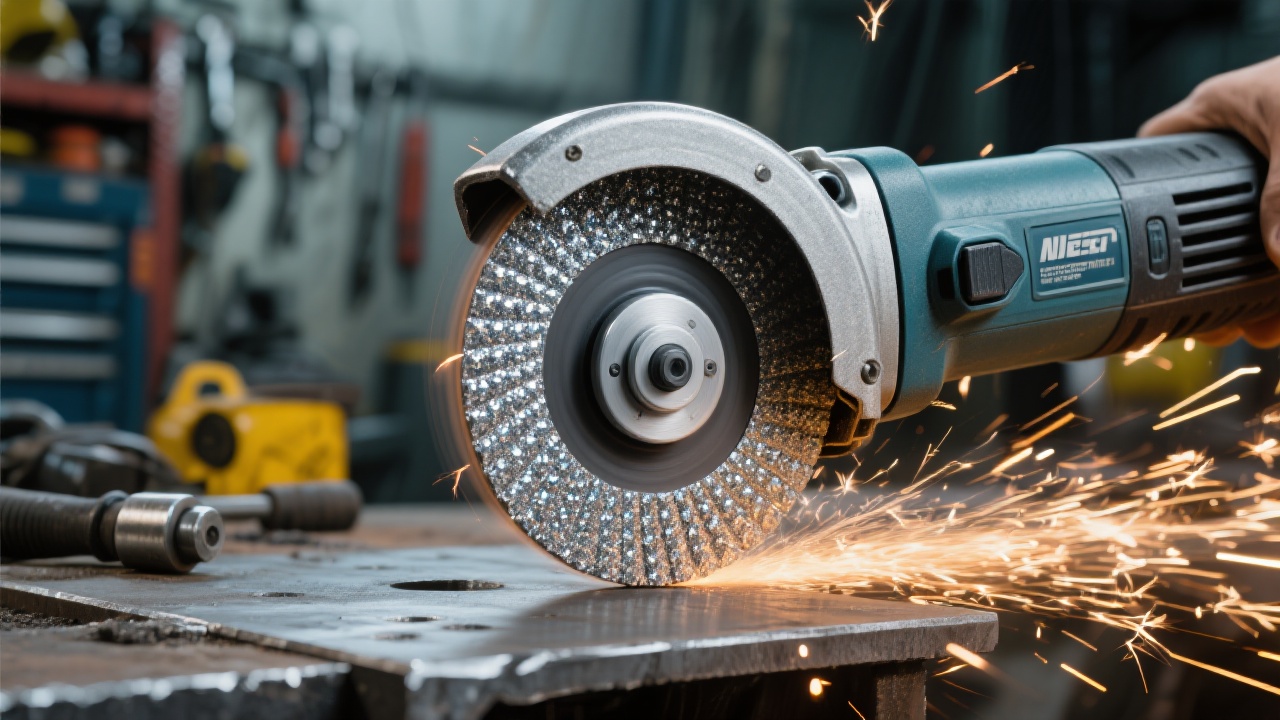
High-performance brazing directly impacts the mechanical integrity between the diamond grit and blade substrate. Silver-copper alloy brazing has long been favored for its relatively low melting point (~780°C), excellent wetting properties, and affordability. This method facilitates robust metallurgical bonding, ensuring diamond grains remain well anchored under high mechanical loads.
On the other hand, vacuum brazing elevates process conditions—often exceeding 900°C in a controlled low-pressure environment—yielding superior metallurgical joints with higher bonding strength and enhanced thermal stability. Vacuum brazing also minimizes oxidation and contamination, significantly reducing defects that cause early grain release.
| Feature | Silver-Copper Alloy Brazing | Vacuum Brazing |
|---|---|---|
| Bond Strength | Up to 350 MPa | Up to 450 MPa |
| Thermal Stability | Good; melting point limits heat resistance | Excellent; minimal oxidation preserves integrity |
| Process Complexity | Lower; widely accessible | Higher; requires specialized equipment |
| Grain Shedding Resistance | Moderate | Superior |
UHD’s engineering teams have extensively analyzed case studies where diamond saw blades exhibited premature grain loss and non-uniform wear patterns. Typical failure symptoms include increased vibration during cutting, reduced cut quality, and visual evidence of diamond grit detachment.
Contributing factors include:
Implementing vacuum brazing reduces oxidation risks, while precise control of diamond particle orientation ensures uniform stress distribution, mitigating abnormal edge wear. Additionally, tailoring alloy compositions helps maintain braze ductility and fracture toughness under cyclic loading.
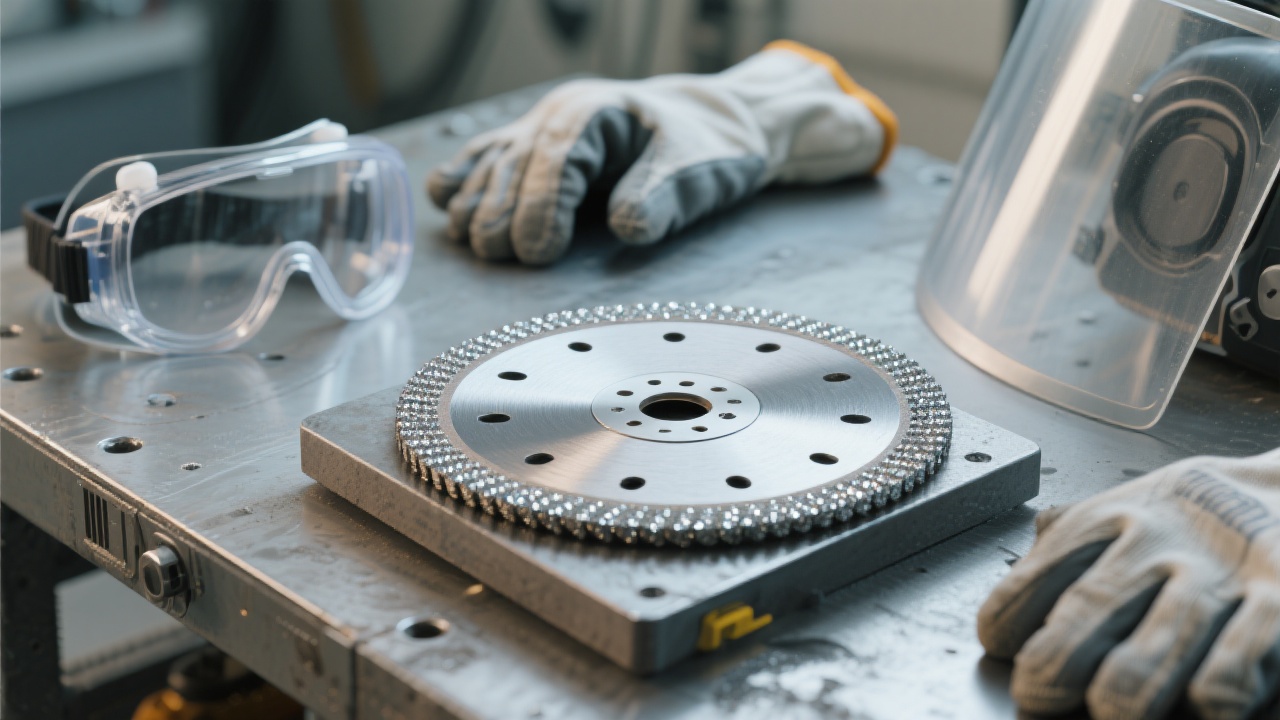
By integrating state-of-the-art brazing methods with detailed microstructural design, UHD delivers blades that achieve:
For industrial users, these benefits translate into tangible operational cost savings and greater production efficiency. Adoption of vacuum brazing technology—although requiring marginally higher initial investment—provides a compelling ROI within a typical 6-12 month production window.
 297
|
297
|
 CE certification
industrial saw blades
brazed diamond saw blades
reinforced brazing technology
heat dissipation design
CE certification
industrial saw blades
brazed diamond saw blades
reinforced brazing technology
heat dissipation design
 89
|
diamond blade failures
blade lifespan extension
diamond blade maintenance
thermal damage prevention
industrial saw blade troubleshooting
89
|
diamond blade failures
blade lifespan extension
diamond blade maintenance
thermal damage prevention
industrial saw blade troubleshooting
 252
|
tile cutting
marble cutting
diamond saw blades
cutting mistakes
industrial cutting techniques
252
|
tile cutting
marble cutting
diamond saw blades
cutting mistakes
industrial cutting techniques
 456
|
brazed diamond saw blade
400mm diamond blade
diamond blade heat dissipation
hard material cutting tools
industrial saw blade customization
456
|
brazed diamond saw blade
400mm diamond blade
diamond blade heat dissipation
hard material cutting tools
industrial saw blade customization
 124
|
wet and dry diamond blade cutting parameters
wet cutting water cooling techniques
dry cutting anti-coking methods
UHD brazed diamond blade usage
stone cutting parameter optimization
124
|
wet and dry diamond blade cutting parameters
wet cutting water cooling techniques
dry cutting anti-coking methods
UHD brazed diamond blade usage
stone cutting parameter optimization





.png?x-oss-process=image/resize,h_600,m_lfit/format,webp)

.png?x-oss-process=image/resize,h_600,m_lfit/format,webp)
.png?x-oss-process=image/resize,h_600,m_lfit/format,webp)