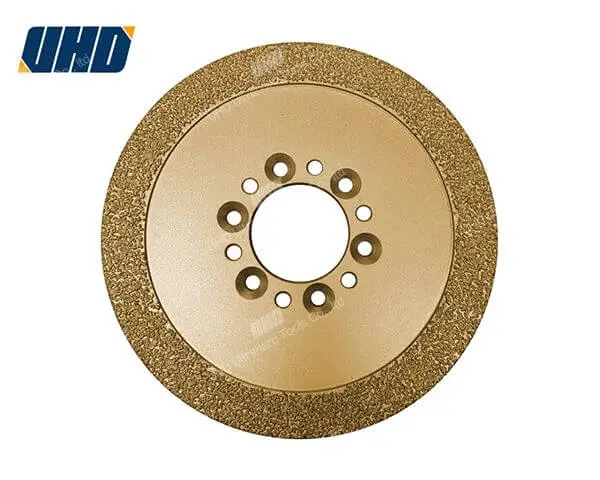
When working with wire-brazed diamond saw blades such as the 400H model from Henan Youde Superhard Tools Co., Ltd., mastering installation and vibration monitoring techniques is key to ensuring blade longevity, cutting accuracy, and operator safety. Whether you’re on-site managing cutting operations or handling overseas distribution, adopting a rigorous maintenance and troubleshooting regimen is vital for consistent performance.
Start your maintenance with an effective cleaning routine post-operation. Concrete dust and slurry residues are abrasive and promote uneven wear. Gently remove dirt and grit using a soft brush and clean water. Avoid harsh chemicals that might weaken the brazed joints or the diamond segments.
| Step | Action | Tips |
|---|---|---|
| 1 | Remove surface dust | Use soft nylon brush instead of metal brushes |
| 2 | Wash with clean water | Avoid detergents or oils |
| 3 | Dry thoroughly | Prevent rust by drying promptly |
Storage environment also heavily influences blade condition. Keep blades in a dry, temperature-stable area ideally around 15-25°C (59-77°F), avoiding direct sunlight and humidity above 60%. Improper storage leads to premature oxidization and weakens the solder joints.
Before installation, inspect the blade thoroughly for cracks, chips, or uneven wear. Mount the blade on the arbor ensuring:
Misaligned or loosely mounted blades can cause vibration issues that lead to edge chipping and inconsistent cutting quality.
Vibration monitoring is an advanced method to proactively detect problems before critical failures occur. Use handheld vibration meters or integrated machine sensors to check for:
Early diagnostic data allows you to pause work and conduct targeted troubleshooting, helping to prevent more severe damage and downtime.
For example, a common symptom of edge chipping is sudden vibration spikes at frequencies above 100 Hz. By tracking these, you can schedule a blade replacement or maintenance before cutting quality deteriorates.
| Issue | Cause | Recommended Action |
|---|---|---|
| Excessive Blade Vibration | Misalignment or loose mounting | Re-mount blade checking arbor fit & tension nuts |
| Edge Chipping/Breaking | Improper storage or sudden impact | Inspect storage conditions; ensure careful handling |
| Uneven Wear | Unequal cutting pressure or incorrect calibration | Adjust machine feed and check cutting parameters |
As an export customer or frontline operator, developing a standardized, experience-driven maintenance protocol is critical. Emphasize routine visual inspections, recorded vibration measurements, and consistent cleaning cycles. Documenting findings fosters preventative care and systematic troubleshooting, reducing unexpected failures by up to 40% according to industry case studies.
Embracing these best practices not only lengthens your diamond saw blade’s service life by 20-30% but also safeguards operational safety and optimizes production efficiency.
Actionable Resource for Our Readers:
Download your complimentary Diamond Saw Blade Daily Inspection Checklist to implement and track your blade maintenance routines effectively.
Feel free to comment below or contact your technical advisor for personalized support on diamond blade maintenance and troubleshooting.





.png?x-oss-process=image/resize,h_600,m_lfit/format,webp)
.png?x-oss-process=image/resize,h_600,m_lfit/format,webp)