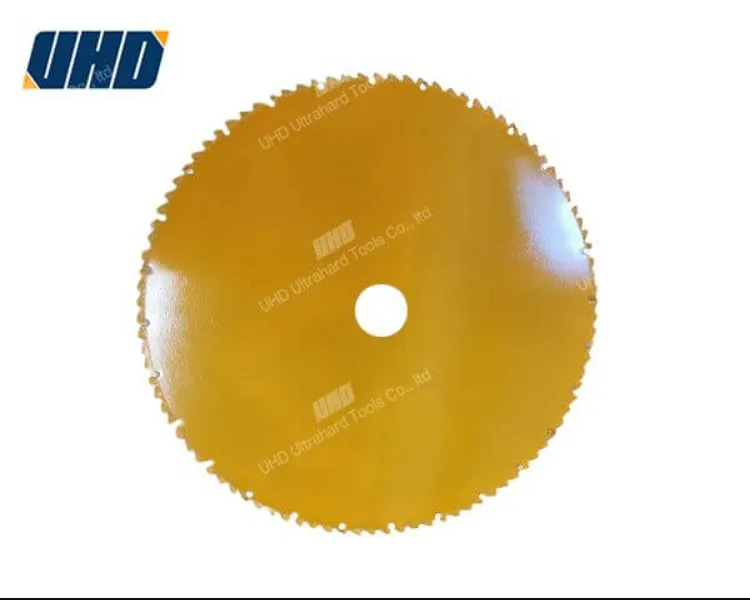
Whether you're working with granite, marble, or ceramic tiles, the performance of your diamond saw blade is directly tied to how well it's maintained—especially when choosing between wet and dry cutting methods. According to industry data from Stone Technology Journal (2023), improper maintenance accounts for up to 42% of premature blade failure in stone fabrication shops worldwide.
| Factor | Wet Cutting | Dry Cutting |
|---|---|---|
| Cooling Efficiency | High – water reduces friction heat by ~70% | Low – relies on air flow; higher risk of overheating |
| Dust Control | Excellent – suppresses silica dust effectively | Poor – generates fine particulates requiring PPE |
| Blade Life | +25–40% longer life (with proper water pressure) | Shorter lifespan due to thermal stress |
A real-world example from a Turkish tile manufacturer shows that switching from dry to wet cutting reduced blade replacements by 33% over six months while improving cut quality. The key? Consistent water pressure above 2.5 bar and regular cleaning of the cooling system.
For best results, always check blade condition before each shift: inspect for dull edges, cracks, or missing segments. Use a magnifying glass if needed—it’s worth the extra minute.
When cutting granite (hardness: 6–7 Mohs), start with a coarse segment blade at low RPM (~3000 RPM) for rough cuts, then switch to a fine-toothed blade for finishing. For ceramic tiles, use dry cutting with a diamond core bit designed for low-friction surfaces—this prevents glaze damage.
Pro tip: Clean the blade after every 3–4 hours of continuous use—even if it looks fine. A quick rinse with warm water and a soft brush removes residual dust that could oxidize during storage.
Case Study: A German construction firm reported a 19% increase in productivity after implementing a standardized blade maintenance checklist based on this guide. Their team now performs daily inspections and logs blade usage per job—resulting in fewer unexpected downtime events.
Don’t let preventable mistakes cost you time, money, or safety. Whether you’re managing a small workshop or a large-scale fabrication unit, understanding these fundamentals ensures consistent performance and longevity.
Get our free technical manual with step-by-step blade care routines, material-specific recommendations, and expert tips from field engineers.
Download the Ultimate Diamond Blade Care Guide
 76
|
76
|
 brazed diamond saw blade applications
hard material cutting technology
diamond saw blade structural design
wet and dry cutting blades
cutting precision improvement
54
|
Tile cutting techniques
Marble cutting processes
Diamond saw blade selection
Common mistakes in stone cutting
Cutting solutions for hard materials
85
|
dry wet cutting equipment
handheld cutting tools for construction
diamond blade compatibility
industrial cutting solutions
cutting equipment maintenance
231
|
400mm brazed diamond saw blade
stone cutting tools for construction
high-efficiency diamond blade
diamond blade wear resistance
hard material cutting solutions
137
|
ISO 9001 saw blade certification
diamond saw blade selection guide
industrial cutting tool trends
brazed diamond saw blade
granite cutting solutions
brazed diamond saw blade applications
hard material cutting technology
diamond saw blade structural design
wet and dry cutting blades
cutting precision improvement
54
|
Tile cutting techniques
Marble cutting processes
Diamond saw blade selection
Common mistakes in stone cutting
Cutting solutions for hard materials
85
|
dry wet cutting equipment
handheld cutting tools for construction
diamond blade compatibility
industrial cutting solutions
cutting equipment maintenance
231
|
400mm brazed diamond saw blade
stone cutting tools for construction
high-efficiency diamond blade
diamond blade wear resistance
hard material cutting solutions
137
|
ISO 9001 saw blade certification
diamond saw blade selection guide
industrial cutting tool trends
brazed diamond saw blade
granite cutting solutions









.png?x-oss-process=image/resize,h_600,m_lfit/format,webp)