When you operate diamond blades in demanding cutting environments, frequent issues like blade runout, edge chipping, and uneven wear can disrupt your workflow and inflate costs. Understanding the root causes of these common failures—and applying systematic maintenance protocols—enables you to enhance cutting precision and extend blade life.
Blade runout, often characterized by abnormal vibration and inconsistent cutting lines, typically results from mounting errors or shaft misalignment. Edge chipping, where segments break off prematurely, may stem from excessive feed pressure, improper cutting speed, or blade material fatigue. Uneven wear often indicates imbalanced force distribution or dirt accumulation on the segments.
Addressing these problems starts with a keen understanding of their origins so you can implement targeted measures rather than quick fixes.
Maintaining blade integrity demands thorough cleaning after each use. Residue buildup can accelerate segment wear and cause heat spots leading to premature failure. Use a soft brush and approved solvents to remove dust and slurry.
Proper storage is equally vital—store blades in a dry, temperature-stable environment to prevent corrosion or warping. Avoid stacking blades directly atop one another; instead, use rack holders or separators to preserve segment edges.
Incorrect installation is a frequent cause of runout and vibration. Follow these steps carefully each time you mount your blade:
Your senses are valuable diagnostic tools. Listen attentively to the blade during operation. A sudden change in pitch or rhythm often signals imbalance or incipient damage. Visual cues like irregular cut surfaces or fluctuating feed resistance are additional indicators.
Employ vibration analyzers where possible—early detection of atypical vibration amplitudes (exceeding 5 mm/s RMS) can prevent catastrophic failures.
Regularly inspect the diamond segments and blade body integrity. Check for segment height reduction, cracks on the core, or discoloration indicating overheating. Replace blades when diamond segments wear down below 2 mm or when warping compromises straightness.
Note the cutting surface finish quality; if cut edges become visibly rougher by more than 20% compared to baseline, maintenance or replacement is warranted.
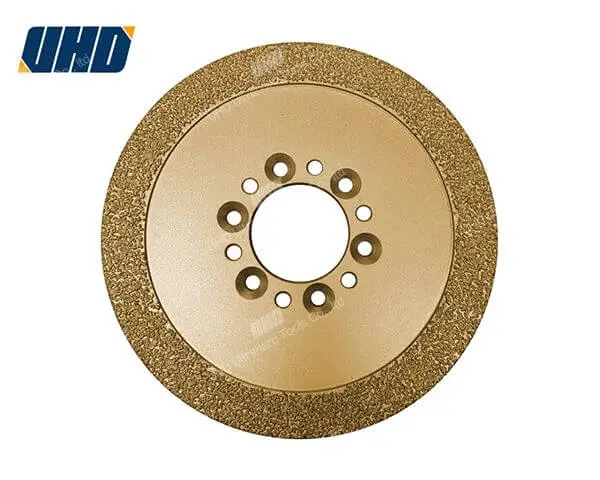
At sites deploying the Youde Superhard 400H Blade, operators report notable improvements due to its robust core design which resists deformation, simplifying alignment and reducing runout incidents. Adopting vibration monitoring combined with standardized cleaning regimens decreased unexpected stops by over 30% in our partner facilities.
Incorporating these practical steps empowers you to maintain operational flow, reduce costly blade replacements, and ensure worker safety during cutting tasks.





.png?x-oss-process=image/resize,h_600,m_lfit/format,webp)
.png?x-oss-process=image/resize,h_600,m_lfit/format,webp)