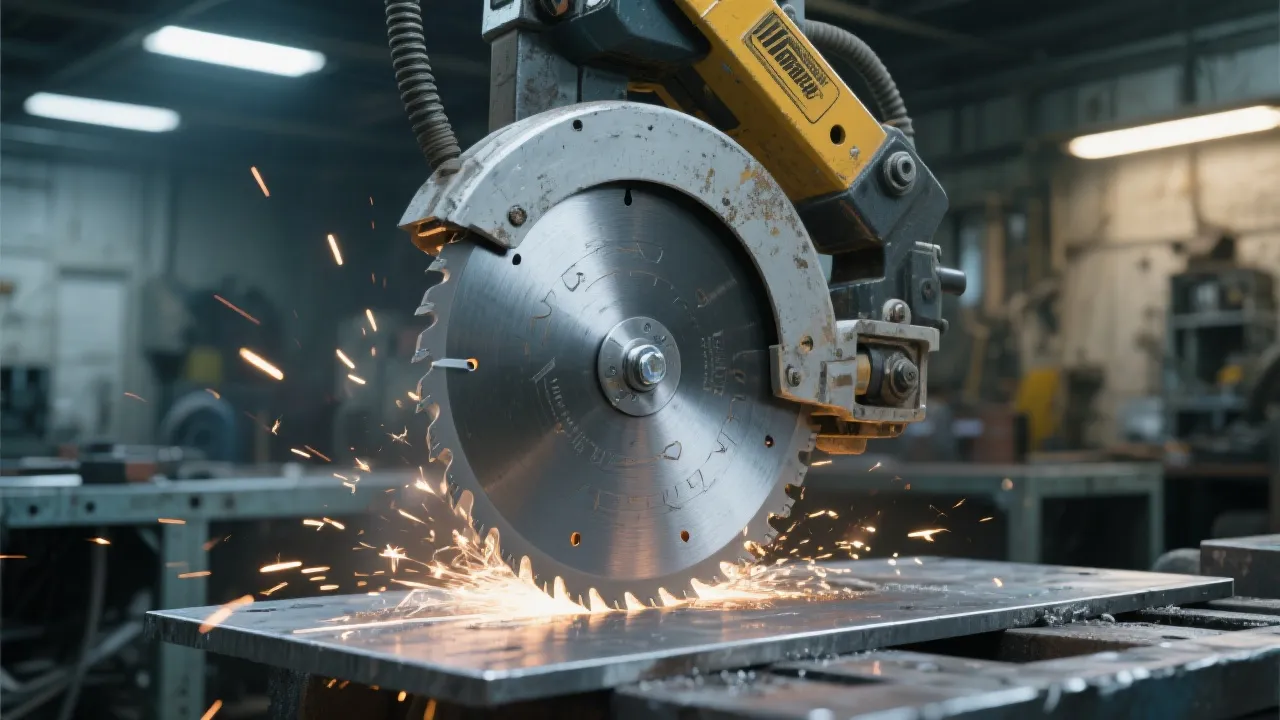
In your daily operations, recognizing the right moment to replace diamond saw blades can mean the difference between smooth cutting and costly downtime. Decreasing cut efficiency, unusual noises, or excessive heat aren't just inconveniences—they are red flags signaling blade aging or failure. This guide equips you with practical, actionable insights to identify these signs early and implement maintenance that prolongs blade life and boosts overall productivity.
Let’s break down the typical symptoms you should monitor closely:
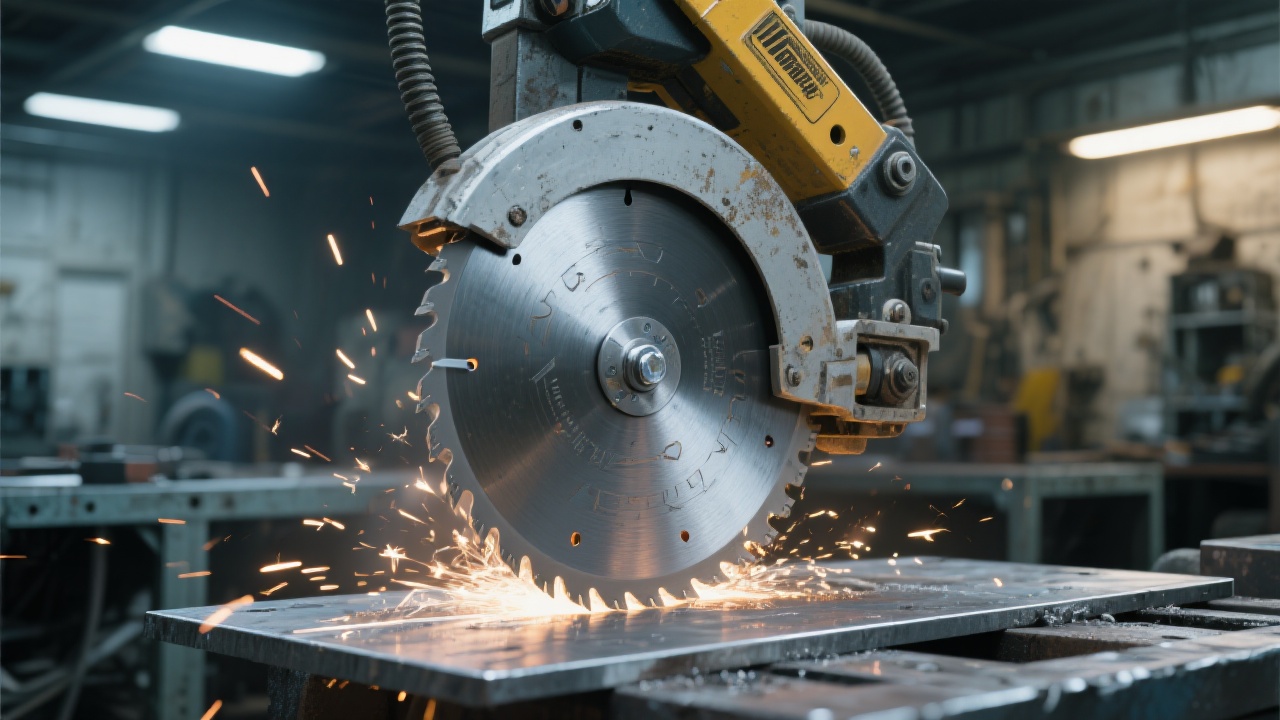
Proactive inspections prevent unexpected downtime. Here is a recommended routine:
| Inspection Frequency | Checklist Items |
|---|---|
| Daily | Visual check for cracks, abnormal noise, and temperature during operation |
| Weekly | Measure cut kerf width and compare against baseline |
| Monthly | Full blade removal for detailed segment wear and bonding integrity inspection |
Your blade’s longevity depends heavily on maintenance. Consider the following tips:
“Over the past 10 years in the field, we’ve observed that blades maintained with regular cleaning and correct coolant management last 30% longer on average, significantly reducing production costs.”—Senior Engineer at Yode Superhard
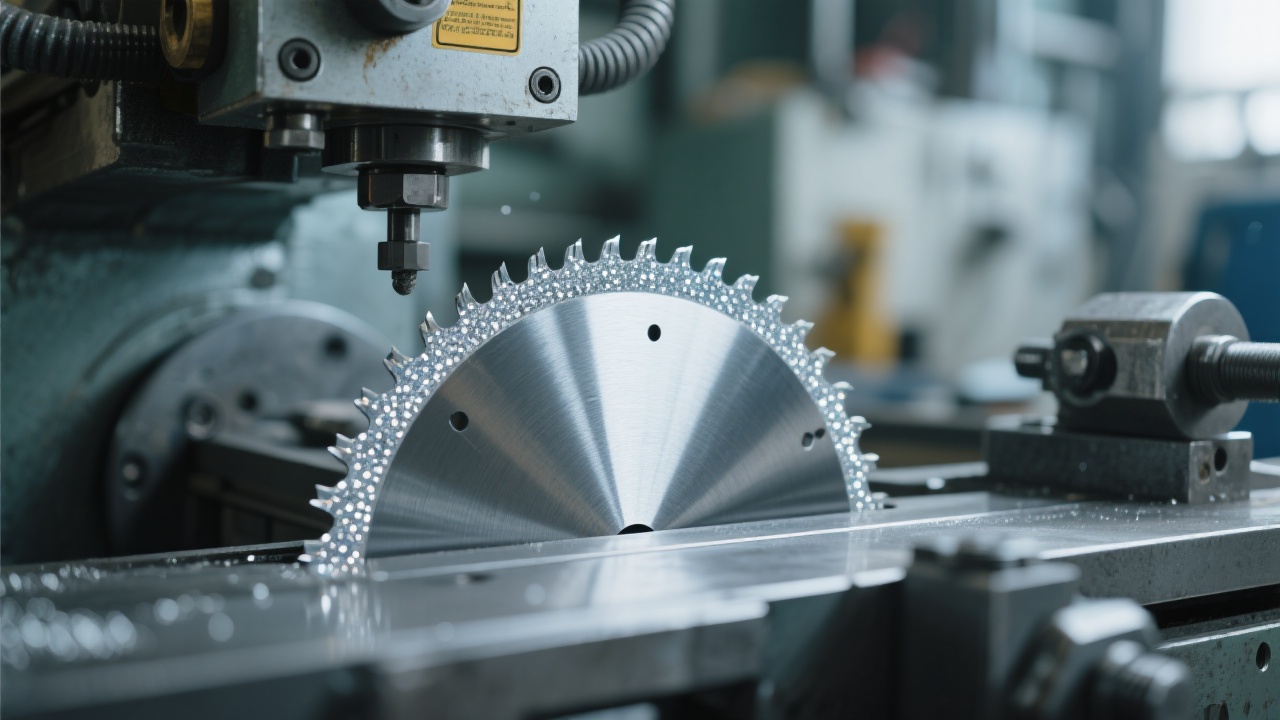
According to Yode Superhard's customer data, adopting a strict maintenance schedule reduces blade replacement frequency by up to 40%, and cuts downtime losses by 25%. This translates to thousands of dollars saved annually per production line. Our advanced Yode 400H blade with optimized heat dissipation structure is engineered to mitigate temperature spikes, enabling longer continuous cutting without risk of thermal damage.

For your convenience, we offer a downloadable Diamond Saw Blade Daily & Weekly Inspection Checklist to guide your team through systematic checks. Additionally, our FAQ module addresses frequent questions such as:
Visit our Technical Support Page anytime for in-depth guidance tailored to your cutting challenges.

 152
|
152
|
 stone cutting blade wear
efficient stone cutting solutions
diamond blade maintenance tips
400mm stone saw blade
stone processing tool recommendations
stone cutting blade wear
efficient stone cutting solutions
diamond blade maintenance tips
400mm stone saw blade
stone processing tool recommendations
 391
|
400H brazed diamond saw blade
high-performance diamond saw blade
brazed diamond blade for concrete cutting
industrial diamond tools
diamond blade durability
271
|
diamond saw blade maintenance
brazed diamond blade troubleshooting
saw blade vibration monitoring
industrial saw blade installation tips
concrete cutting blade care
319
|
Brazed diamond saw blade applications
Stone cutting solutions
Saw blade customization specifications
Concrete cutting saw blades
CE ISO quality certification
293
|
diamond blade for tile cutting
marble precision cutting
brazed diamond saw blade
stone cutting techniques
ceramic tile cutting tools
391
|
400H brazed diamond saw blade
high-performance diamond saw blade
brazed diamond blade for concrete cutting
industrial diamond tools
diamond blade durability
271
|
diamond saw blade maintenance
brazed diamond blade troubleshooting
saw blade vibration monitoring
industrial saw blade installation tips
concrete cutting blade care
319
|
Brazed diamond saw blade applications
Stone cutting solutions
Saw blade customization specifications
Concrete cutting saw blades
CE ISO quality certification
293
|
diamond blade for tile cutting
marble precision cutting
brazed diamond saw blade
stone cutting techniques
ceramic tile cutting tools






.png?x-oss-process=image/resize,h_600,m_lfit/format,webp)



.png?x-oss-process=image/resize,h_600,m_lfit/format,webp)

