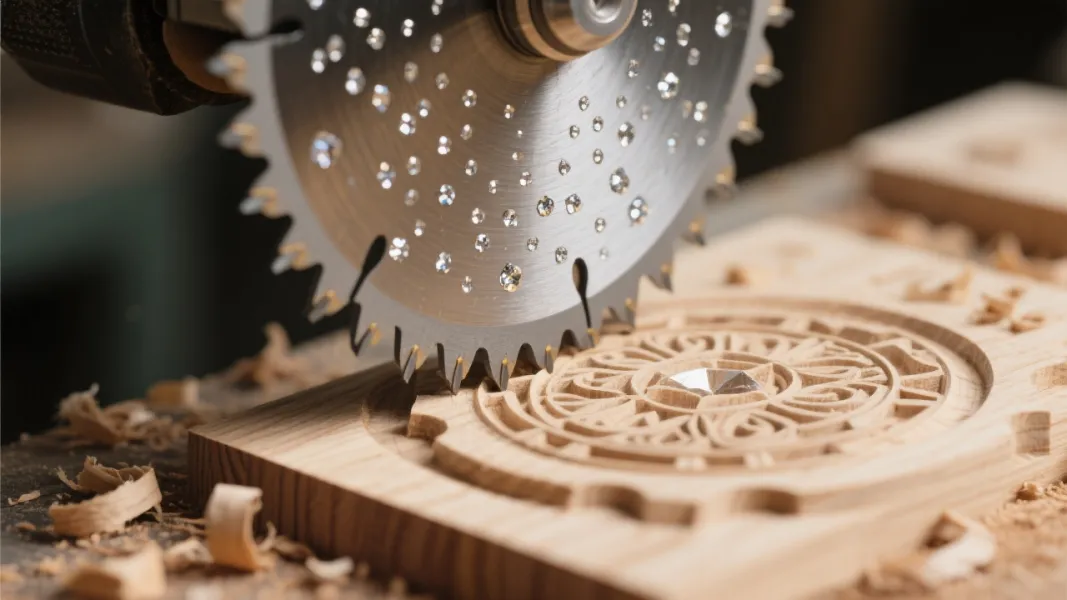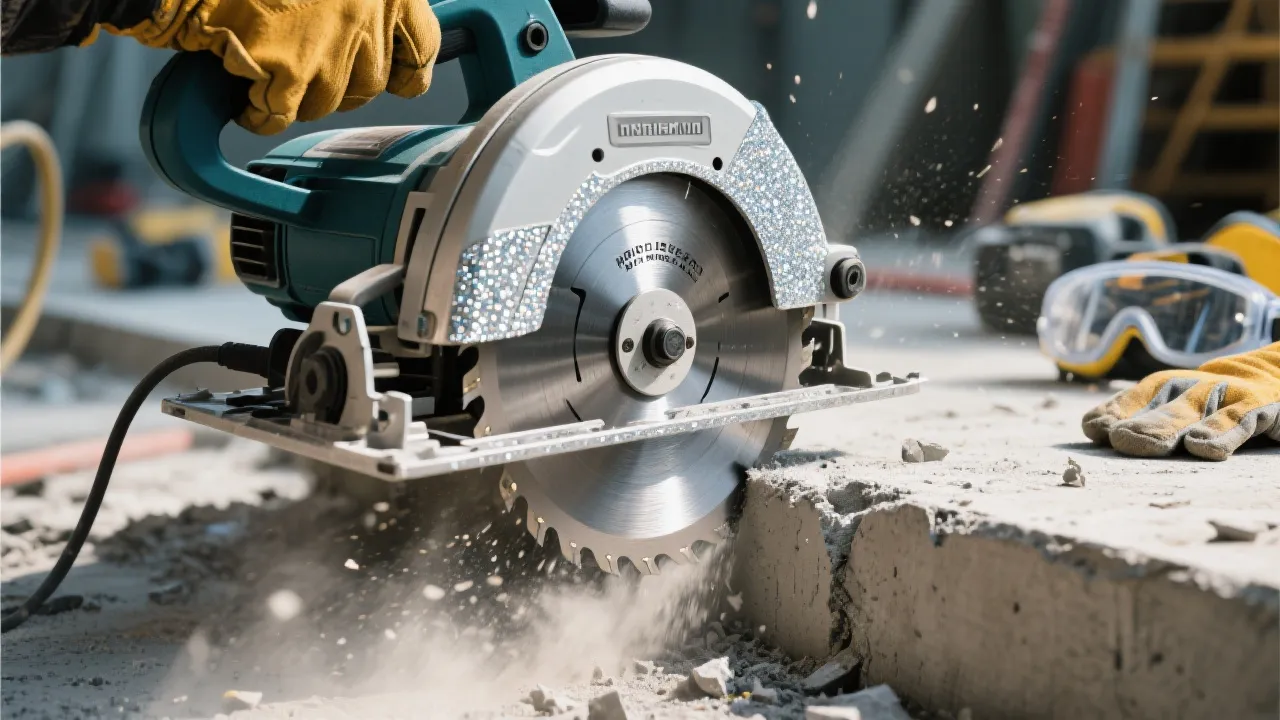
Every year, manufacturing facilities lose an estimated 2,000 production hours due to equipment downtime caused by worn cutting tools. For operations relying on diamond saw blades, recognizing the right time to replace blades can mean the difference between optimal productivity and costly interruptions. This guide explores the critical relationship between saw cut width variations and blade replacement decisions, offering actionable insights to keep your cutting operations running at peak efficiency.
Your diamond saw blade's performance is directly reflected in the quality of the cuts it produces. A blade in optimal condition maintains a consistent cut width throughout its service life. However, as diamond segments wear and bonding materials degrade, this critical dimension begins to change—serving as one of the most reliable indicators that replacement may be necessary.
Industry Insight: According to a study by the Manufacturing Technology Association, inconsistent cut widths account for approximately 38% of all quality control issues in stone and metal fabrication operations. This translates to material waste exceeding 12% in average production environments.
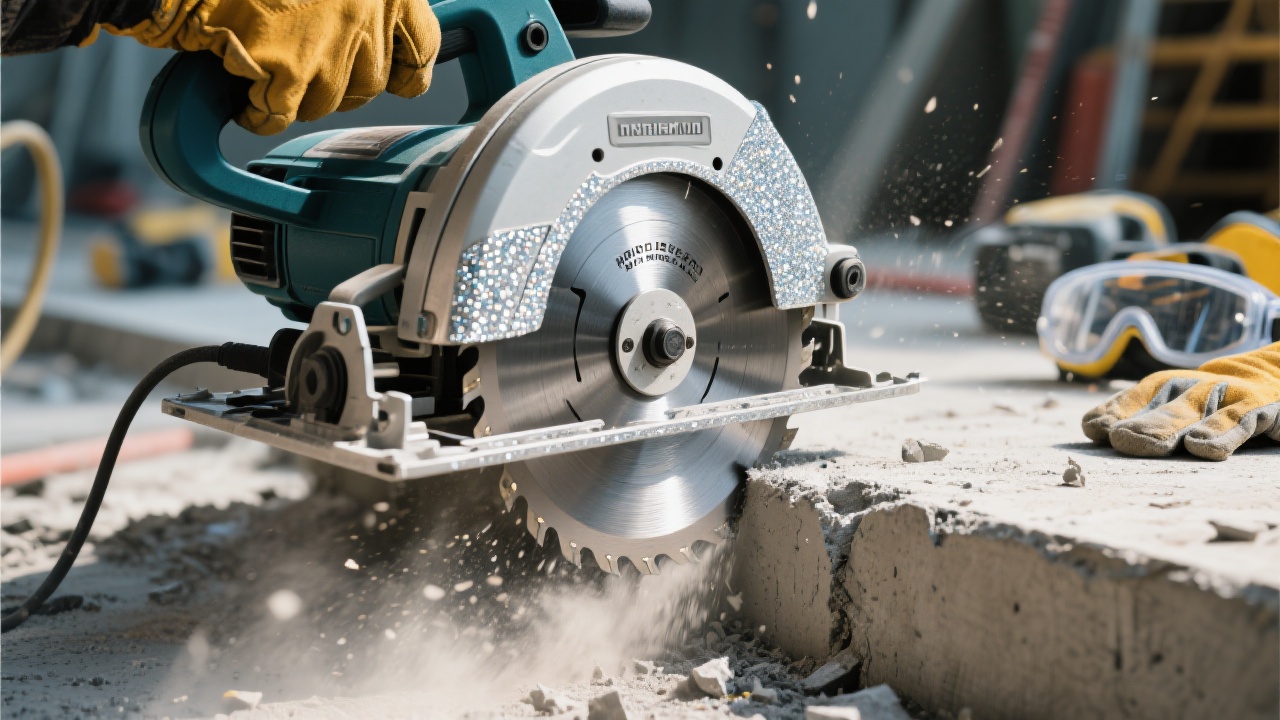
While changes in saw cut width represent a primary indicator, several complementary symptoms typically accompany blade deterioration. Recognizing these warning signs collectively will help you make more informed replacement decisions:
A deviation of more than 0.3mm from the original cut width typically indicates significant segment wear or uneven diamond exposure, requiring immediate attention.
Changes from the normal operational sound—particularly high-pitched squealing or irregular vibration patterns—often signal blade imbalance or segment damage.
Noticeable heat buildup during cutting operations (beyond normal friction levels) indicates reduced coolant flow or ineffective diamond cutting action.
Visible chipping along cut edges or irregular wear patterns on diamond segments often precedes catastrophic blade failure if not addressed promptly.
.png)
Implementing a systematic approach to blade inspection can significantly improve your ability to identify replacement needs before they impact production. Here are proven diagnostic techniques used by industry professionals:
Establish a baseline measurement of your blade's cut width when new. For most industrial applications, measuring at three different points across the cut and averaging the results provides the most accurate assessment. Record these measurements in a maintenance log, and compare weekly to track changes.
| Material Being Cut | Maximum Allowable Width Increase | Typical Replacement Interval |
|---|---|---|
| Granite & Hard Stone | 0.25mm | 40-60 hours |
| Concrete & Masonry | 0.4mm | 60-80 hours |
| Metal Alloys | 0.2mm | 30-50 hours |
While replacement is inevitable, proper maintenance can significantly extend the service life of your diamond saw blades. Based on field research with over 500 industrial clients, implementing these key practices can increase blade longevity by 35-45%:
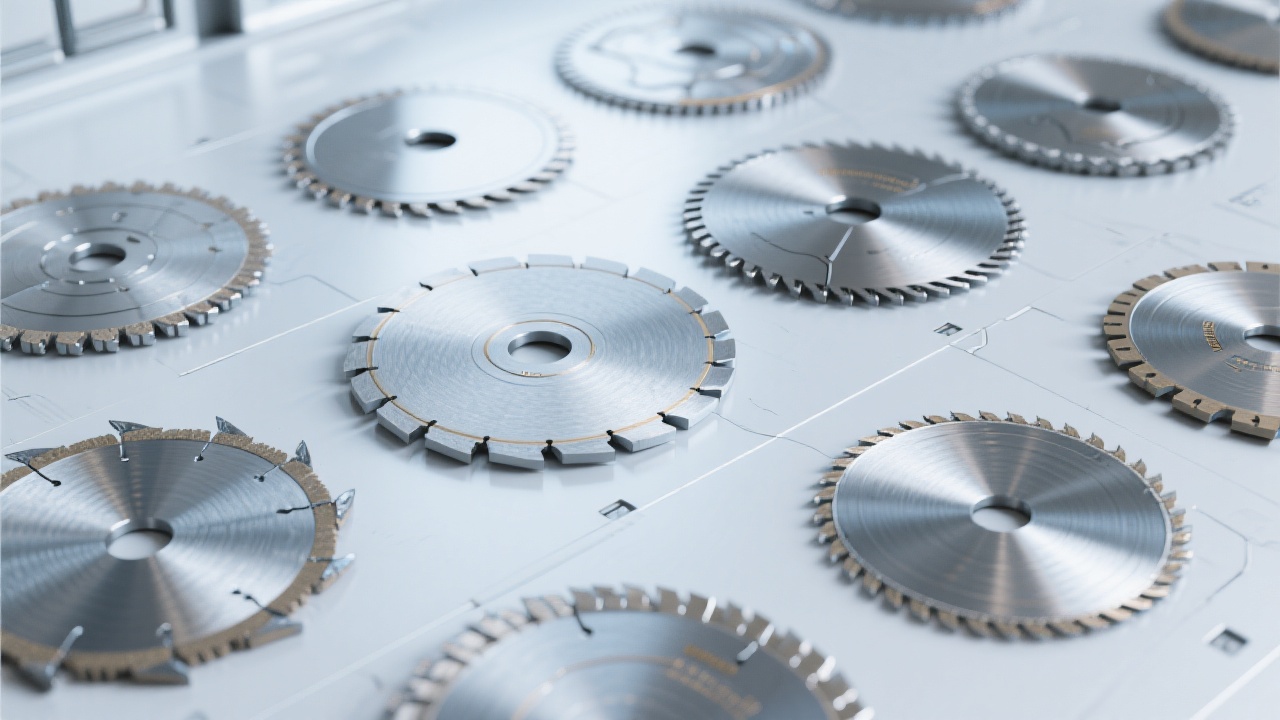
A: Normal wear exhibits uniform diamond segment reduction across the blade circumference. Premature failure typically shows uneven wear patterns, segment loss, or core damage—often caused by improper tension, incorrect coolant usage, or misalignment.
A: While time-based replacement provides predictability, performance-based replacement is more cost-effective. A study by the Construction Industry Research Board found that performance-based replacement reduces overall tool costs by an average of 22% compared to strict calendar-based schedules.
A: Yes, high-quality blades with undamaged cores can often be re-tipped 2-3 times, reducing overall tool costs by 40-50%. However, re-tipping becomes uneconomical when core damage or warping occurs.
Our team of technical specialists has helped over 1,200 industrial clients reduce tooling costs by an average of 28% through optimized blade selection and maintenance programs.
Download Your Free Diamond Saw Blade Maintenance ChecklistGet expert recommendations tailored to your specific cutting applications and material requirements.
Making timely diamond saw blade replacements requires a combination of careful observation, systematic measurement, and proactive maintenance. By closely monitoring cut width changes alongside other performance indicators, you can optimize replacement timing to balance productivity, quality, and cost-effectiveness. Remember that each cutting application has unique requirements—what works for cutting granite may not be appropriate for concrete or metal alloys. Developing a customized inspection protocol based on your specific materials and production demands will yield the best results for your operation.

 63
|
63
|
 brazed diamond saw blade
enhanced brazing technology
diamond blade performance comparison
CE certified cutting tools
concrete cutting solutions
319
|
Brazed diamond saw blade applications
Stone cutting solutions
Saw blade customization specifications
Concrete cutting saw blades
CE ISO quality certification
176
|
dry wet saw blade
brazed diamond blade
diamond saw blade cutting techniques
water cooling system optimization
saw blade lifespan extension
483
|
brazed diamond saw blade applications
400mm diamond saw blade cutting
hard material cutting technology
stone processing blade selection
construction material saw blade
449
|
brazed diamond saw blade maintenance
saw blade heat dissipation
mechanical fatigue prevention
vibration control techniques
industrial cutting safety
brazed diamond saw blade
enhanced brazing technology
diamond blade performance comparison
CE certified cutting tools
concrete cutting solutions
319
|
Brazed diamond saw blade applications
Stone cutting solutions
Saw blade customization specifications
Concrete cutting saw blades
CE ISO quality certification
176
|
dry wet saw blade
brazed diamond blade
diamond saw blade cutting techniques
water cooling system optimization
saw blade lifespan extension
483
|
brazed diamond saw blade applications
400mm diamond saw blade cutting
hard material cutting technology
stone processing blade selection
construction material saw blade
449
|
brazed diamond saw blade maintenance
saw blade heat dissipation
mechanical fatigue prevention
vibration control techniques
industrial cutting safety






.png?x-oss-process=image/resize,h_600,m_lfit/format,webp)


.png?x-oss-process=image/resize,h_600,m_lfit/format,webp)