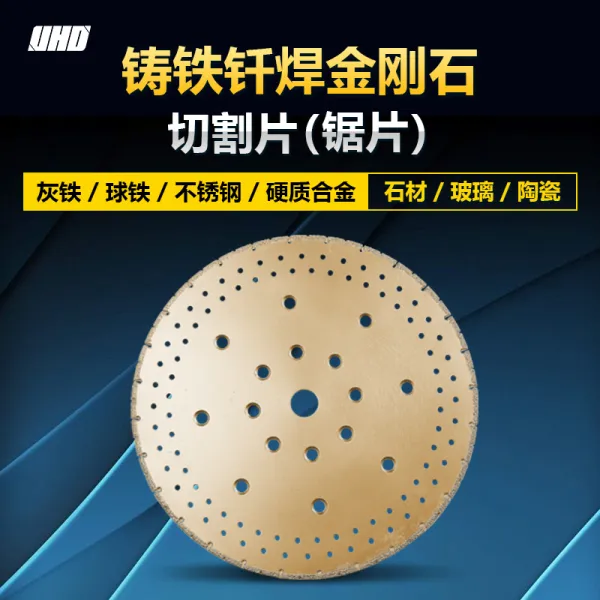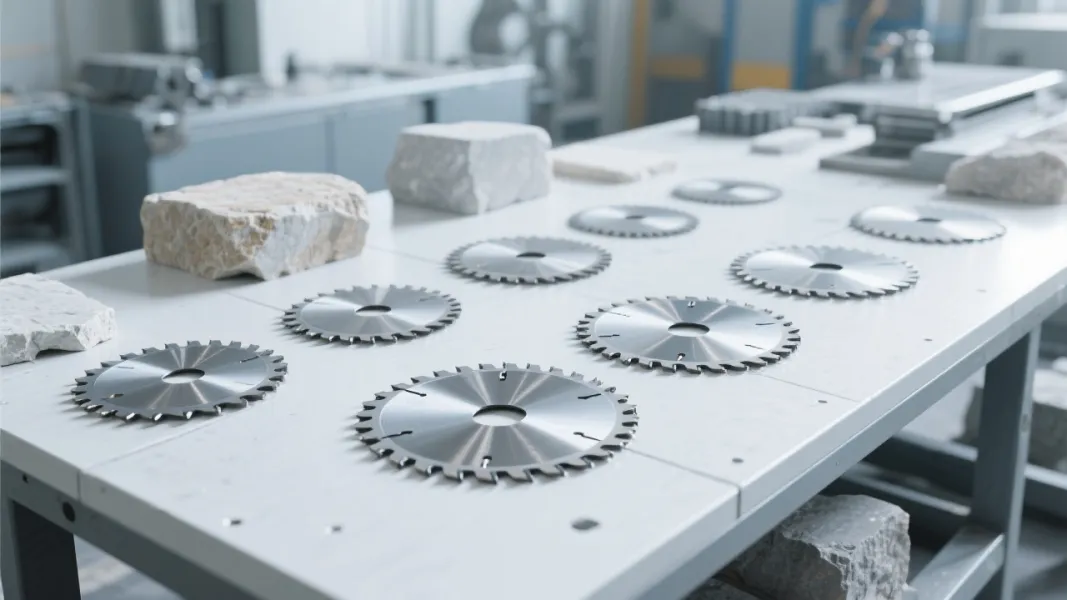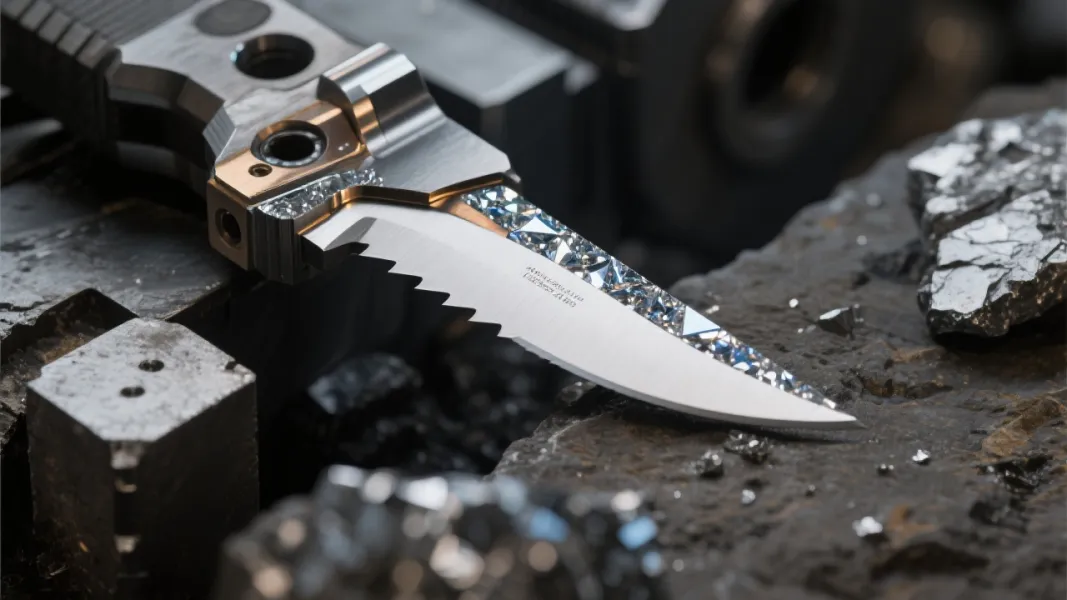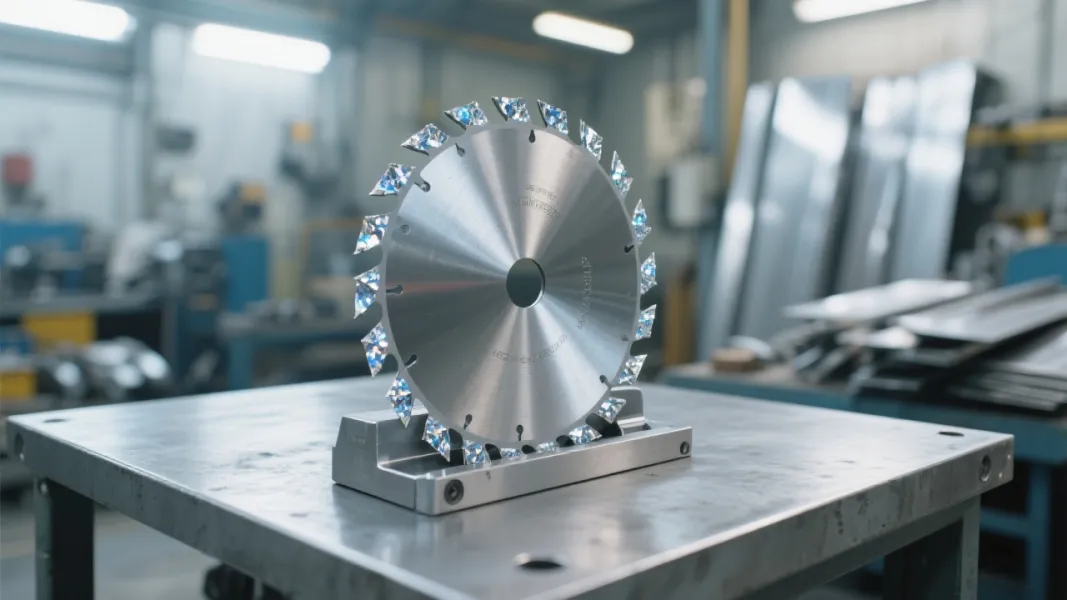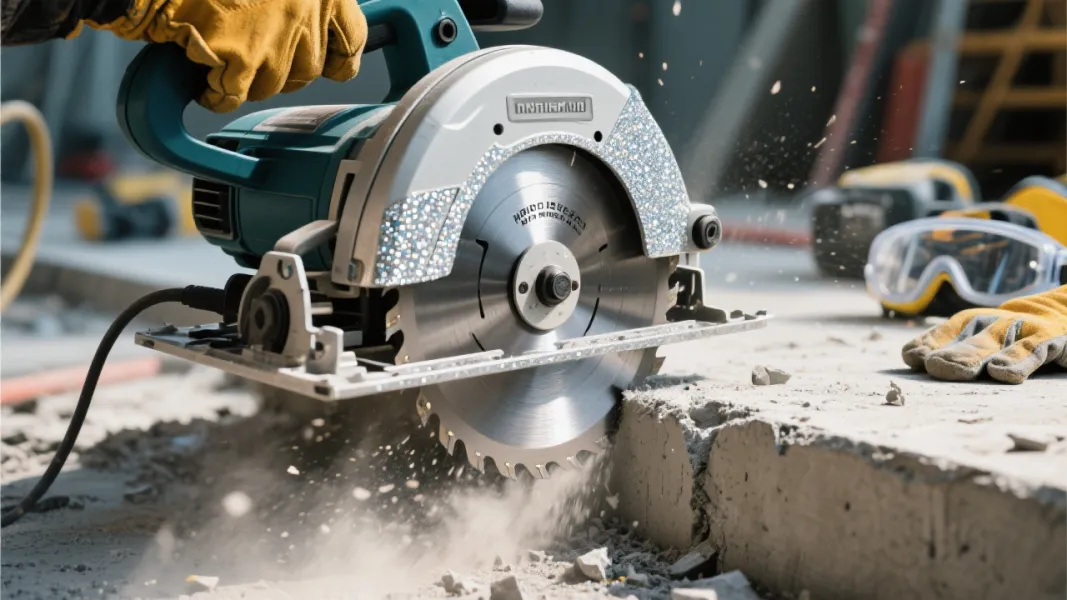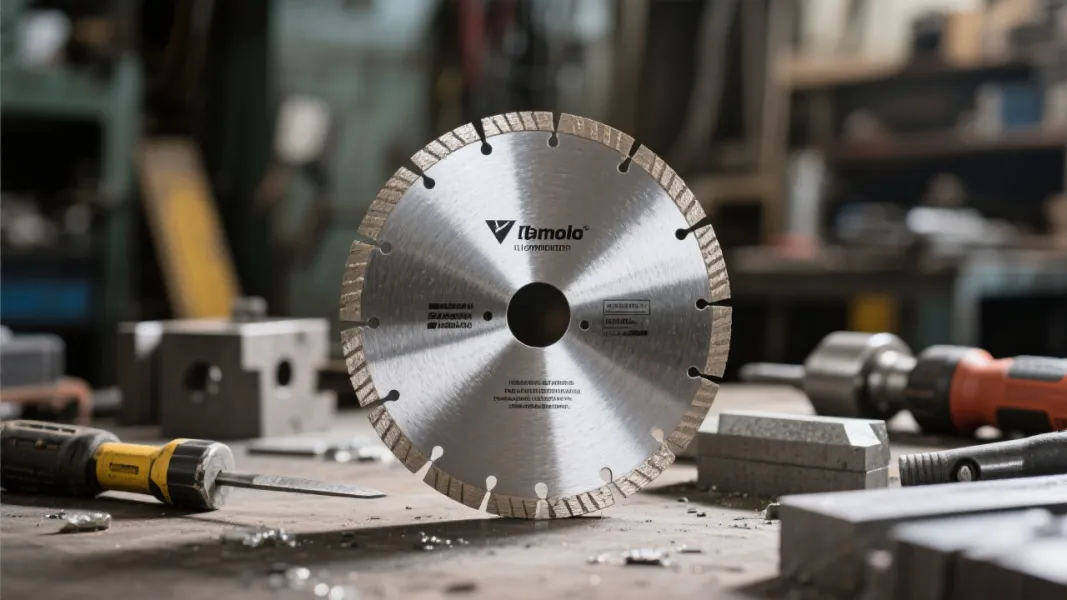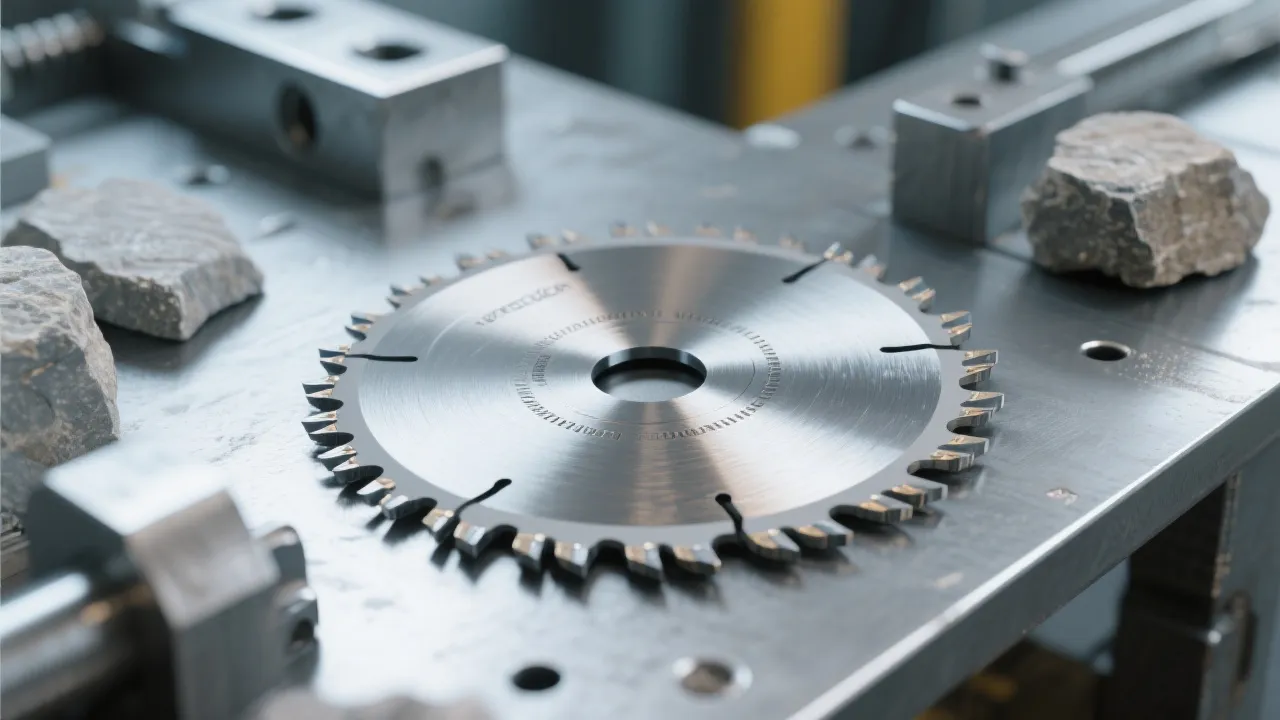
Diamond blade runout anomalies frequently disrupt cutting accuracy and jeopardize equipment safety in industrial environments. UHD’s 400H brazed diamond blades, widely used for concrete cutting and other demanding applications, exemplify blades vulnerable to such issues if not properly maintained. This guide dives deep into the root causes behind abnormal blade runout, including installation eccentricity, blade core deformation, and segment wear. Providing actionable diagnostics and maintenance techniques, it aims to empower operators and equipment supervisors with reliable measures to enhance blade lifespan and operational quality.
Runout refers to the deviation in the blade's rotation and is critical for determining cutting precision. The most common factors causing diamond blade runout include:
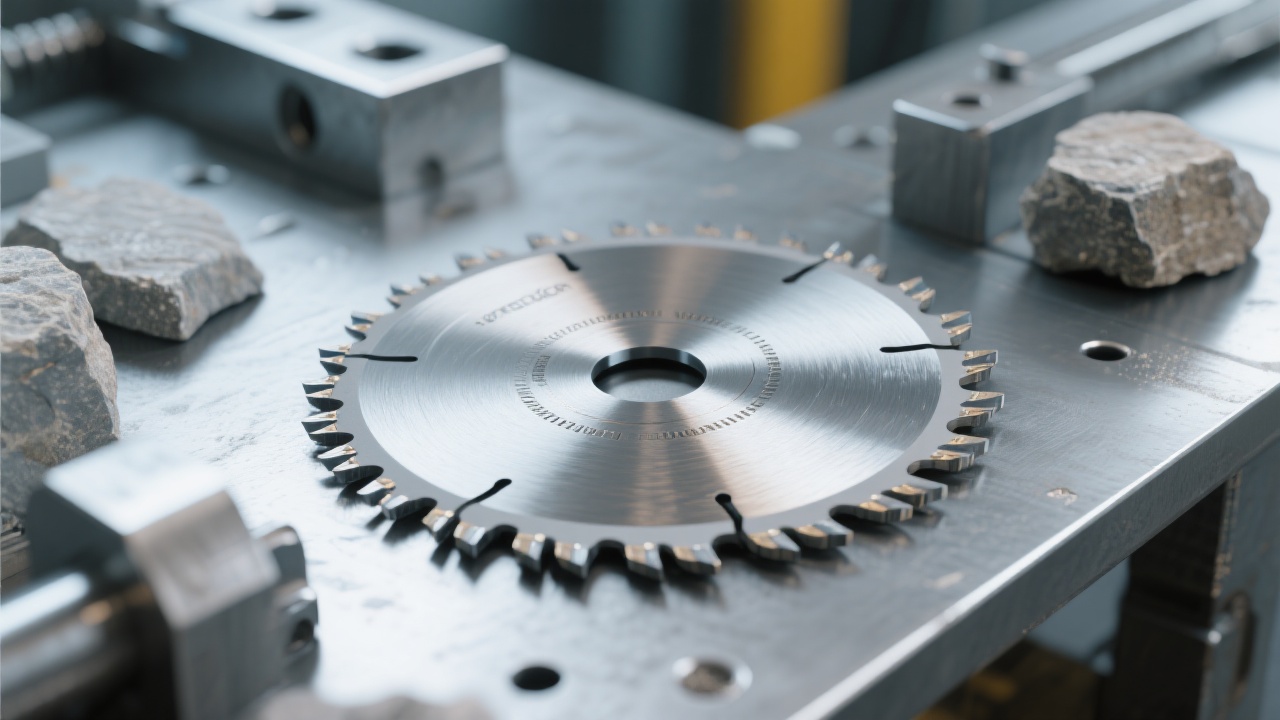
Addressing diamond blade runout abnormalities requires a structured approach focusing on inspection, detection, and correction.
Contaminants such as concrete dust, rust, or adhesive residues on the blade seat and arbor can cause misalignment. Operators must clean both surfaces using non-abrasive solvents followed by drying. Visually inspect for warping or cracks on the blade core, and check diamond segments for uniform wear.
Maintain blades in a stable, dry environment free from extreme temperatures and humidity to prevent core corrosion and deformation. Use dedicated racks to avoid mechanical shocks and deformation caused by improper stacking.
When mounting the blade, ensure it fits snugly on a clean arbor shaft. Use a dial indicator or a high-precision dial gauge to measure runout tolerance — typically, runout should not exceed 0.05 mm for UHD 400H diamond blades. Gradually tighten mounting bolts in a crisscross pattern to avoid stress concentration.
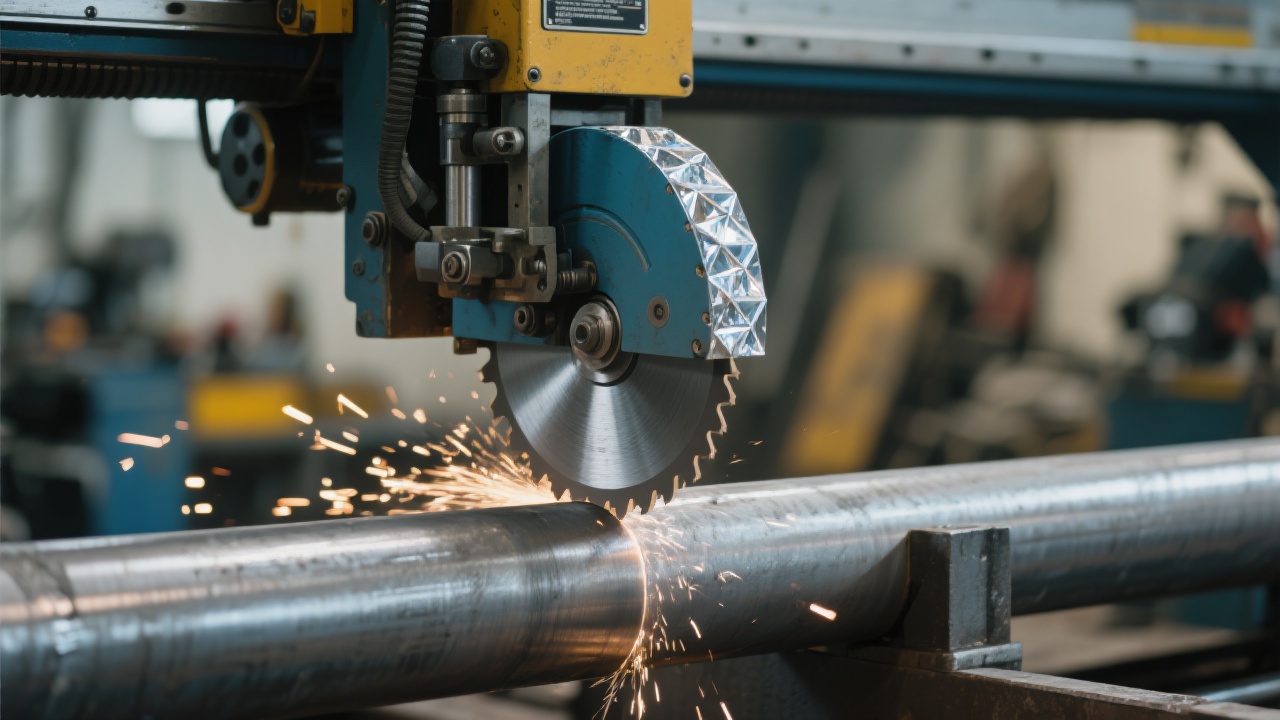
Experienced operators can detect early signs of runout issues by observing changes in vibration levels and listening to cutting noise. An irregular "chatter" or sharp metallic noise can indicate blade imbalance or segment damage. Use vibration sensors to quantify anomalies — spikes exceeding 5 mm/s RMS vibration magnitude during operation warrant immediate inspection.
In addition to technical measurements, operators should regularly check for qualitative signs:
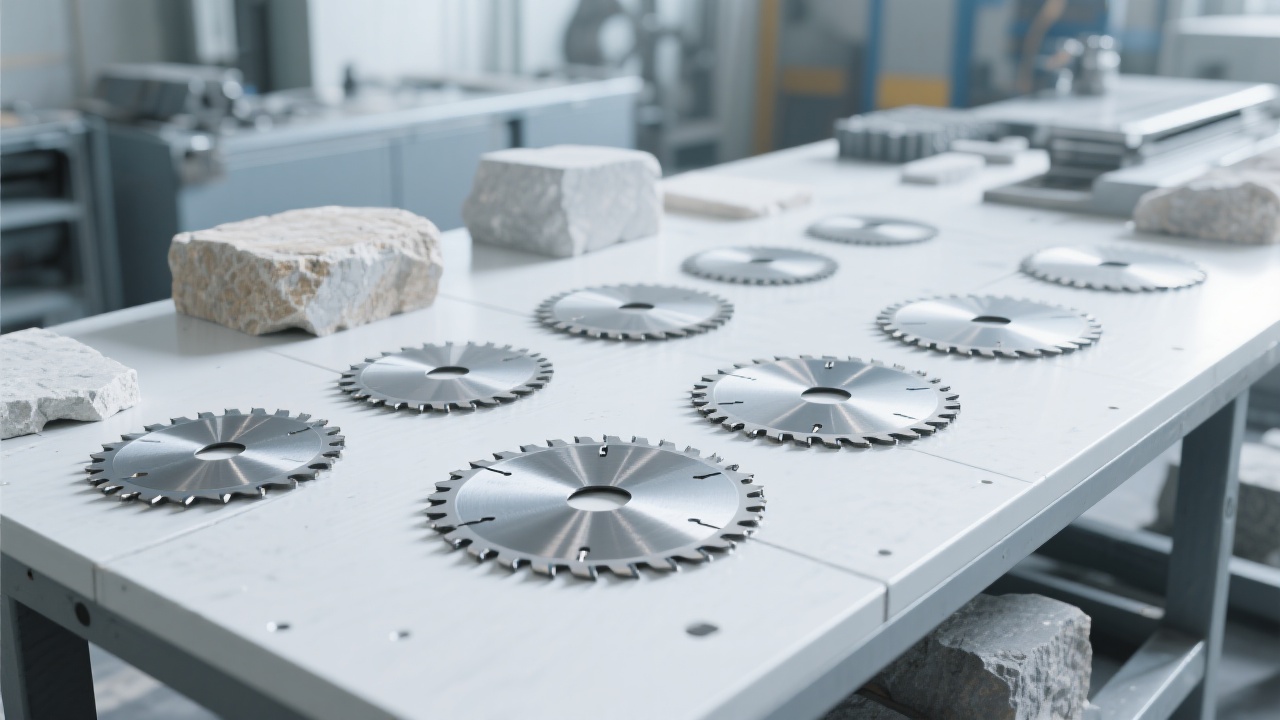
Establishing routine inspection and maintenance protocols greatly reduces unexpected downtimes. Regularly scheduled cleaning, runout checks, and vibration monitoring should form part of the workflow. Training operators to recognize early fault indicators encourages proactive maintenance and extends blade usage life.
Download Your Comprehensive UHD Diamond Blade Daily Inspection Checklist
 217
|
217
|
 400H brazed diamond saw blade
diamond saw blade cutting efficiency
welded diamond saw blade
building stone cutting tool
export hardware tool competitiveness
400H brazed diamond saw blade
diamond saw blade cutting efficiency
welded diamond saw blade
building stone cutting tool
export hardware tool competitiveness
 107
|
hard material cutting
brazed diamond saw blade
cutting efficiency
vibration control
saw blade maintenance
107
|
hard material cutting
brazed diamond saw blade
cutting efficiency
vibration control
saw blade maintenance
 487
|
Brazed Diamond Saw Blade 400H
High - efficiency Cutting Saw Blade
Concrete Cutting Tool
Stone Cutting Solution
Youde Superhard Saw Blade
487
|
Brazed Diamond Saw Blade 400H
High - efficiency Cutting Saw Blade
Concrete Cutting Tool
Stone Cutting Solution
Youde Superhard Saw Blade
 343
|
Brazed diamond saw blade
400mm saw blade
Industrial - grade cutting tool
Diamond saw blade performance
Concrete and stone cutting
343
|
Brazed diamond saw blade
400mm saw blade
Industrial - grade cutting tool
Diamond saw blade performance
Concrete and stone cutting
 124
|
wet and dry diamond blade cutting parameters
wet cutting water cooling techniques
dry cutting anti-coking methods
UHD brazed diamond blade usage
stone cutting parameter optimization
124
|
wet and dry diamond blade cutting parameters
wet cutting water cooling techniques
dry cutting anti-coking methods
UHD brazed diamond blade usage
stone cutting parameter optimization






.png?x-oss-process=image/resize,h_600,m_lfit/format,webp)
.png?x-oss-process=image/resize,h_600,m_lfit/format,webp)
.png?x-oss-process=image/resize,h_600,m_lfit/format,webp)