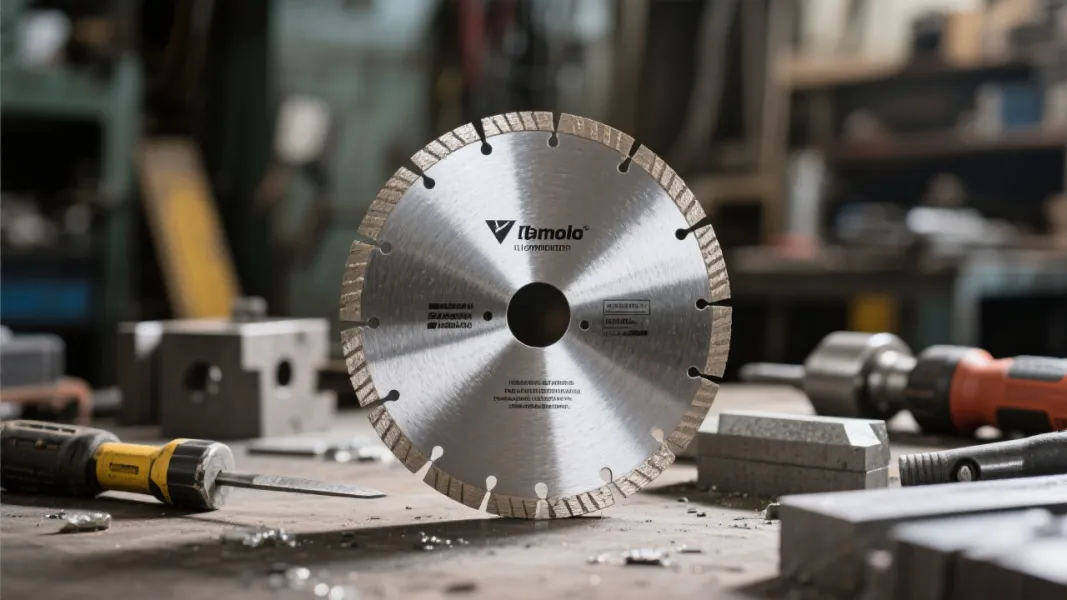
In today’s rapidly evolving industrial cutting tools market, choosing the right diamond saw blade is critical not only for operational efficiency but also for sustaining global export competitiveness. UHD’s insights dive deep into essential performance indicators such as diameter compatibility, diamond grit quality, bonding materials, and structural heat dissipation design. This guide targets procurement managers, machine operators, and technical engineers, offering practical methodologies to identify blades that excel in value and versatility for cutting diverse hard materials.
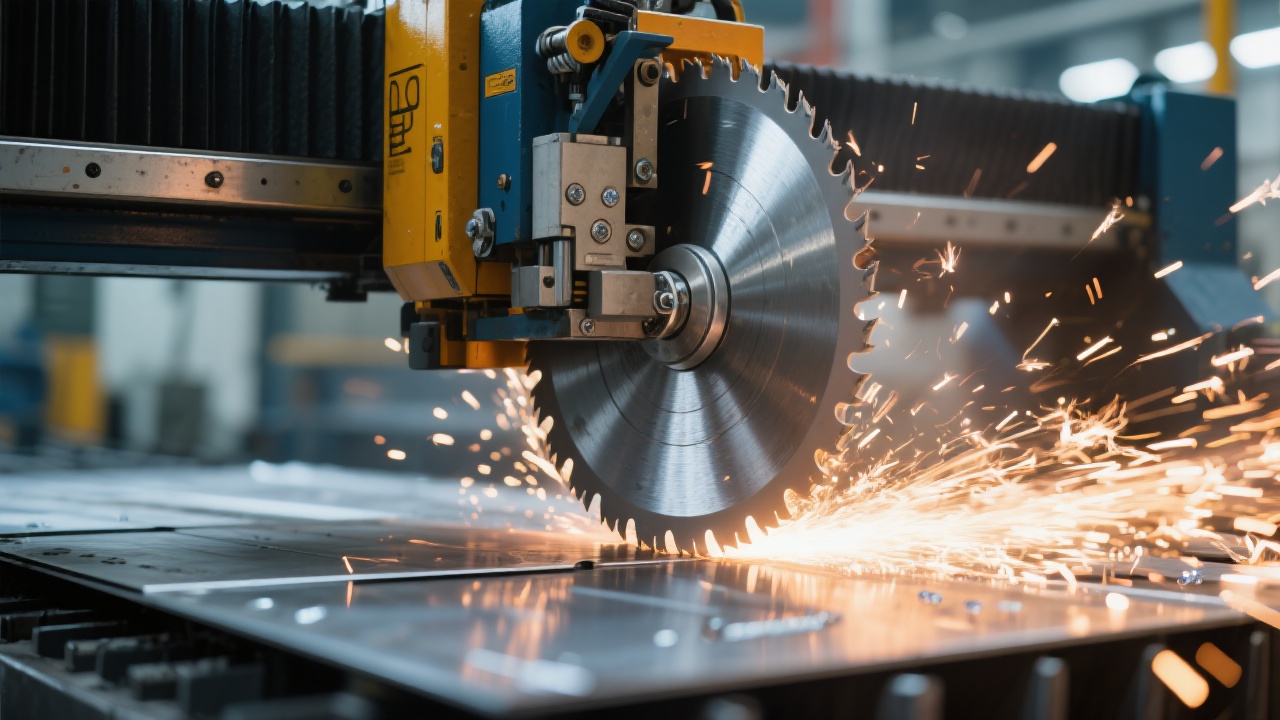
The current industrial cutting sector faces increasing demands for multifunctionality, enhanced wear resistance, and compliance with green safety standards. With stone processing—a sector particularly reliant on precise and durable cutting tools such as diamond blades—users encounter frequent tool replacement issues, inconsistent cut quality, and escalating operational costs. Procurement teams grapple with selecting blades that balance cost with long service life, while operators seek user-friendly products that minimize downtime.
Industry Insight: According to a recent Global Industrial Tools Market Report (2023), blades optimized for heat dissipation and multi-material compatibility can reduce replacement frequency by up to 30%, significantly lowering total cost of ownership.
1. Diameter Matching: Selecting the correct diameter ensures optimal rotational speed and torque compatibility with cutting machinery. Mismatches can lead to reduced cutting precision and accelerated blade wear.
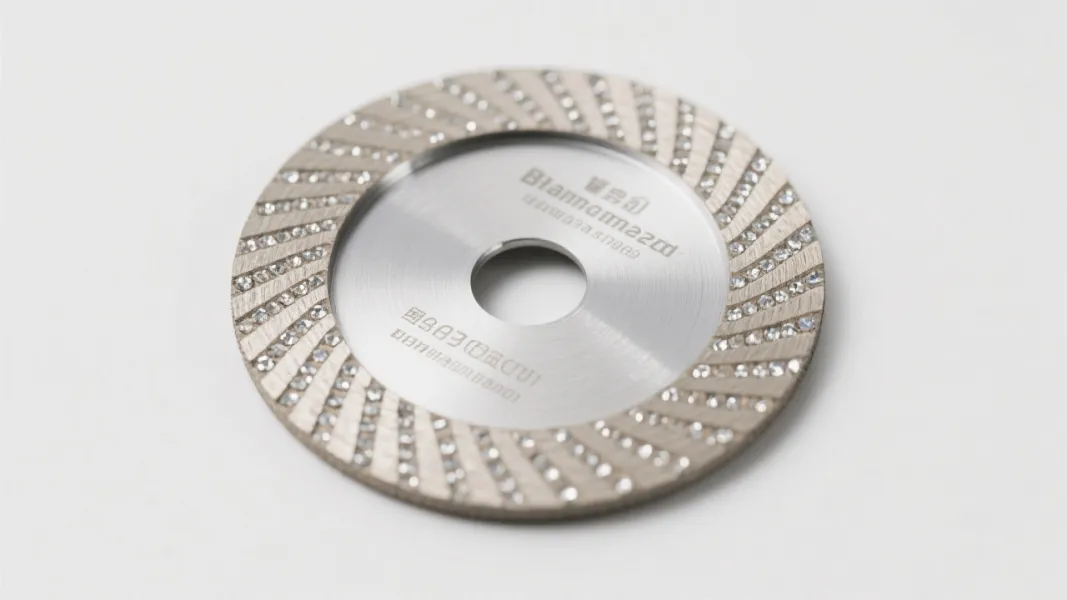
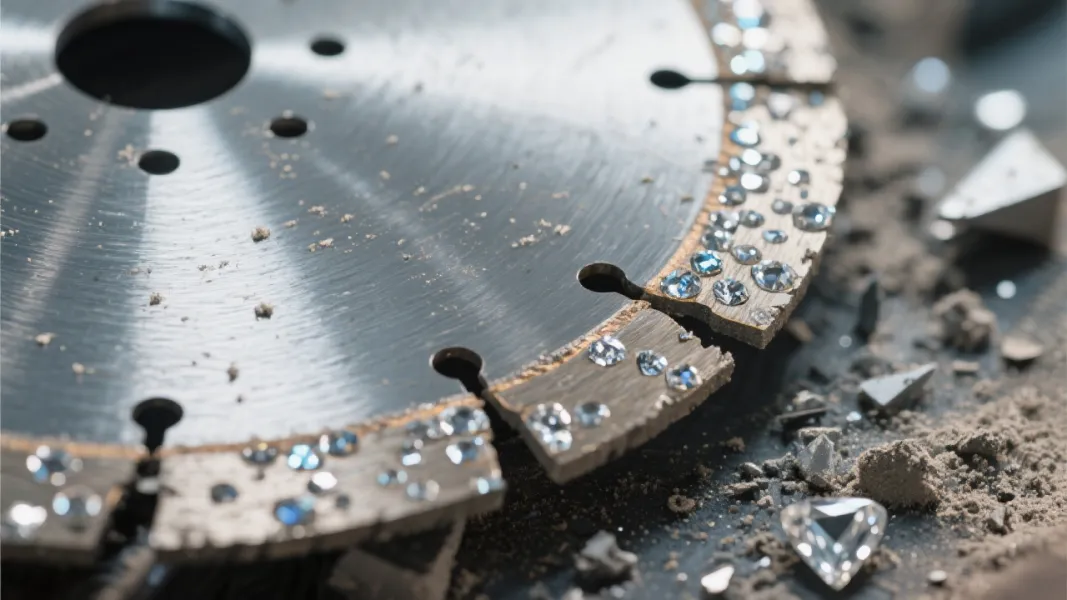
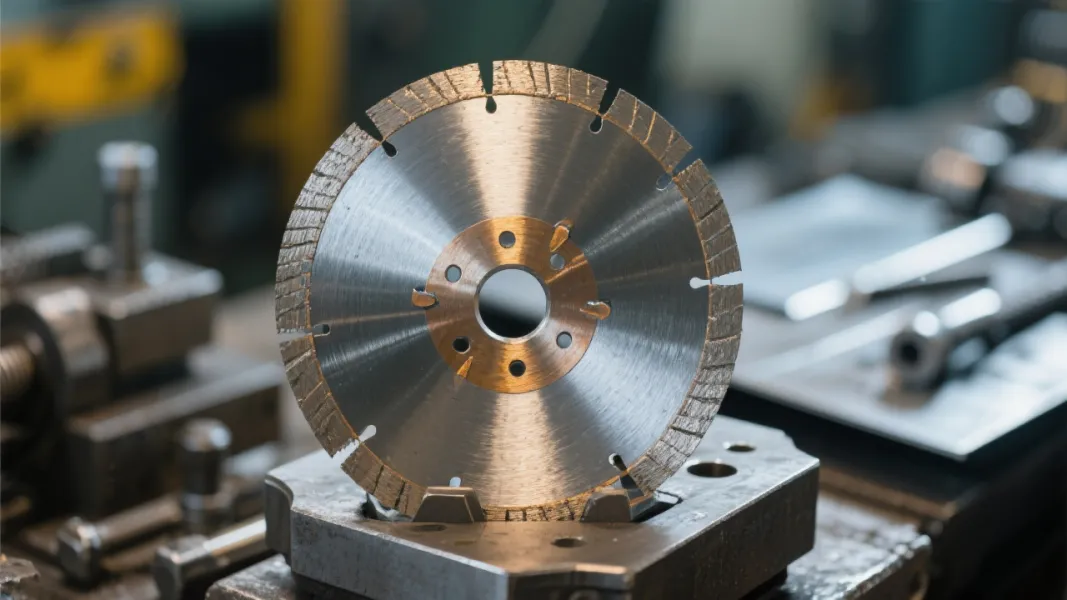
2. Diamond Grit Quality and Concentration: High-grade synthetic diamond particles uniformly distributed within the blade matrix drastically improve cutting sharpness and service life. A grit concentration between 70-85% balances sharpness and durability for stone and granite applications.
3. Bonding Agent Composition: Resinoid, metal, and electroplated bonds serve varied cutting contexts. For heavy-duty industrial use, metal bonds offer superior wear resistance, whereas resinoid bonds better suit finer finishing tasks.
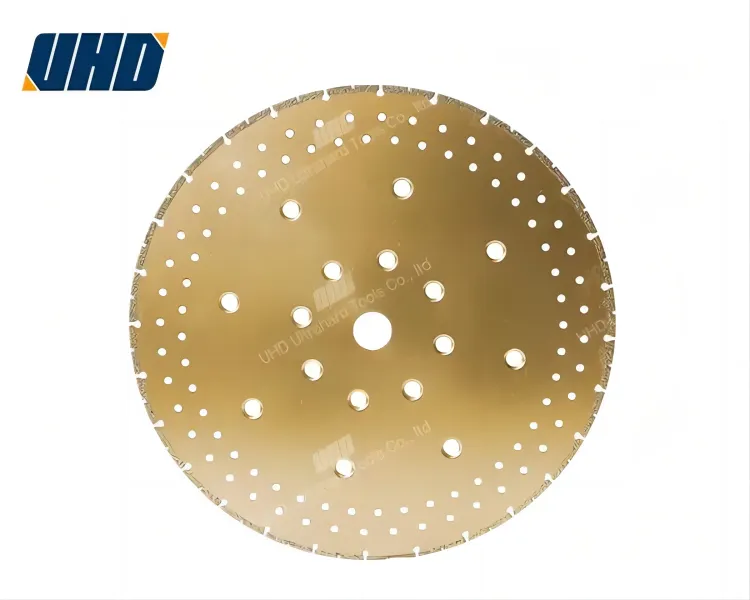
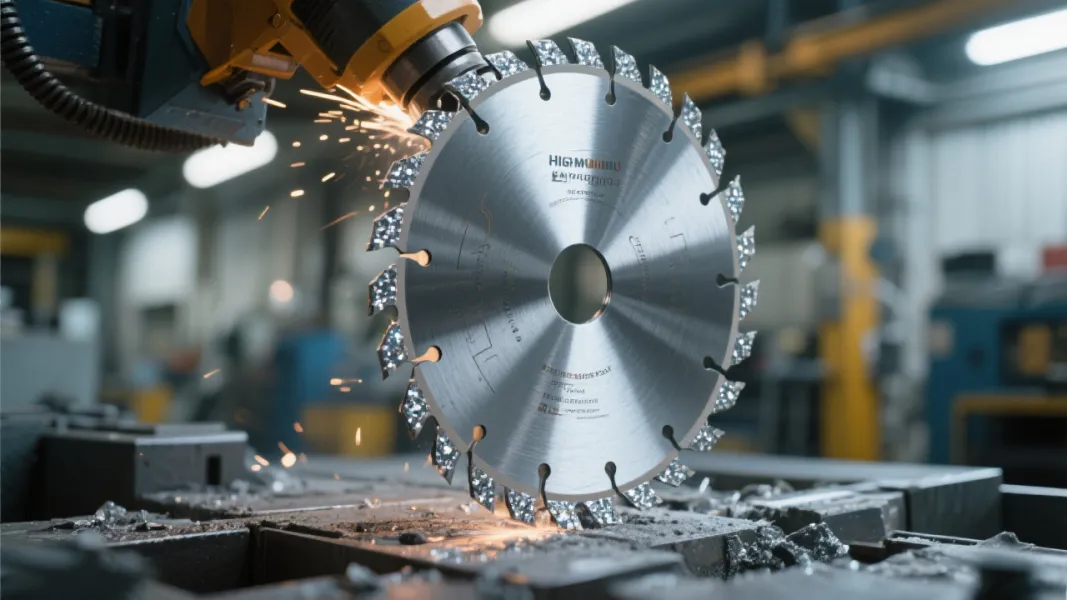
4. Structural Design and Heat Dissipation: Advanced segment design, including laser-cut gullets and internal cooling channels, maintain lower operating temperatures, preventing blade warping and performance degradation.
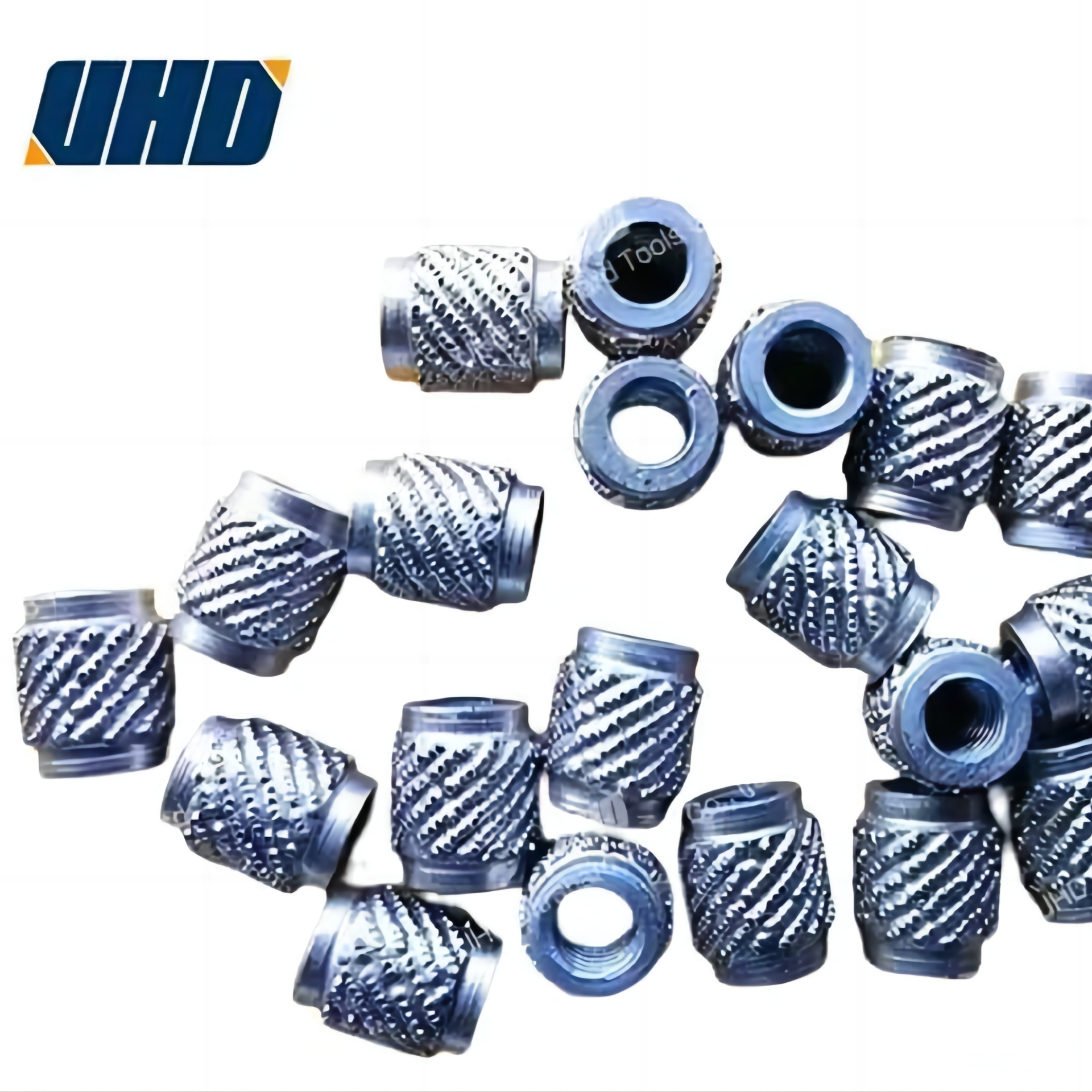
Modern diamond saw blades incorporate multifunctional attributes enabling efficient processing of varied materials— from granite and marble to engineered stone composites. UHD emphasizes enhanced wear resistance through proprietary bonding enhancements and ultra-fine diamond grit. Concurrently, eco-friendly manufacturing processes adhering to ISO9001 and related environmental standards contribute to safer workplace environments.
Is frequent blade replacement disrupting your operations? Selecting a blade with optimal wear resistance and cooling designs can transform your downtime into consistent productivity.
Procurement Managers: Prioritize blades with verified ISO9001 quality certification and supported third-party test data. Evaluate total lifecycle costs instead of upfront price alone to maximize ROI.
Machine Operators: Focus on blades with user-friendly mounting features and stable cutting behavior to reduce operator fatigue and enhance safety.
Technical Engineers: Analyze diamond grit distribution and bonding agent suitability for target materials. Recommend blades with sophisticated heat dissipation structures to minimize thermal damage during prolonged cuts.
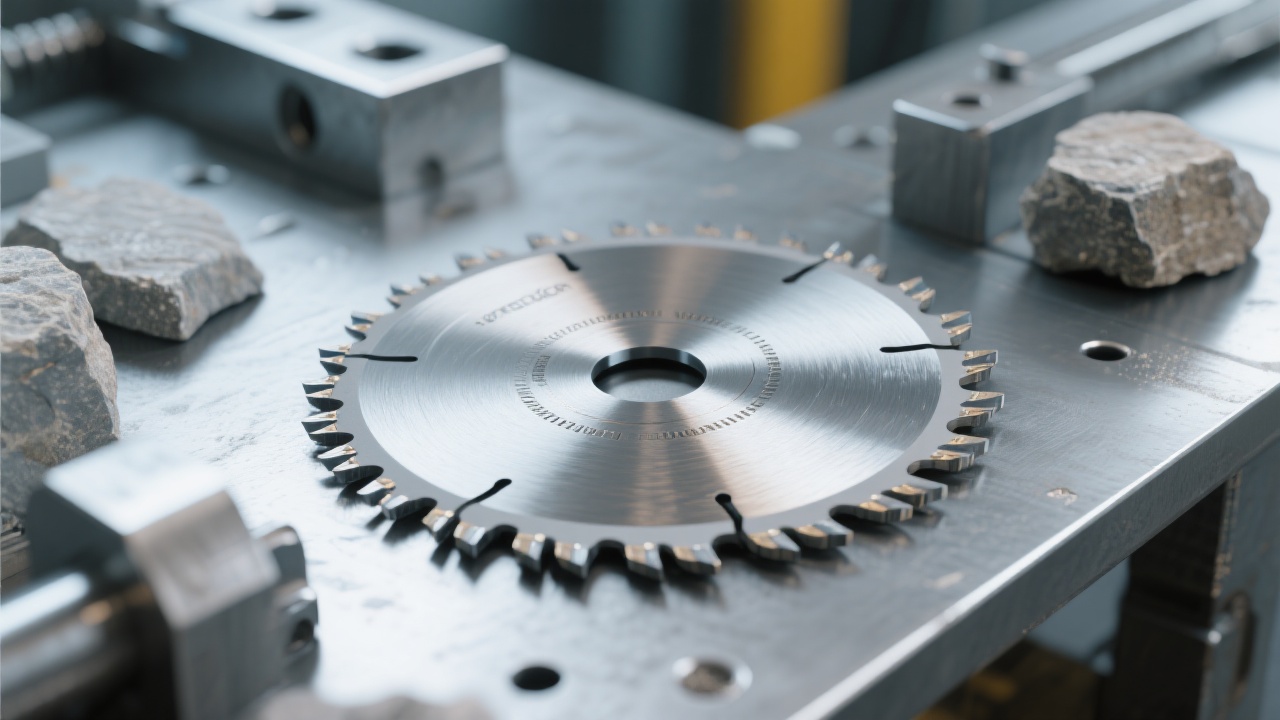
Many users underestimate the impact of structural design innovations on cutting efficiency or assume high grit concentration unequivocally guarantees longevity. However, an imbalance can cause premature blade failure. UHD recommends establishing a knowledge base integrating real usage feedback and industry benchmarks to shape informed purchasing and operational strategies.
Robust pre-sale and after-sale technical services—ranging from application support to customized blade recommendations—are crucial in cementing customer trust and fostering sustainable partnerships.
 379
|
379
|
 bi-use diamond saw blade
brazed diamond blade cutting parameters
wet cutting water cooling techniques
dry cutting anti-sintering methods
cutting efficiency optimization
bi-use diamond saw blade
brazed diamond blade cutting parameters
wet cutting water cooling techniques
dry cutting anti-sintering methods
cutting efficiency optimization
 297
|
CE certification
industrial saw blades
brazed diamond saw blades
reinforced brazing technology
heat dissipation design
297
|
CE certification
industrial saw blades
brazed diamond saw blades
reinforced brazing technology
heat dissipation design
 423
|
400mm brazed diamond saw blade
enhanced bonding brazing technology
concrete cutting blade
granite and marble cutting
heat dissipation and vibration reduction
423
|
400mm brazed diamond saw blade
enhanced bonding brazing technology
concrete cutting blade
granite and marble cutting
heat dissipation and vibration reduction
 175
|
hard material cutting efficiency
diamond saw blade optimization
bonding technology for diamond tools
vibration control in cutting
wet vs dry cutting
175
|
hard material cutting efficiency
diamond saw blade optimization
bonding technology for diamond tools
vibration control in cutting
wet vs dry cutting
 465
|
400mm brazed diamond saw blade
diamond saw blade efficiency
hard material cutting tools
saw blade heat dissipation
industrial cutting solutions
465
|
400mm brazed diamond saw blade
diamond saw blade efficiency
hard material cutting tools
saw blade heat dissipation
industrial cutting solutions






.png?x-oss-process=image/resize,h_600,m_lfit/format,webp)
.png?x-oss-process=image/resize,h_600,m_lfit/format,webp)