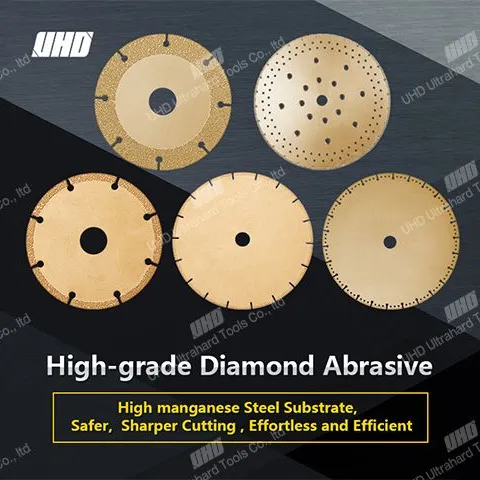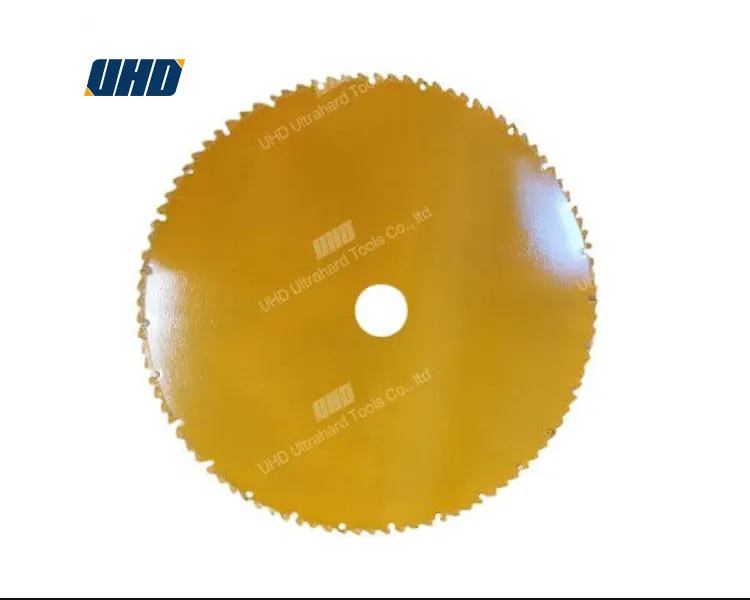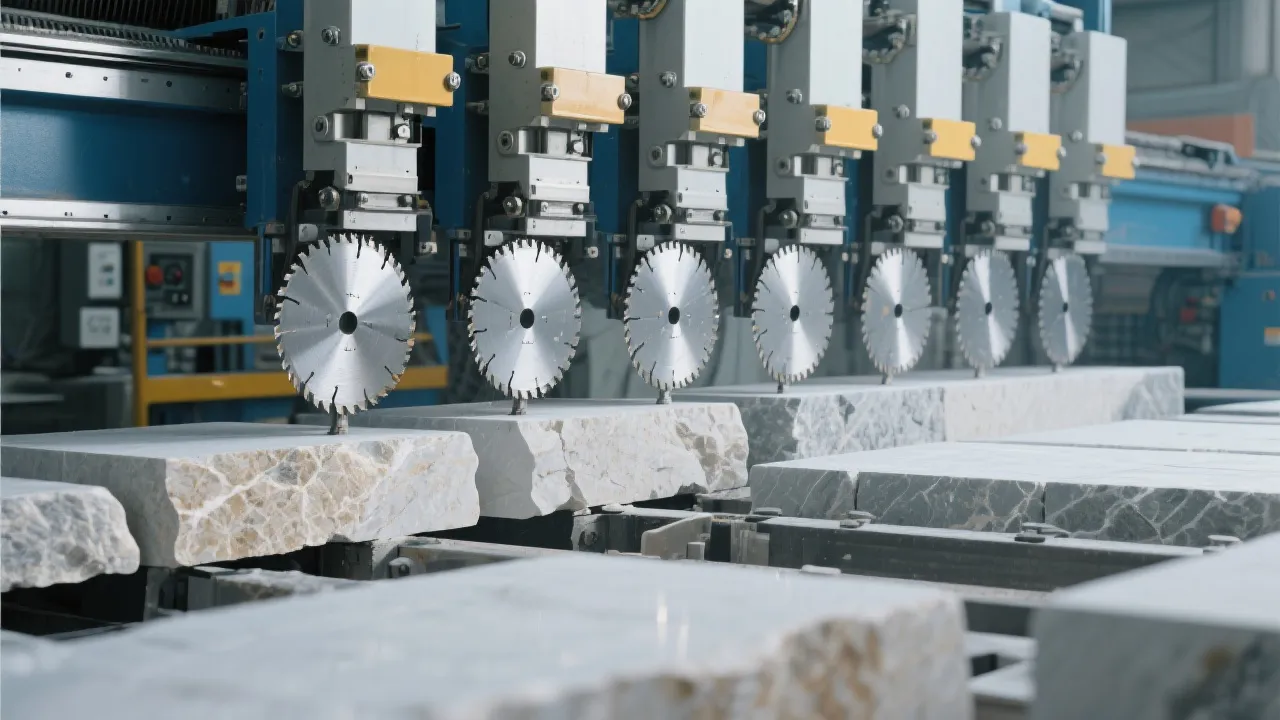
When working with wet and dry diamond blades, your cutting precision and safety hinge on mastering key operational techniques. Whether you’re processing stone, concrete, or ceramics, understanding how to optimize your cutting parameters while preventing blade wear and overheating is critical. This guide walks you through practical tips, backed by frontline engineer insights, to help you unleash the full potential of UHD Ultra-hard 400H brazed diamond blades.
In wet cutting, controlled water flow serves as the primary cooling and dust suppression mechanism, reducing blade temperature by up to 15% compared to dry cutting. Proper water management extends blade life by preventing overheating and premature teeth wear.
Dry cutting, by contrast, demands precise adjustment of rotational speed and feed rate to avoid blade glazing and burn marks. Without water cooling, the blade relies heavily on advanced brazing and internal heat dissipation design — like those of the UHD Ultra-hard 400H — to maintain stability under harsh conditions.
| Material | Cutting Speed (m/s) | Feed Rate (mm/s) | Cooling Method |
|---|---|---|---|
| Natural Stone | 25-30 | 1.5-2 | Wet Cutting (Steady Flow) |
| Concrete | 30-35 | 2-2.5 | Wet or Dry (Adjusted Speed) |
| Ceramics | 20-25 | 1-1.5 | Wet Cutting Recommended |
In wet cutting scenarios, maintaining a steady, controlled water flow is vital. Excessive water may reduce cutting efficiency, while insufficient flow risks overheating. Aim for a flow rate of approximately 3-5 liters per minute, directed precisely at the cutting edge to optimize cooling and dust suppression.
Proper water control ensures effective temperature reduction—studies show a 12-15% drop in blade operating temperatures with consistent flow—prolonging blade life and protecting auxiliary equipment from thermal damage.
Dry cutting requires you to optimize rotational speed and feed rate carefully. Operating speeds exceeding recommended parameters can lead to blade glazing—a form of heat-induced wear that dulls diamond edges.
Using the UHD Ultra-hard 400H, which combines reinforced brazing technology with internal heat dissipation channels, allows for a 10% higher operational threshold compared with conventional blades. However, for best results, keep rotational speed within 25-30 m/s and feed rate between 1.5-2 mm/s, adjusting based on material hardness.
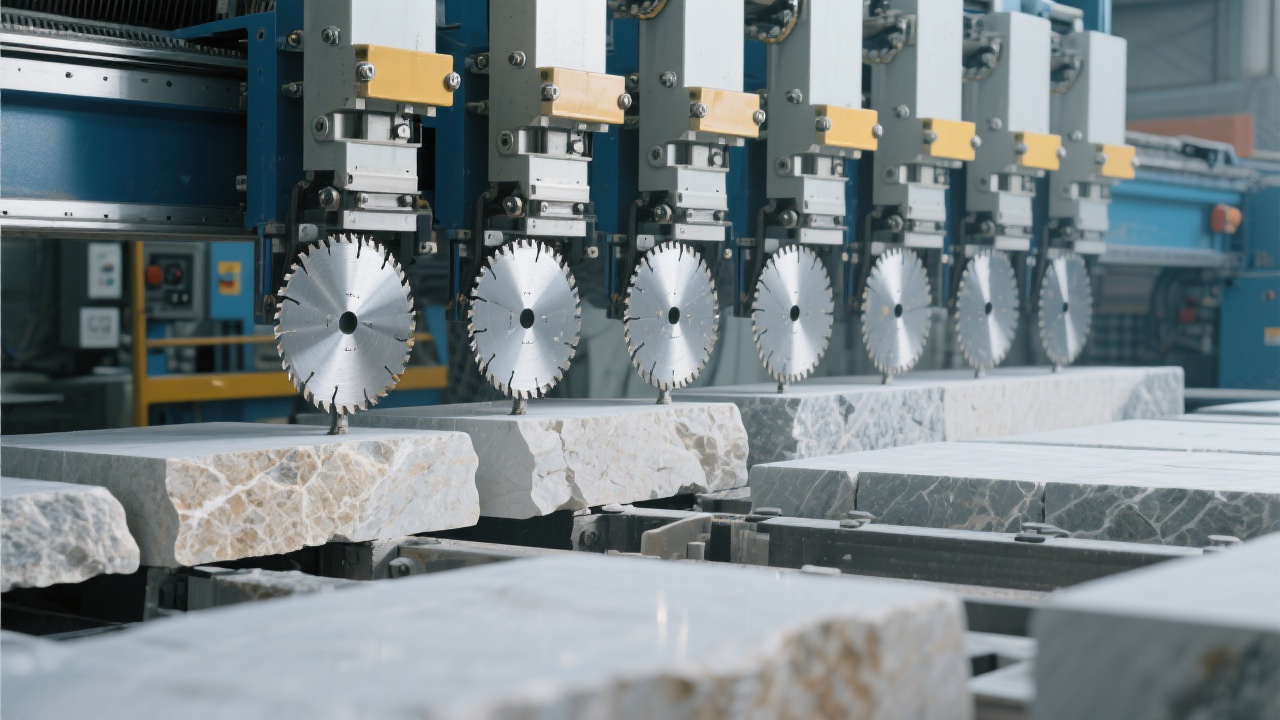
Professional operators counter these by monitoring blade temperature in real time, using dust extraction systems, and maintaining recommended flow rates.
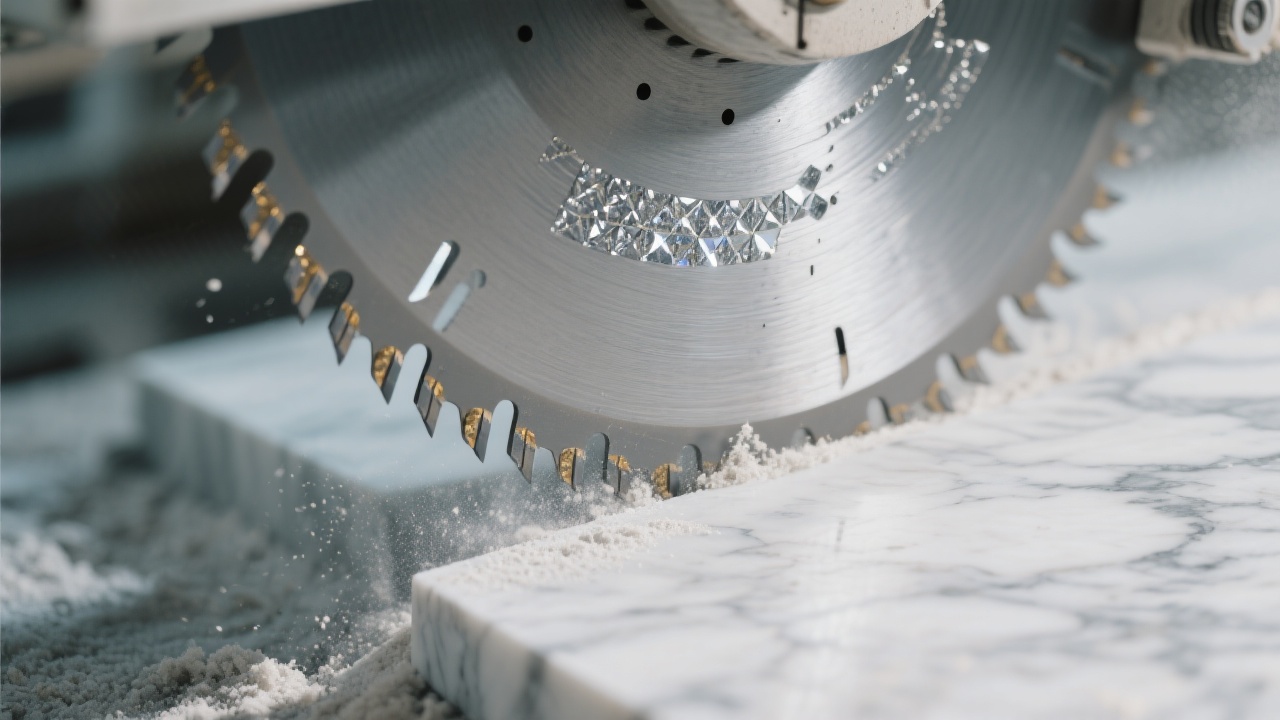
Field engineers emphasize regular blade inspection for wear and chipping, timely replacement, and adherence to operational protocols. It’s also recommended to rotate blade usage between wet and dry applications carefully to maximize lifespan without compromising performance.
A consistent maintenance routine, combined with the advanced design of UHD Ultra-hard 400H blades, can increase blade lifecycle up to 30% compared with standard diamond blades.
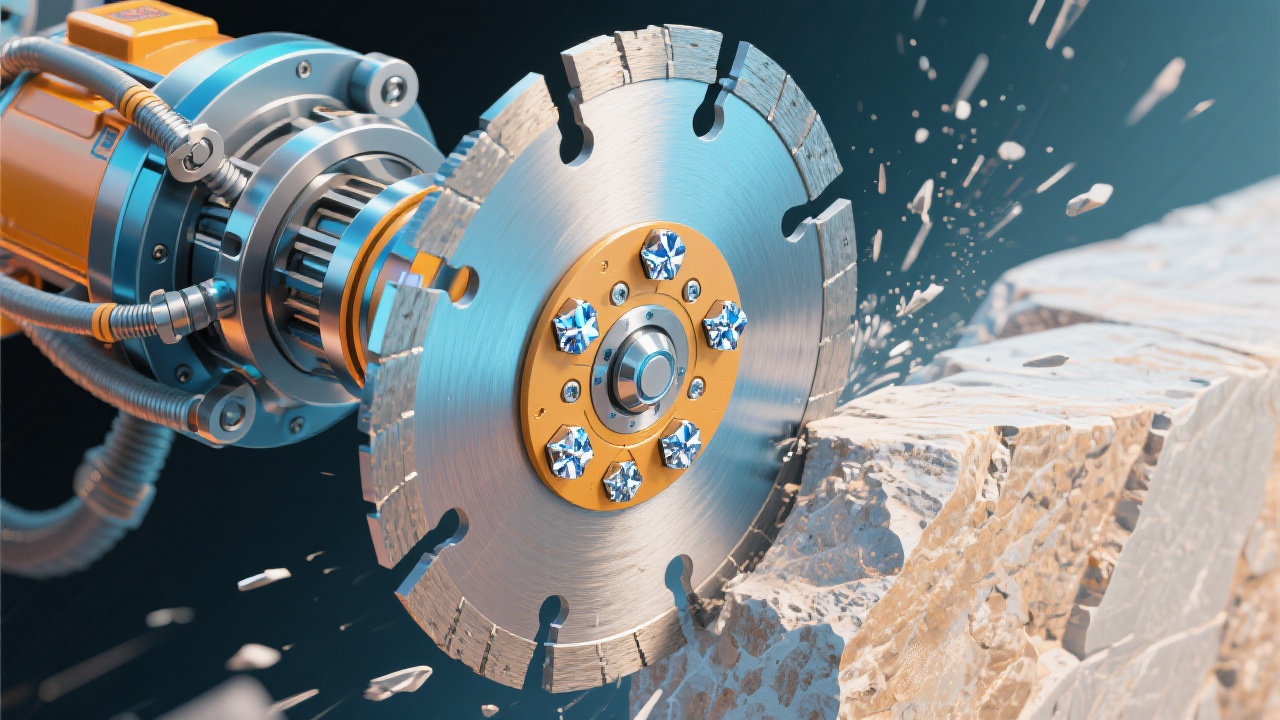
What has been your biggest challenge when switching between wet and dry cutting? Share your experience or ask for tailored advice in the comments below—we're here to help you optimize your workflow.
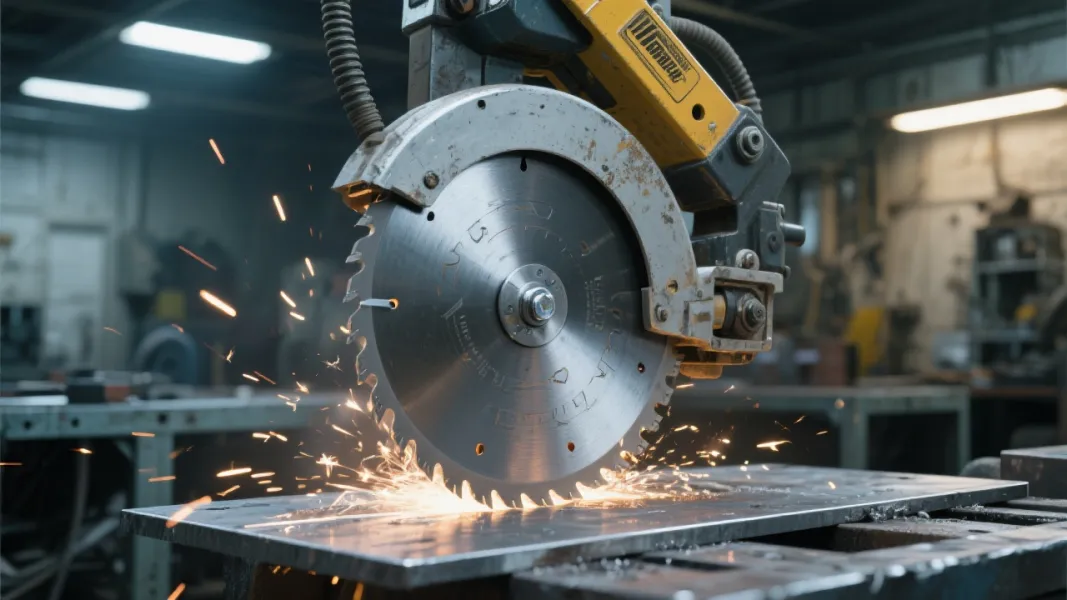
 409
|
409
|
 diamond saw blade replacement standards
blade aging detection
saw blade maintenance tips
diamond blade failure diagnosis
extending saw blade life
diamond saw blade replacement standards
blade aging detection
saw blade maintenance tips
diamond blade failure diagnosis
extending saw blade life
 77
|
Grinding wheel dressing techniques
Automatic grinding equipment maintenance
Diamond grinding wheel life extension
Grinding efficiency optimization
Preventive maintenance solutions
77
|
Grinding wheel dressing techniques
Automatic grinding equipment maintenance
Diamond grinding wheel life extension
Grinding efficiency optimization
Preventive maintenance solutions
 444
|
brazed diamond saw blade
stone cutting efficiency
400H diamond blade
diamond blade durability
professional stone cutting tools
444
|
brazed diamond saw blade
stone cutting efficiency
400H diamond blade
diamond blade durability
professional stone cutting tools
 230
|
Wet/dry dual-purpose saw blade
Brazed diamond saw blade
Cutting precision
Water-cooled cutting
Saw blade life extension
85
|
dry wet cutting equipment
handheld cutting tools for construction
diamond blade compatibility
industrial cutting solutions
cutting equipment maintenance
230
|
Wet/dry dual-purpose saw blade
Brazed diamond saw blade
Cutting precision
Water-cooled cutting
Saw blade life extension
85
|
dry wet cutting equipment
handheld cutting tools for construction
diamond blade compatibility
industrial cutting solutions
cutting equipment maintenance