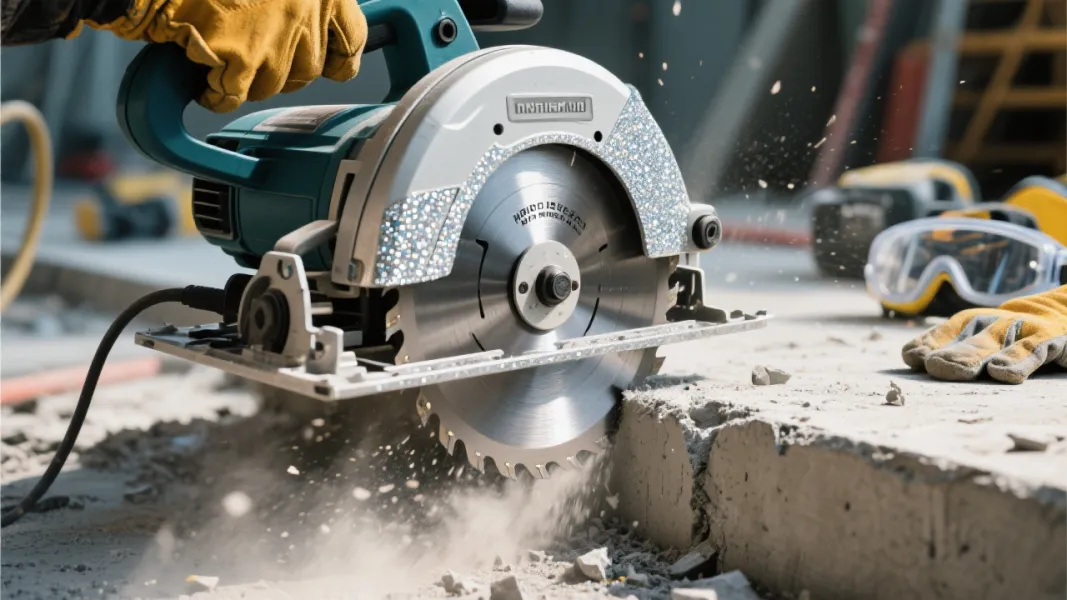
Cutting hard materials presents a set of unique challenges that affect productivity, cost, and safety on site. The inefficiencies commonly encountered include slow cutting speeds, rapid tool wear, blade overheating, and uneven cuts. These issues often stem from a combination of factors such as material hardness, improper equipment matching, inadequate cooling methods, and suboptimal saw blade designs. This article discusses these core problems in detail, supported by relevant data and actual use cases, while exploring advanced technological solutions like the adoption of high-strength brazed diamond blades, innovative heat dissipation structures, and optimized wet and dry cutting procedures. The goal is to equip professionals and buyers with actionable insights to enhance cutting efficiency and operational safety.
Hard materials, including concrete, granite, and engineered composites, require cutting tools capable of withstanding extreme mechanical stresses. For example, concrete with a compressive strength exceeding 30 MPa significantly accelerates blade wear. A study by the International Abrasives Association finds that conventional steel blades can experience up to 50% blade life reduction when cutting such dense materials without optimized cooling or blade design.
Equipment mismatches often exacerbate problems — using low-powered or ill-fitted saws leads to insufficient torque and inconsistent blade speed, creating cutting noise and vibration that degrade finish quality. Additionally, without proper cooling strategies, friction generates high blade temperatures, sometimes exceeding 200°C, which compromises the brazing layer’s integrity and precipitates premature tool failure.
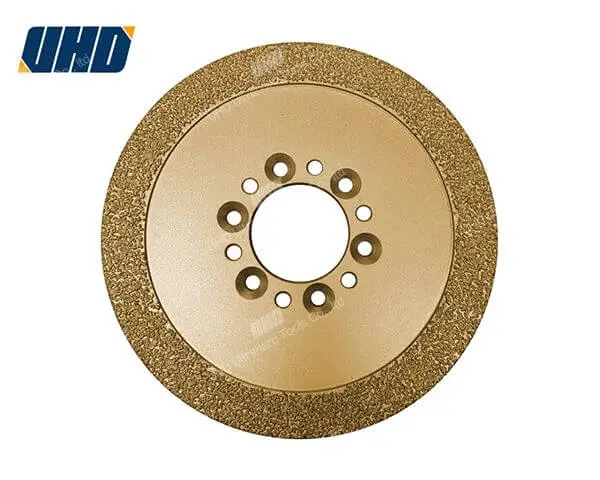
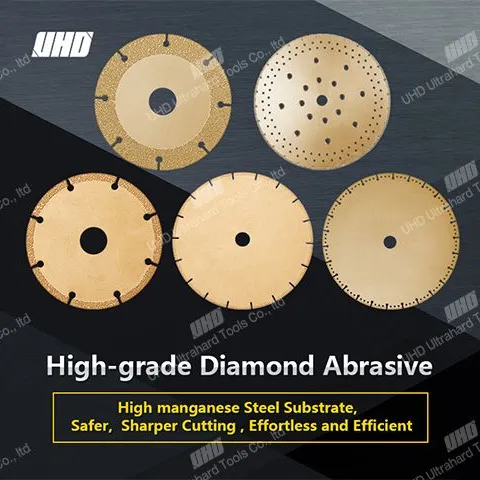
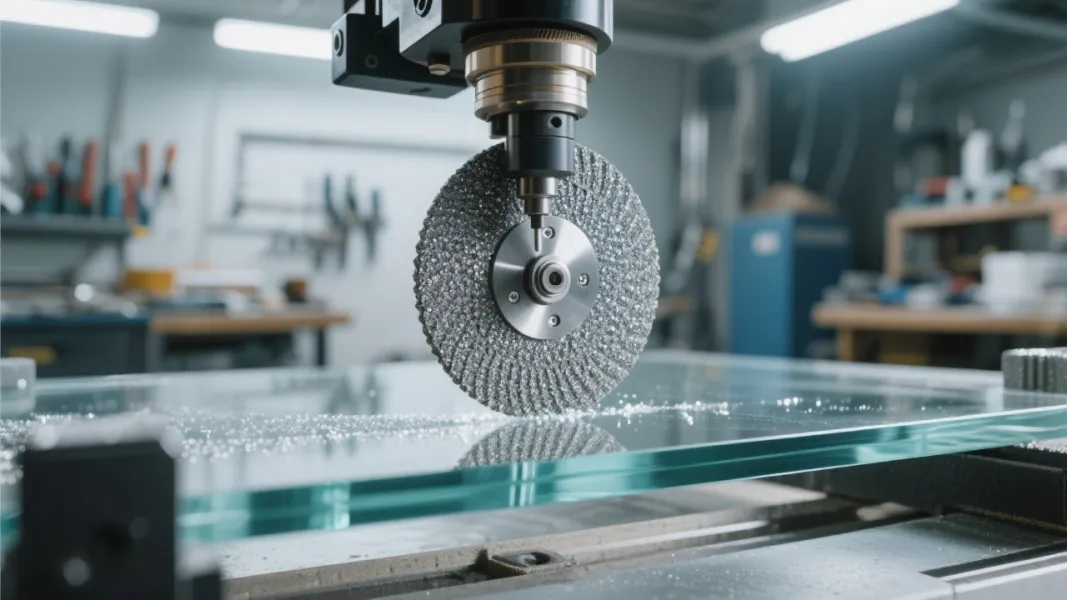
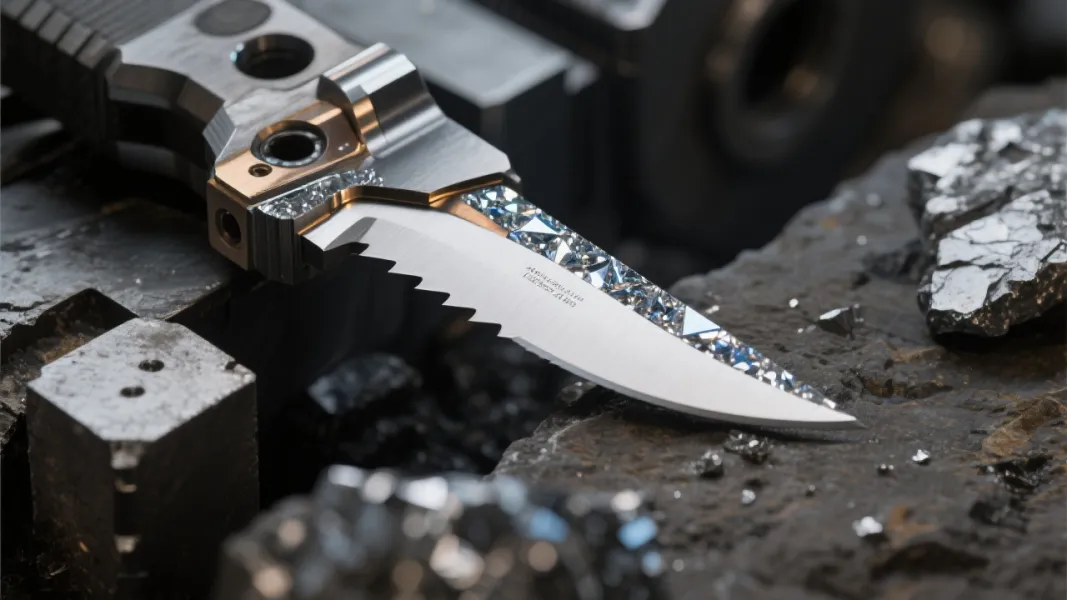
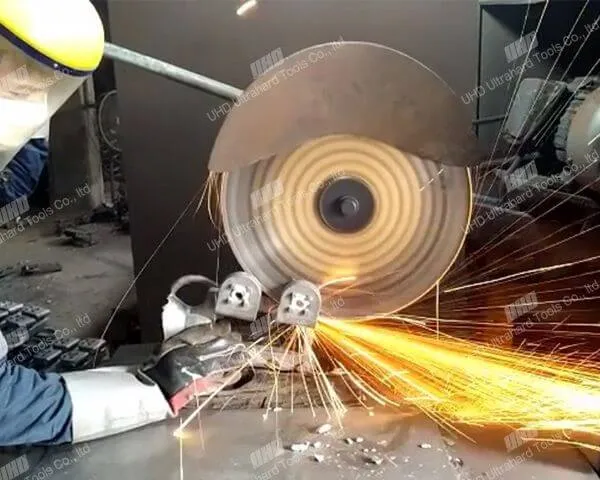
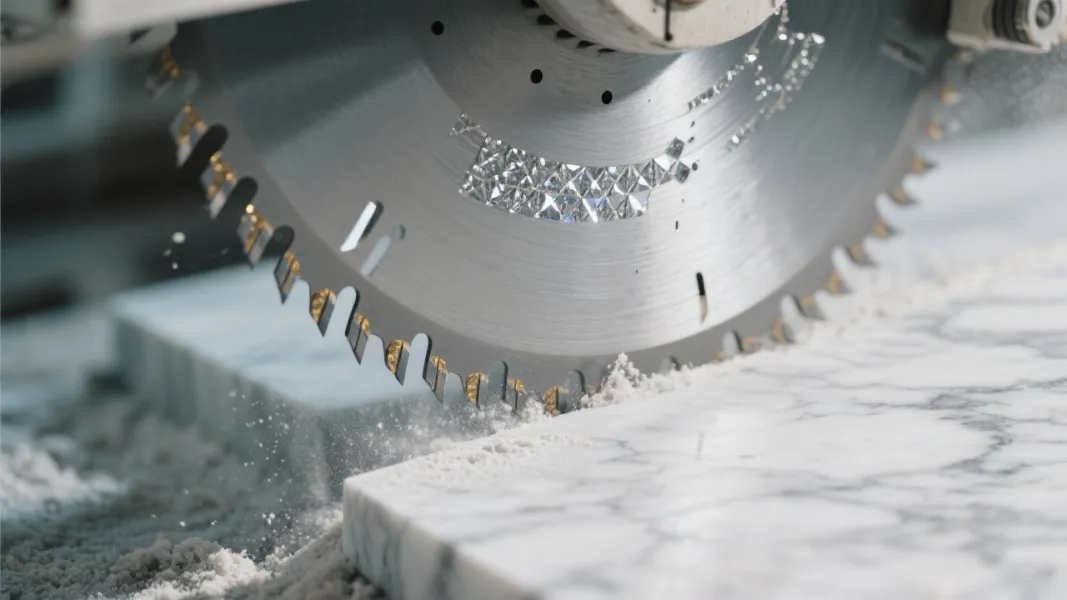
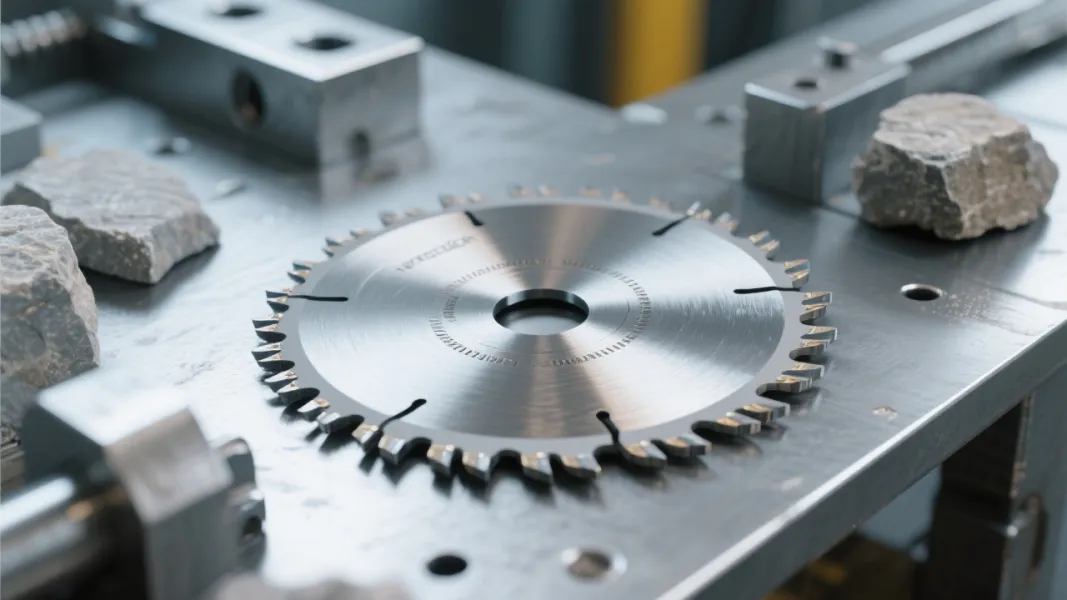
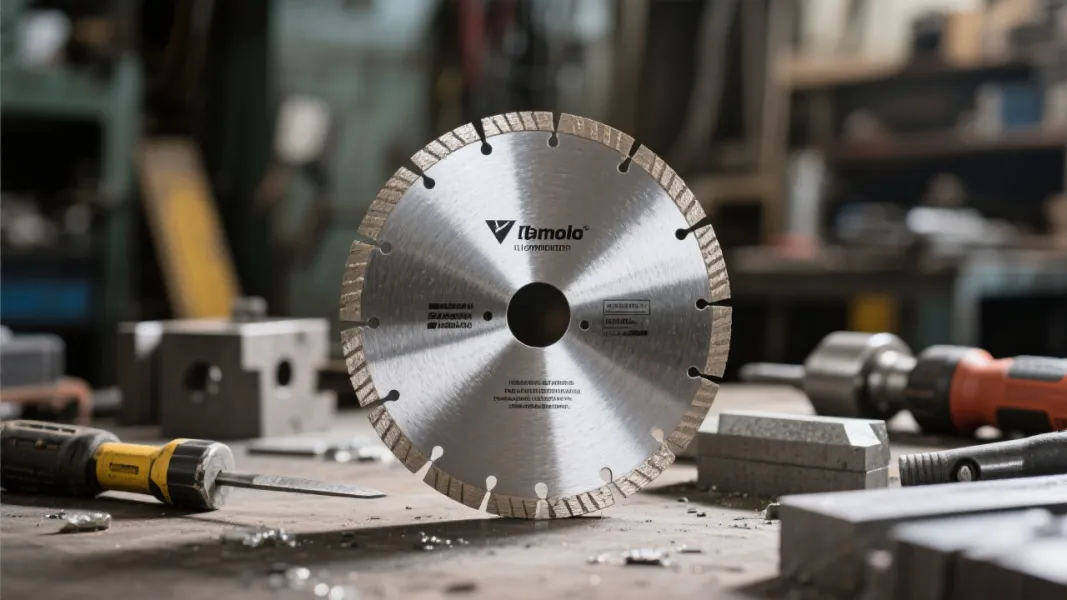
Research and field data confirm that brazed diamond saw blades significantly reduce wear and enhance cut surfaces when handling hard materials. These blades feature industrial-grade diamonds mechanically and thermally affixed to a metal core, offering superior wear resistance and heat tolerance compared to conventional abrasive blades.
In real-world applications, UHD’s brazed diamond blades demonstrated a 35% increase in tool life and a 25% faster cut speed compared to traditional blades under similar operating conditions. This directly translates to lower downtime and decreased equipment replacement costs.
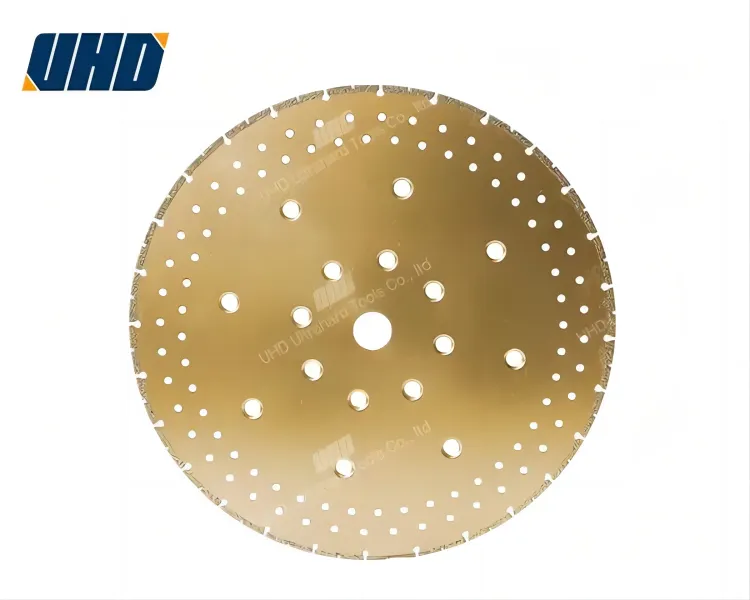
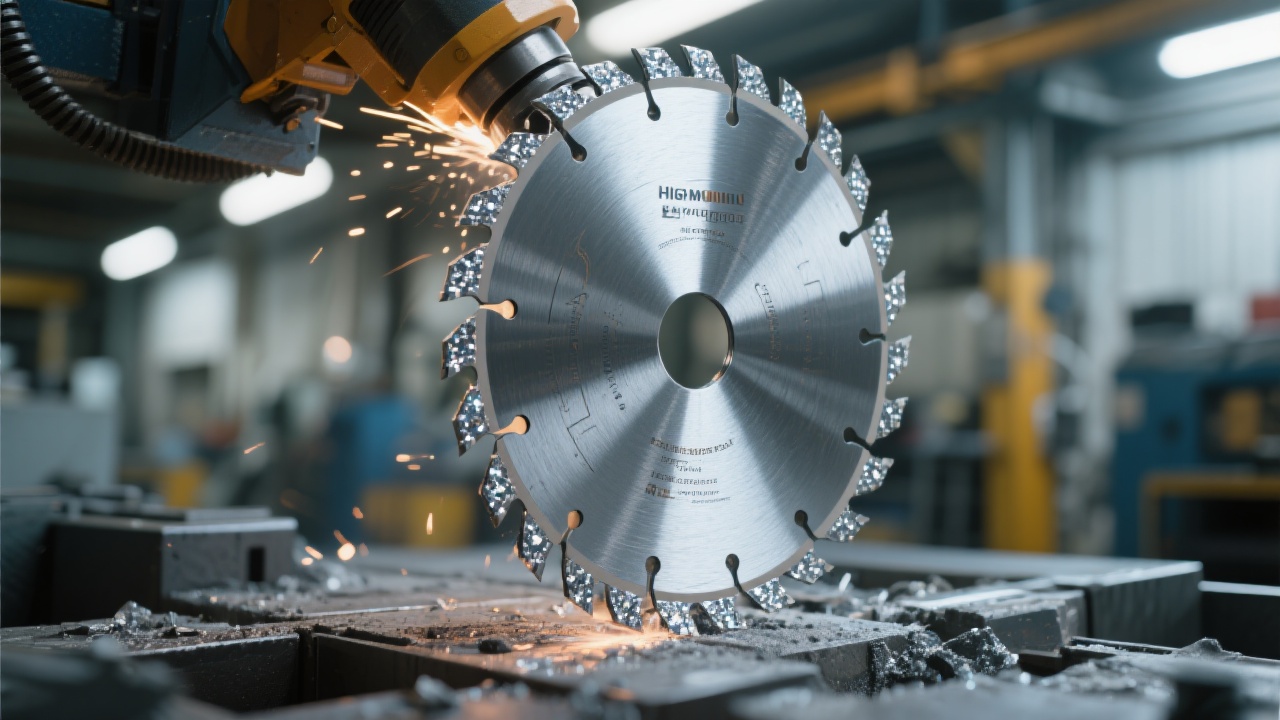
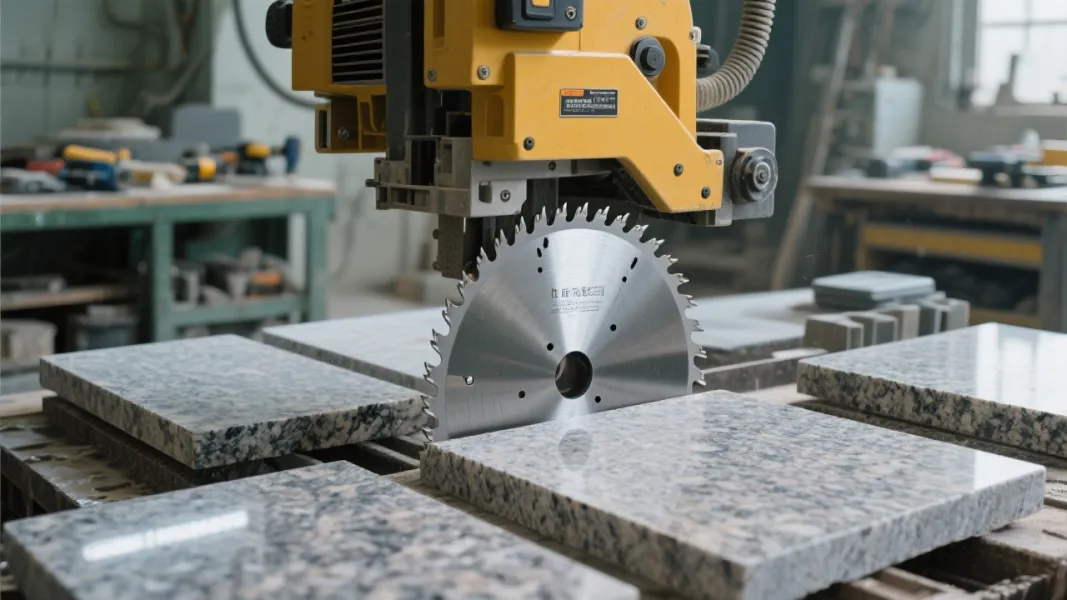
Heat management remains critical for maintaining blade performance. Innovative cooling designs, such as segmented blade rim structures and internal coolant channels, improve heat dissipation by up to 40%, based on thermographic measurements. Employing wet cutting techniques, including continuous water flow at approximately 3 liters per minute, further lowers blade temperature and minimizes dust—a key occupational health consideration.
For environments where water use is restricted, advanced dry cutting methods combined with airflow cooling systems can achieve comparable temperature control without sacrificing cut quality. Selecting between wet and dry cutting depends on site constraints, material properties, and equipment capabilities, requiring careful evaluation to balance efficiency with safety.
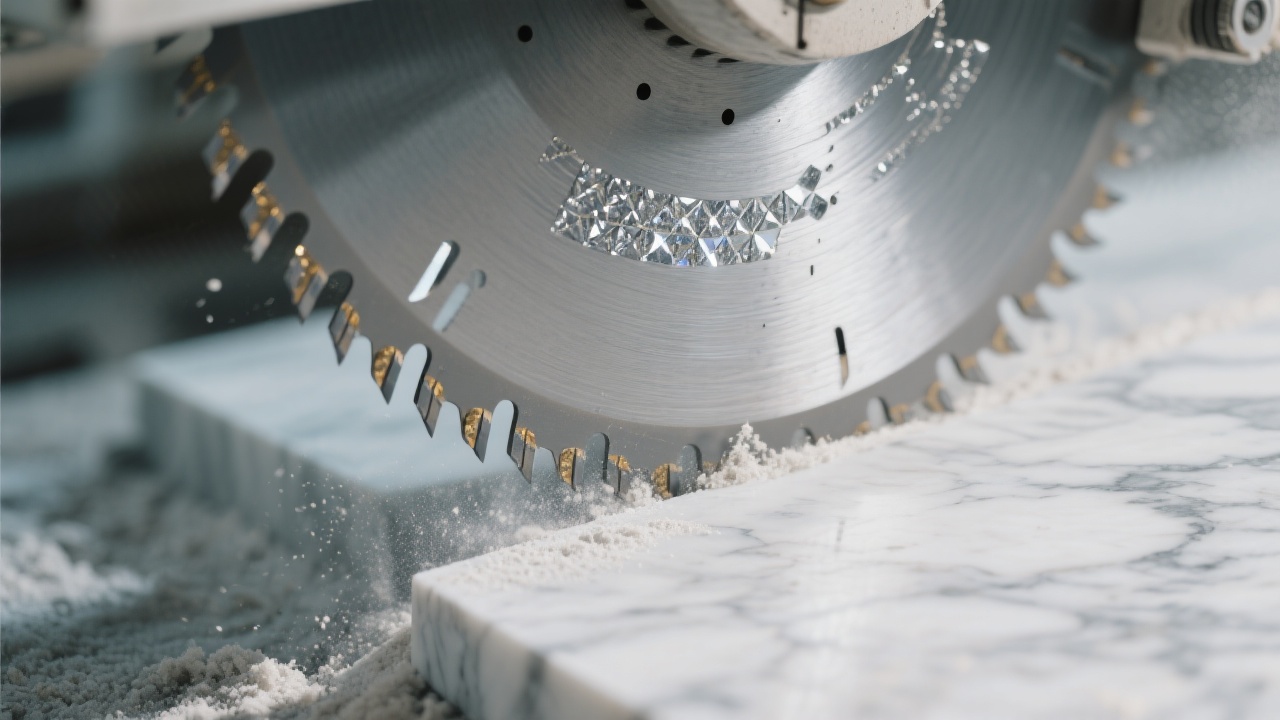
Uneven cuts often originate from blade vibration, improper feed rate, or inconsistent rotation speed. Industry standards recommend maintaining blade RPM within ±5% tolerance relative to the optimal rated speed and applying a feed force adapted to the material’s hardness.
Employing precision-engineered saw blades with balanced rims and vibration-damping features can mitigate these issues. UHD blades feature patented rim designs with built-in expansion slots that reduce thermal deformation during cutting, maintaining parallelism and flatness of the cut surface within 0.5 mm deviation on 1-meter lengths — a measurable benchmark in high-precision applications.

 308
|
308
|
 dry wet diamond saw blade operation
diamond blade cutting methods
stone cutting techniques
concrete cutting safety
blade lifespan extension
dry wet diamond saw blade operation
diamond blade cutting methods
stone cutting techniques
concrete cutting safety
blade lifespan extension
 487
|
Brazed Diamond Saw Blade 400H
High - efficiency Cutting Saw Blade
Concrete Cutting Tool
Stone Cutting Solution
Youde Superhard Saw Blade
487
|
Brazed Diamond Saw Blade 400H
High - efficiency Cutting Saw Blade
Concrete Cutting Tool
Stone Cutting Solution
Youde Superhard Saw Blade
 178
|
diamond saw blade selection guide
industrial cutting tool trends
granite cutting solutions
saw blade performance evaluation
diamond saw blade parameters
178
|
diamond saw blade selection guide
industrial cutting tool trends
granite cutting solutions
saw blade performance evaluation
diamond saw blade parameters
 396
|
Brazed diamond saw blade applications
Stone cutting solutions
Saw blade customization specifications
Construction cutting tools
High - strength cutting saw blades
396
|
Brazed diamond saw blade applications
Stone cutting solutions
Saw blade customization specifications
Construction cutting tools
High - strength cutting saw blades
 124
|
wet and dry diamond blade cutting parameters
wet cutting water cooling techniques
dry cutting anti-coking methods
UHD brazed diamond blade usage
stone cutting parameter optimization
124
|
wet and dry diamond blade cutting parameters
wet cutting water cooling techniques
dry cutting anti-coking methods
UHD brazed diamond blade usage
stone cutting parameter optimization






.png?x-oss-process=image/resize,h_600,m_lfit/format,webp)