
When it comes to precision cutting in stone, concrete, or ceramic applications, the condition of your diamond saw blade directly impacts productivity, safety, and cost-efficiency. According to industry data from the International Association of Abrasives (IAA), over 40% of unexpected downtime in construction and fabrication shops is linked to undetected blade wear — not equipment failure.
A well-maintained blade produces a consistent, low-pitched hum during operation. If you start hearing high-frequency squealing, grinding, or irregular vibrations — especially when cutting through materials like granite or marble — this often indicates that the diamond segments are worn down or unevenly distributed.
For example, users of Yude Superhard Materials Co., Ltd.’s 400H brazed diamond blades report that a noticeable increase in noise (measured at +8 dB above baseline) typically precedes visible wear by 2–3 hours of continuous use. This early warning allows operators to schedule maintenance before costly damage occurs.
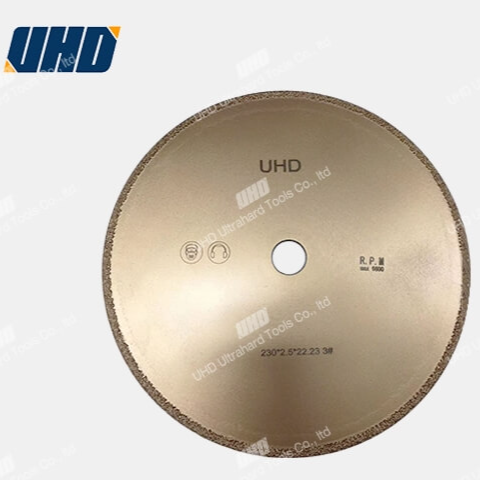
The width of the cut — known as the kerf — should remain stable under ideal conditions. A deviation of more than 0.5 mm beyond the manufacturer’s specification (typically 3–4 mm for standard blades) signals significant segment loss or improper bonding.
| Blade Condition | Expected Kerf Width (mm) | Action Required |
|---|---|---|
| New / Optimal | 3.5 ± 0.2 | Continue operation |
| Worn / Threshold | 4.0–4.5 | Inspect & consider replacement |
| Severely Damaged | >5.0 | Stop immediately |
Pro tip: Always measure kerf width after every 10 cuts or 30 minutes of use — especially if you’re working with abrasive materials such as reinforced concrete or quartzite.
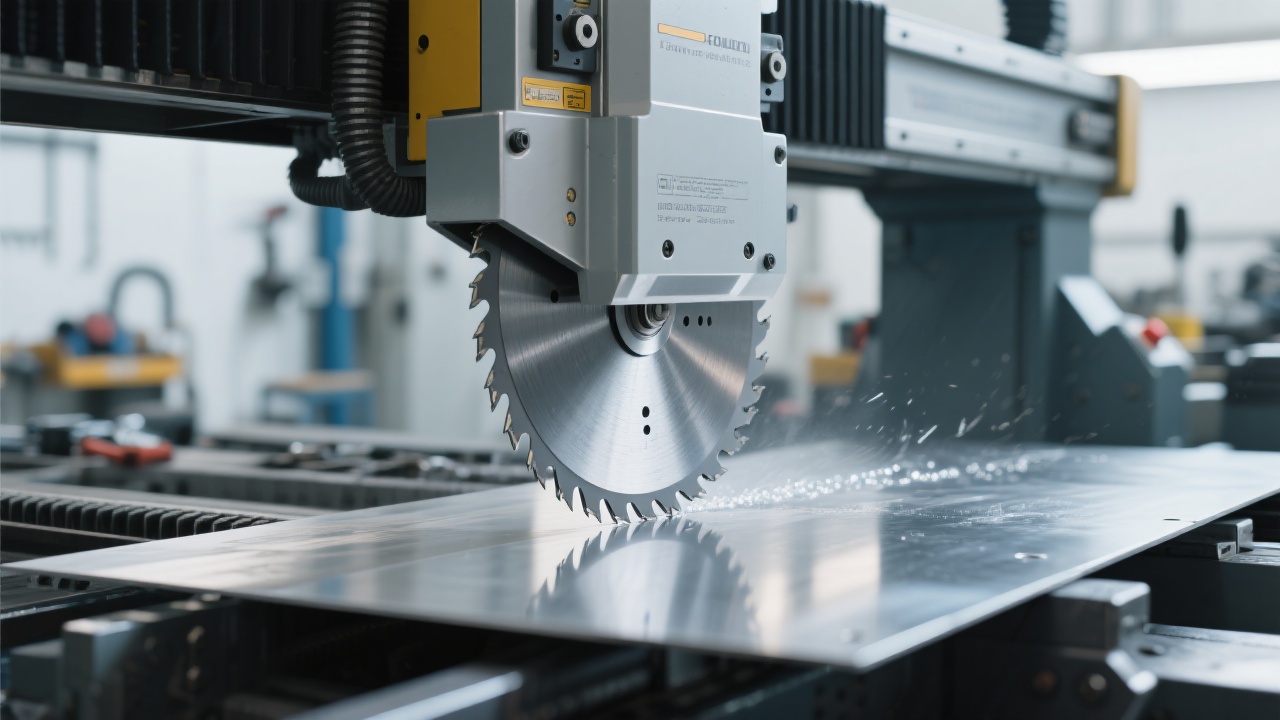
Many operators overlook simple yet critical factors like:
If any item in your checklist raises concern, don’t wait — reach out to our technical team for a free diagnostic review. With decades of field experience across North America, Europe, and the Middle East, we’ve helped thousands of fabricators avoid unnecessary blade replacements and improve their operational ROI.





.png?x-oss-process=image/resize,h_600,m_lfit/format,webp)
.png?x-oss-process=image/resize,h_600,m_lfit/format,webp)


.png?x-oss-process=image/resize,h_600,m_lfit/format,webp)
