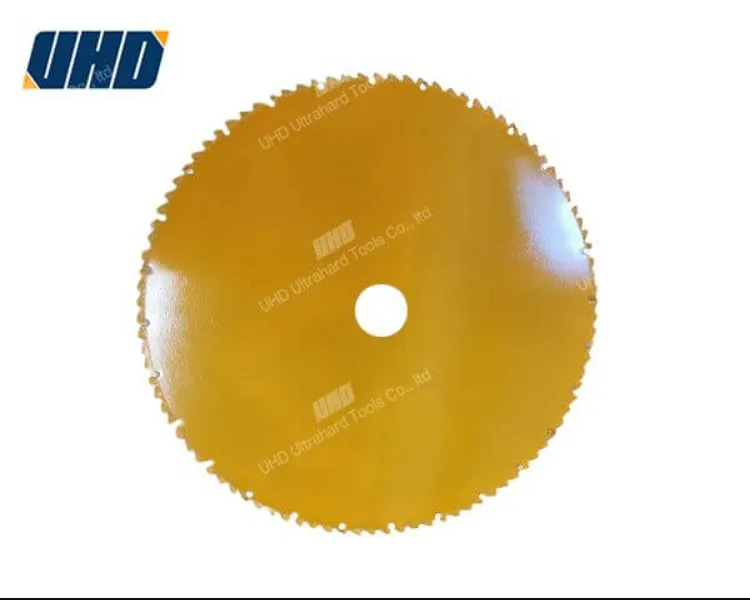
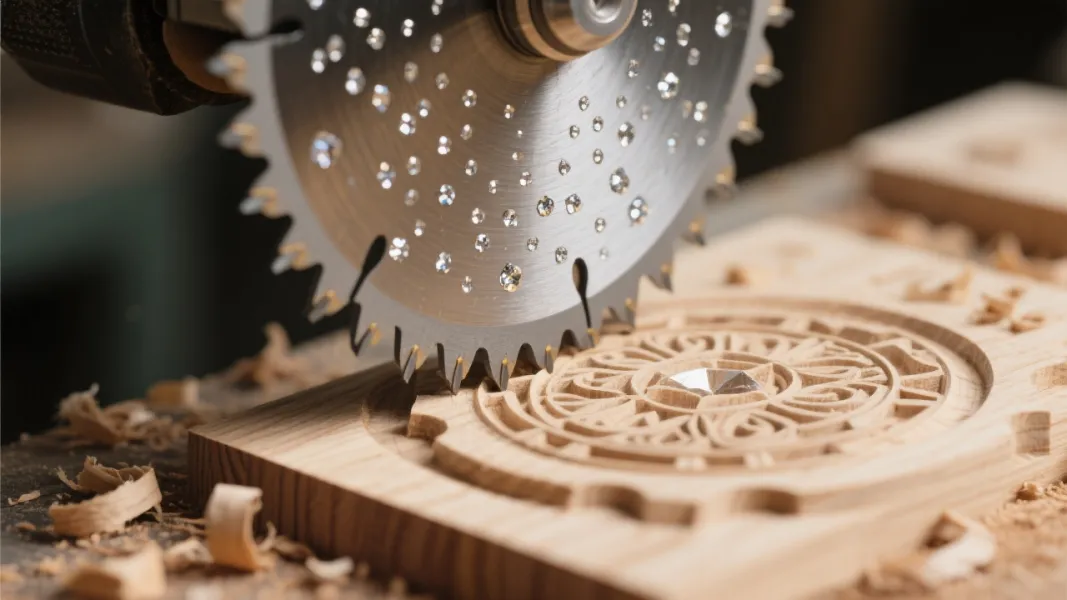
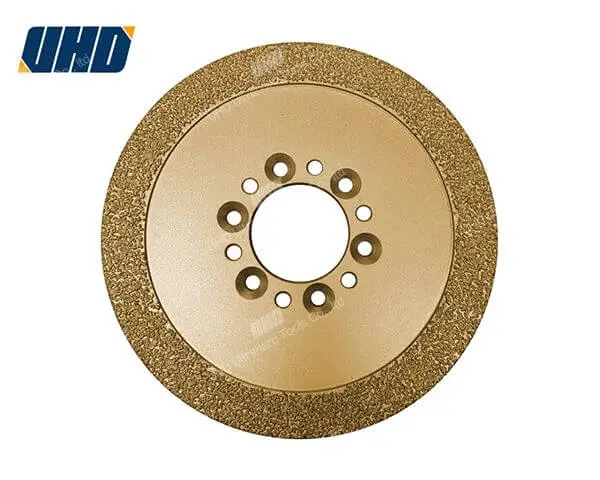
Within the industrial sectors of construction, stone processing, and manufacturing, the integrity of cutting tools directly impacts operational safety and efficiency. The Yude Ultra-Hard 400H Brazed Diamond Saw Blade stands out as a robust solution designed for demanding applications. This article delves into its daily maintenance protocols and demonstrates the precise installation and tightening techniques essential for extending blade lifespan, preventing hazardous failures, and maintaining peak cutting performance.
Regular maintenance begins with proper cleaning to remove carbon deposits and metal debris, which, if neglected, can degrade blade teeth and reduce cutting efficiency. Use soft brushes combined with industrial-strength solvents suitable for diamond blades to gently clear residues without damaging the brazed segments.
Controlled storage environments play a vital role. Maintain blades in a dry, temperature-stable area with humidity levels below 60% to prevent oxidation or corrosion of the steel core. Vertical hanging with protective covers minimizes deformation risks.
Before installation, perform thorough visual inspections and tool-based checks for flatness and balance. Use calibrated dial indicators to verify run-out within industry-standard tolerance of less than 0.1 mm deviation to avoid vibrations that accelerate wear or cause hazardous blade failure.
Correct installation requires precise alignment of the saw blade on the arbor, followed by uniform tightening of the nut or flange according to manufacturer torque specifications—typically between 25 to 40 Nm depending on blade size. Over- or under-tightening risks blade slippage or damage.
Employ torque wrenches and confirm the blade’s rotation direction matches the saw’s indicated arrow to ensure proper cutting action. Operators should wear protective gloves and safety glasses during this procedure to mitigate injury risk.
Identifying atypical blade wear early can prevent catastrophic failures and excessive downtime. Common anomalies include:
Implementing routine wear trend analysis—via photographic records and measurement logs—enhances predictive maintenance, thereby reducing replacement frequency by an estimated 15-25%.
Industry professionals report that adherence to comprehensive maintenance schedules combined with correct installation led to a 20% increase in blade operational lifespan and a significant drop in workplace accidents related to blade failure.
Experts emphasize continuous training for operators, recommending quarterly refresher courses on blade handling and safety protocols. These measures correspond with improved site productivity and lower maintenance costs.
Users are encouraged to participate in feedback sessions and Q&A forums to share experiences, troubleshoot common issues, and exchange innovative solutions. This collaborative approach cultivates a knowledge base invaluable to the industrial cutting community.

 126
|
126
|
 Wet and dry saw blade cutting parameters
Diamond saw blade usage tips
Stone cutting optimization solutions
Saw blade lifespan extension methods
Construction cutting safety
63
|
brazed diamond saw blade
enhanced brazing technology
diamond blade performance comparison
CE certified cutting tools
concrete cutting solutions
108
|
brazed diamond saw blades
high-performance cutting tools
diamond saw blade manufacturing process
heat dissipation design
industrial cutting solutions
483
|
brazed diamond saw blade applications
400mm diamond saw blade cutting
hard material cutting technology
stone processing blade selection
construction material saw blade
Wet and dry saw blade cutting parameters
Diamond saw blade usage tips
Stone cutting optimization solutions
Saw blade lifespan extension methods
Construction cutting safety
63
|
brazed diamond saw blade
enhanced brazing technology
diamond blade performance comparison
CE certified cutting tools
concrete cutting solutions
108
|
brazed diamond saw blades
high-performance cutting tools
diamond saw blade manufacturing process
heat dissipation design
industrial cutting solutions
483
|
brazed diamond saw blade applications
400mm diamond saw blade cutting
hard material cutting technology
stone processing blade selection
construction material saw blade
 337
|
diamond saw blade condition assessment
cutting sound analysis for blade health
kerf width monitoring in diamond blades
diamond blade maintenance best practices
diamond blade failure diagnosis
337
|
diamond saw blade condition assessment
cutting sound analysis for blade health
kerf width monitoring in diamond blades
diamond blade maintenance best practices
diamond blade failure diagnosis






.png?x-oss-process=image/resize,h_600,m_lfit/format,webp)
.png?x-oss-process=image/resize,h_600,m_lfit/format,webp)