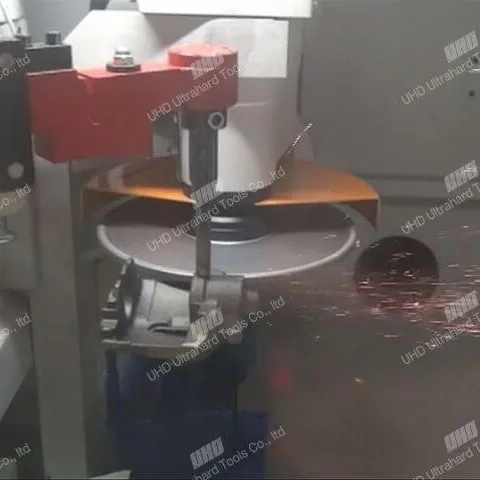
Mastering the criteria for judging the lifespan of diamond saw blades and the maintenance techniques is crucial for enhancing cutting efficiency and reducing equipment wear and tear. In this article, we'll delve into the common fault signs of diamond saw blades, such as widened kerf, abnormal noise, overheating, and edge chipping, and provide a practical checklist and maintenance process. We'll also teach you how to extend the lifespan of your saw blades by cleaning carbon deposits, controlling the feed rate, and keeping the coolant clean. With real engineering cases and years of practical experience, we aim to help you shift from passive replacement to proactive maintenance, reducing unexpected downtime costs and maximizing the value of every 400H brazed diamond saw blade.
Recognizing the typical failure signs of diamond saw blades is the first step towards effective maintenance. Here are some common signs and how to identify them:
A widened kerf is often an early sign of saw blade wear. You can measure the kerf width regularly using a caliper. If the kerf width exceeds the normal range by more than 10%, it may be time to check the saw blade. For example, if the normal kerf width of a 400H brazed diamond saw blade is 3mm, a width of over 3.3mm could indicate a problem.
Unusual noises during cutting, such as screeching or rattling, can signal issues with the saw blade. Listen carefully to the sound while the saw is in operation. If the noise is significantly different from the normal cutting sound, stop the machine immediately and inspect the saw blade for damage.
Excessive heat can cause the saw blade to wear out faster and may even lead to blade deformation. You can use an infrared thermometer to measure the temperature of the saw blade during cutting. If the temperature exceeds 80°C, it's a sign that the saw blade may be overheating, and you should adjust the cutting parameters or check the coolant system.
Visible chipping on the edge of the saw blade is a clear indication of damage. Inspect the saw blade regularly under a magnifying glass. If you notice any chips or cracks on the edge, it's important to replace the saw blade as soon as possible to avoid further damage to the workpiece and the saw.
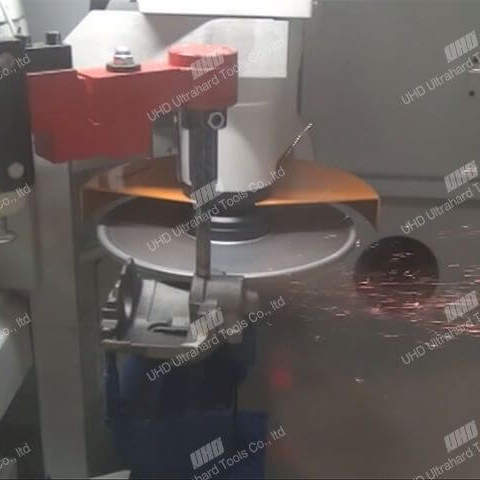
Regular maintenance measures can significantly extend the lifespan of diamond saw blades. Let's take a closer look at how some key maintenance measures work:
Carbon deposits can accumulate on the saw blade during cutting, which can affect the cutting performance and increase wear. By regularly cleaning the carbon deposits, you can keep the saw blade sharp and reduce friction. For example, cleaning the saw blade every 20 hours of use can extend its lifespan by up to 20%.
The coolant plays a crucial role in keeping the saw blade cool and reducing wear. It's important to keep the coolant clean and at the right concentration. A dirty or low - concentration coolant can cause the saw blade to overheat and wear out faster. Changing the coolant every 50 hours of use and maintaining the correct coolant concentration can improve the saw blade's lifespan by about 15%.
Controlling the feed rate is essential for preventing excessive wear on the saw blade. A too - high feed rate can cause the saw blade to overwork and lead to premature failure. By adjusting the feed rate according to the material being cut and the condition of the saw blade, you can extend its lifespan. For instance, reducing the feed rate by 10% when cutting hard materials can increase the saw blade's lifespan by 10 - 15%.
To illustrate the effectiveness of these maintenance techniques, let's look at some real - world examples. A construction company was experiencing frequent saw blade replacements, which led to high costs and downtime. After implementing the maintenance measures recommended in this article, such as regular carbon deposit cleaning and coolant management, they were able to reduce the saw blade replacement frequency by 30% and increase the overall cutting efficiency by 20%.
"Since we started following the maintenance tips, our diamond saw blades last much longer, and we've saved a lot on replacement costs. The cutting quality has also improved significantly." - A satisfied customer
To help you assess the condition of your diamond saw blade, here's a simple self - check list:
| Check Item | Yes | No |
|---|---|---|
| Is the kerf width within the normal range? | ||
| Is the cutting sound normal? | ||
| Is the saw blade overheating? | ||
| Are there any visible chips or cracks on the edge? |
If you answered "No" to any of these questions, it's recommended to further inspect the saw blade or seek professional advice. For professional technical support, you can rely on Youde Superhard Technologies. They offer comprehensive technical assistance to ensure your diamond saw blades perform at their best.





.png?x-oss-process=image/resize,h_600,m_lfit/format,webp)
.png?x-oss-process=image/resize,h_600,m_lfit/format,webp)
.png?x-oss-process=image/resize,h_600,m_lfit/format,webp)
.png?x-oss-process=image/resize,h_600,m_lfit/format,webp)
