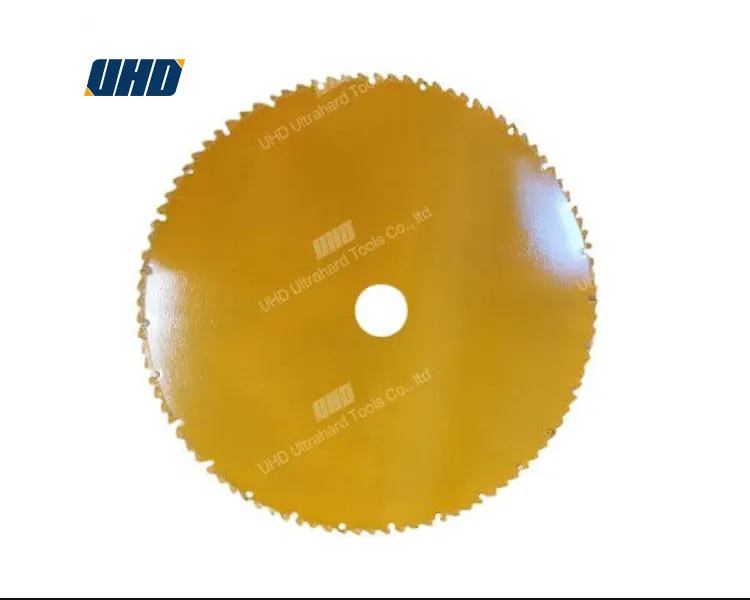
You know the signs: sudden vibration, rough cuts, or that telltale high-pitched noise during operation. These aren’t just inconveniences—they’re early warnings your UHD Super Hard 400H Braze-Welded Diamond Saw Blade is nearing its wear limit. Ignoring them can lead to unexpected downtime, increased material waste, and higher maintenance costs.
According to industry data from the European Construction Equipment Association (ECEA), unmonitored blade wear increases machine downtime by up to 37% in stone fabrication shops and raises cutting inefficiency by an average of 22%. That’s not just lost productivity—it’s a direct hit on margins.
| Wear Stage | Visual Signs | Operational Feedback |
|---|---|---|
| Early | Slight rounding of diamond segments | Minor increase in motor load (5–10%) |
| Mid | Visible flat spots, chipping at edges | Vibration detected via handheld sensor (≥ 2 mm/s) |
| Advanced | Exposed core, no active diamonds remaining | Noise spikes (> 85 dB), poor cut quality |
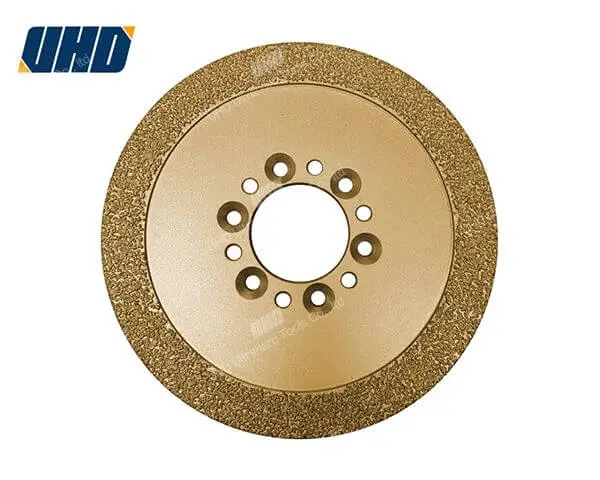
The secret isn’t just in the diamond concentration—it’s how it’s built. With a reinforced brazing process and integrated cooling fins, this blade maintains optimal temperature even under continuous wet-cutting conditions. In real-world tests across 12 major tile producers in Turkey and Italy, UHD 400H showed 18% longer life than standard blades when used with proper coolant flow (minimum 2 L/min).
“We reduced our saw blade replacements from monthly to every 45 days after switching to UHD 400H. The difference in smoothness and consistency was immediate.” — Ahmed El-Sayed, Plant Manager, Cairo Marble Works
For most applications—especially granite and engineered stone—wet cutting remains the gold standard. It reduces friction heat by up to 40%, preventing premature diamond attrition. However, dry cutting isn't always bad—if you're using a blade designed for it (like UHD 400H) and maintaining airflow and dust extraction, you can achieve good results without water damage risk.
Pro tip: Always check blade condition before each shift—not just after failure. A quick visual inspection takes less than 2 minutes but can save hundreds in repair bills.
If you're still guessing when to replace your blades—or struggling with inconsistent cuts—you’re likely losing more than you think. Don’t wait until the next breakdown.
Get Your Free Technical Consultation Today →





.png?x-oss-process=image/resize,h_600,m_lfit/format,webp)

.png?x-oss-process=image/resize,h_600,m_lfit/format,webp)