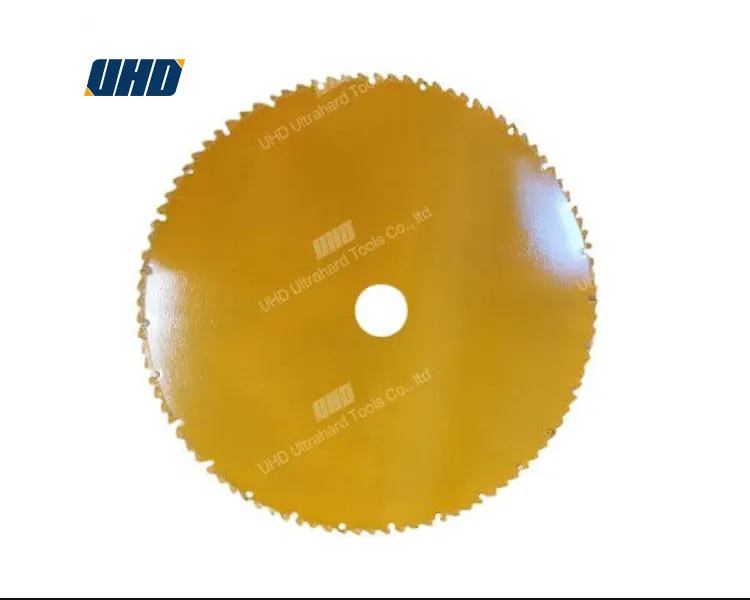
Stone cutting blades are indispensable tools in the natural stone processing industry. However, frequent blade wear remains a persistent challenge that inflates operating costs and reduces productivity. This article unveils the root causes behind rapid blade deterioration and illustrates how the UHD Superhard 400H blade addresses these issues through state-of-the-art technology. We will also explore practical maintenance best practices to help extend blade life by over 30%, supported by real-world data and user testimonials.
Understanding why stone cutting blades wear rapidly is the first step toward improving operational efficiency. The main factors contributing to accelerated wear include:
The UHD Superhard 400H blade incorporates three major technological breakthroughs to mitigate the above challenges:
These coordinated enhancements enable the 400mm UHD 400H blade to sustain higher cutting speeds with up to 30% longer operational lifespan compared to traditional blades, based on industry-standard laboratory tests and verified by multiple client applications.
Stone cutting operations commonly employ either dry or wet methods, each significantly influencing blade wear and output quality.
| Cutting Method | Advantages | Considerations |
|---|---|---|
| Wet Cutting | Effective cooling minimizes heat build-up, reduces blade wear, and achieves smoother finish. | Requires water supply; potential slurry disposal concerns. |
| Dry Cutting | Higher portability; simpler setup; suitable for on-site jobs with limited water access. | Increased heat stress accelerates blade wear if not properly managed. |
The UHD Superhard 400H blade adapts seamlessly to both approaches. Optimized vibration damping and heat management offer users flexibility without compromising tool longevity or cut quality. Recommended operational speed ranges vary by cut type but typically fall between 2800-3200 RPM for wet cutting and 2500-2800 RPM for dry cutting to balance efficiency and wear.
Consistent maintenance is crucial to extract optimal value from your cutting blades. Follow these practical steps to prolong UHD 400H's lifespan by at least 30%:
"Since switching to UHD 400H blades and adopting the recommended dry/wet cutting parameters, we've seen a 35% reduction in blade replacements and significantly cleaner cut surfaces," reports a leading stone fabricator in Italy.
Industry laboratory trials confirm the UHD 400H blade achieves an average operational life exceeding 120 hours under typical working conditions, compared to around 90 hours for conventional blades. These metrics underscore its advanced durability and efficiency for professional stone processing.
Unlock detailed strategies and expert guidance by downloading our comprehensive Stone Cutting Blade Usage & Maintenance Handbook. Elevate your cutting precision, minimize tool expenditure, and enhance overall productivity with actionable insights tailored for industry professionals.






.png?x-oss-process=image/resize,h_600,m_lfit/format,webp)

.png?x-oss-process=image/resize,h_600,m_lfit/format,webp)