Cutting hard materials such as tiles and marble presents unique challenges in both residential and commercial projects. Yet, despite the critical nature of precision and care, many professionals and DIY enthusiasts fall prey to common misconceptions that compromise the quality of their work. Understanding the physical properties of these materials, selecting the right cutting tools, and adhering to industry-standard operational procedures are key to achieving clean, chip-free cuts that enhance export product value and customer satisfaction.
Tiles and marble differ significantly in hardness, porosity, and fracture behavior. Tiles generally exhibit a more uniform structure but may have surface glazes vulnerable to chipping. Marble, a natural stone, possesses unique veins and varying densities impacting its brittleness and heat sensitivity during cutting. Overlooking these intrinsic properties can lead to micro-cracks or surface damage that degrade product quality.
For example, applying excessive pressure or incorrect blade types often results in edge chipping, a defect that compromises the aesthetic and structural integrity of the material. Industry data suggests that up to 35% of tile and stone processing defects arise from inadequate understanding of material behavior, leading to costly rework or rejected shipments.
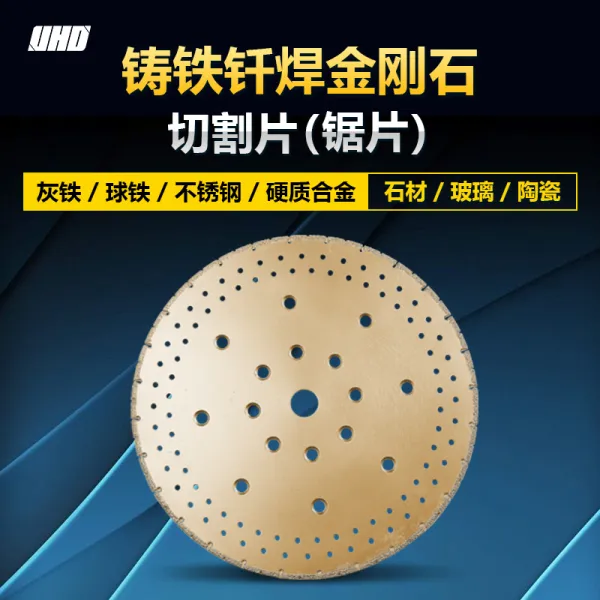
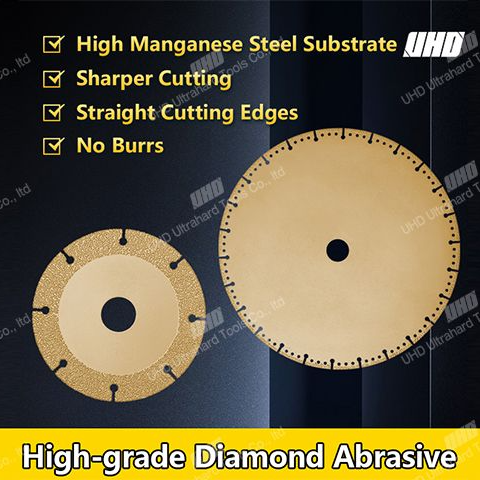
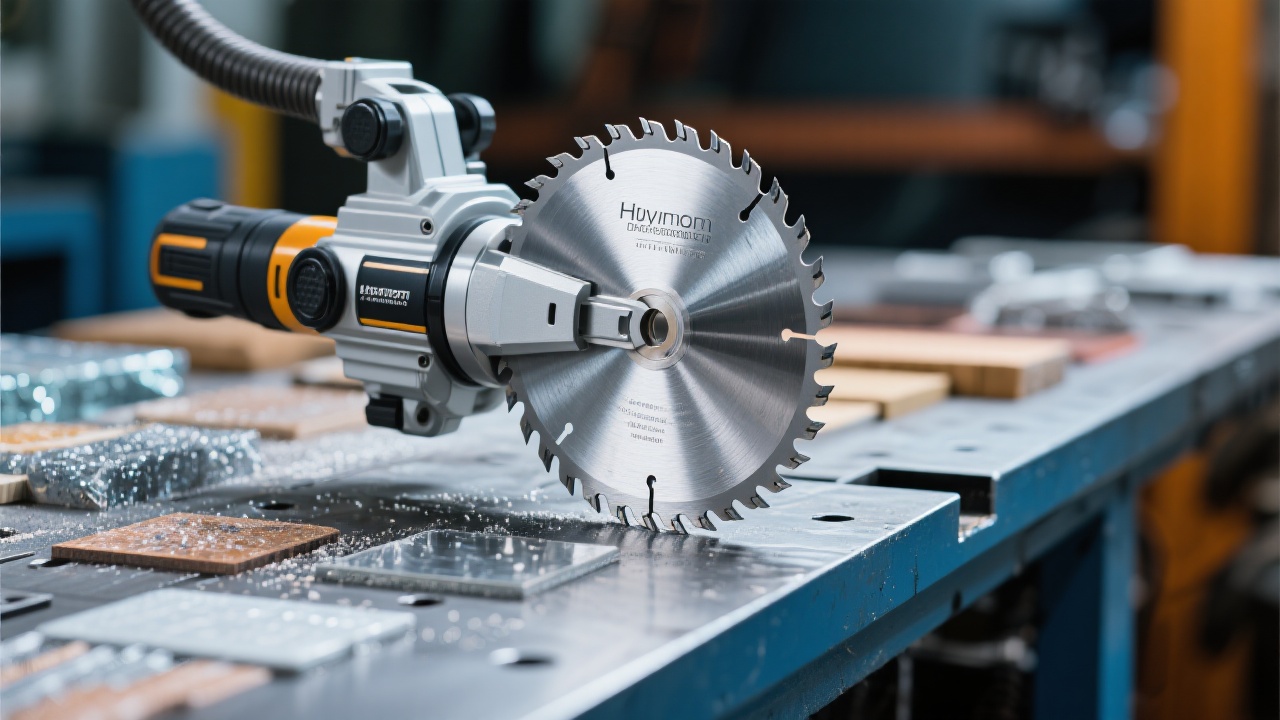
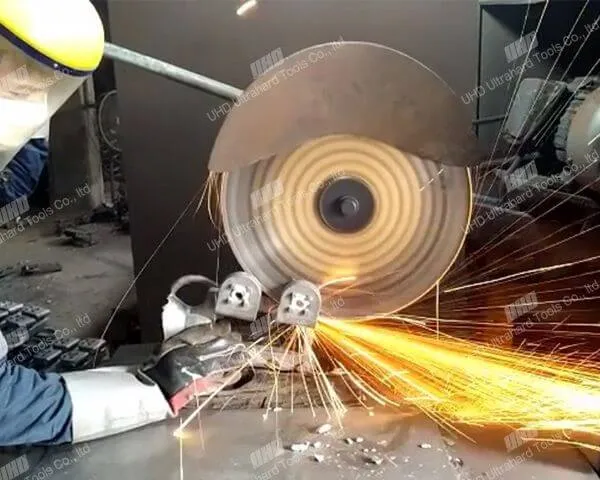
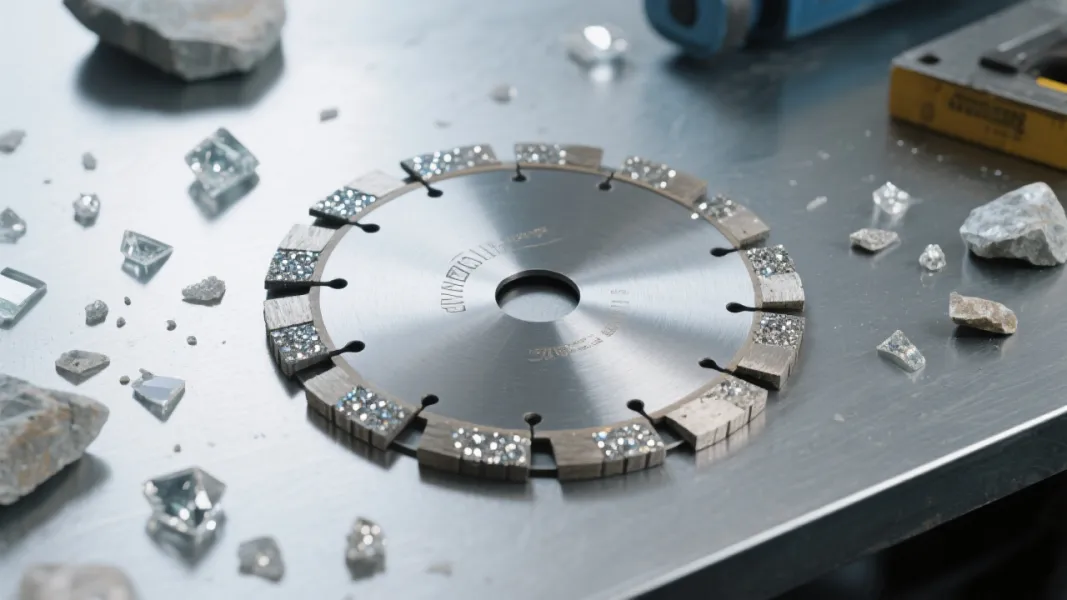
Choosing the correct saw blade is more than just matching sizes—it’s a core determinant of cutting efficiency and finish quality. Ultra-hard blades like the UHD Super-Hard 400H brazed diamond saw blade optimize durability and precision for both tile and marble cutting applications.
Conventional blades can wear out quickly or cause excessive heat buildup, which translates into cracks and poor surface finishes. UHD 400H blades feature brazed diamond technology that enhances cutting speed by approximately 20% while extending blade life, thereby driving down operational costs and downtime.
(Reference: Internal test data from UHD blade trials, 2023)
Ensuring consistent quality requires strict adherence to standardized procedures. Key steps include:
Ignoring these parameters often leads to cracks and uneven cuts, which diminish market competitiveness—particularly in export scenarios where quality standards are rigid.
Consider the following real-world examples:
These insights demonstrate the practical impact of technique and tool selection on quality and cost-effectiveness.
.png)
Safe operation is paramount in hard material cutting. Recommended safety protocols include:
Implementing these practices not only protects workers but also enhances cutting precision by minimizing operator errors.
Integrating UHD 400H blades into your cutting process guarantees:
The investment in specialized blades directly correlates with product output, reducing defects and boosting brand reputation in competitive export markets.

 393
|
393
|
 Brazed diamond saw blades
Dust control
Industrial environmental - friendly cutting
Efficient cutting tools
Working environment optimization
Brazed diamond saw blades
Dust control
Industrial environmental - friendly cutting
Efficient cutting tools
Working environment optimization
 368
|
Brazed diamond saw blade 400H
Diamond saw blade cutting efficiency
Welded diamond saw blade
Stone cutting tool
High-hardness material cutting
368
|
Brazed diamond saw blade 400H
Diamond saw blade cutting efficiency
Welded diamond saw blade
Stone cutting tool
High-hardness material cutting
 285
|
hard material cutting efficiency
diamond blade parameter optimization
wet vs dry cutting techniques
segment life extension
cutting process tuning
151
|
diamond saw blades
wet cutting
dry cutting
brazed diamond blade maintenance
concrete cutting technology
396
|
Brazed diamond saw blade applications
Stone cutting solutions
Saw blade customization specifications
Construction cutting tools
High - strength cutting saw blades
285
|
hard material cutting efficiency
diamond blade parameter optimization
wet vs dry cutting techniques
segment life extension
cutting process tuning
151
|
diamond saw blades
wet cutting
dry cutting
brazed diamond blade maintenance
concrete cutting technology
396
|
Brazed diamond saw blade applications
Stone cutting solutions
Saw blade customization specifications
Construction cutting tools
High - strength cutting saw blades






.png?x-oss-process=image/resize,h_600,m_lfit/format,webp)

.png?x-oss-process=image/resize,h_600,m_lfit/format,webp)
.png?x-oss-process=image/resize,h_600,m_lfit/format,webp)