
Cutting hard materials like ceramic tiles and marble demands precision, the correct selection of cutting tools, and adherence to specific operational protocols. Missteps such as the misuse of ordinary saw blades, improper feed rates, or neglecting safety precautions often cause edge chipping, material cracking, and even pose safety hazards. This article offers a detailed, step-by-step breakdown to help professionals and DIY enthusiasts alike master cutting techniques, ensuring optimal quality and safety.
One of the primary issues arises from using standard steel blades designed for wood or soft materials on hard surfaces like tile or marble. This typically leads to uneven cuts and accelerated blade wear. Additionally, overlooking protective gear, like eye shields and dust masks, compromises operator safety. Another frequently seen problem is insufficient attention to the flatness and stability of the cutting surface, which increases the risk of cracks developing during the cut. These pitfalls not only degrade the finished product but also increase operational downtime.
Ceramic tile and marble vary significantly in hardness and microstructure. Ceramic tiles often have a harder glaze surface but a more brittle substrate, while marble is a dense natural stone with variable grain patterns. These differences dictate the choice of saw blade, feed rate, and cooling requirements. For example, tiles generally require a high-speed diamond blade optimized for brittle materials, whereas marble demands a blade with a balance between hardness and flexibility to prevent micro-cracks. Understanding these characteristics is essential before initiating any cutting operation.
The cutting process begins with proper equipment setup. Mounting the cutting tool correctly ensures stability and reduces vibration. Selection of the saw blade must be based on material type and thickness, with diamond-tipped blades being the industry standard for hard materials. The feed angle should ideally be between 15° to 30°, facilitating a gradual entry into the material and reducing edge chipping. A consistent, slow feed rate—approximately 5 to 10 mm per second—is recommended to maintain blade lifespan and surface quality. Additionally, applying an adequate coolant, such as water or a specialized cutting fluid, prevents overheating and dust generation, thereby preserving surface integrity and enhancing operator safety.

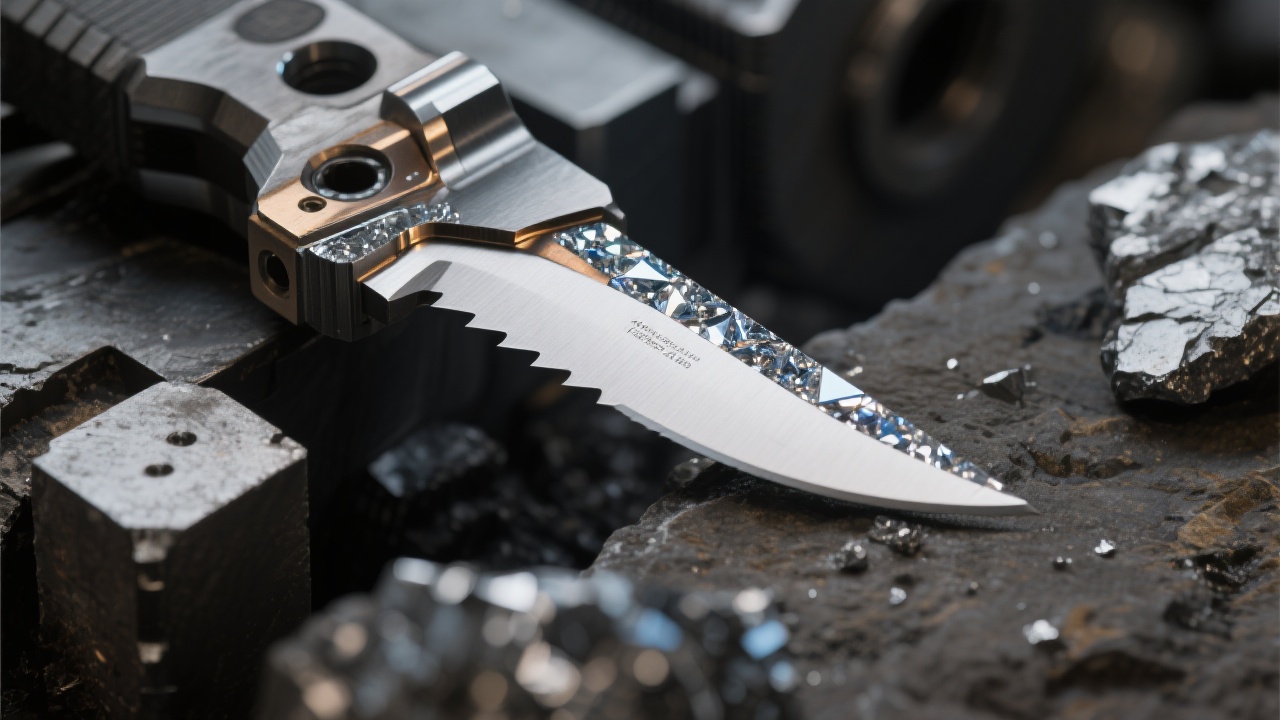
Real-world case comparisons show significant quality differences. In a documented scenario, using a generic steel blade on porcelain tiles resulted in 15% material waste due to edge chipping and cracks. In contrast, employing a UHD Ultra-Hard 400H brazed diamond blade with optimal feed rate and coolant reduced defects to under 2%, halved cutting time, and extended blade service life by over 40%. These metrics not only enhance efficiency but also reflect critical safety improvements. Industry experts underline that these results are achievable only by integrating precise tooling with standardized cutting protocols.
| Parameter | Ceramic Tiles | Marble |
|---|---|---|
| Recommended Blade Type | Diamond-tipped with fine grit | Brazed diamond blade UHD 400H |
| Feed Rate | 5-8 mm/sec | 6-10 mm/sec |
| Feed Angle | 15° to 25° | 20° to 30° |
| Coolant Usage | Continuous water flow | Water or specialized fluid |
“Adopting slow, stable feed rates combined with high-quality brazed diamond blades is critical to reducing micro-cracks in natural stone. It optimizes both material integrity and worker safety.” – John Fisher, Stone Cutting Specialist.

Visual aids such as step-by-step pictorial guides or video tutorials reinforce understanding, especially for novices in material cutting. Key steps like blade installation, angle calibration, feed techniques, and protective wear usage can be demonstrated clearly, ensuring operational consistency across teams.

 379
|
379
|
 Vacuum brazed diamond grinding wheel
Glass cutting wheel
Glass grinding tool
UDW030 grinding wheel safe use
Diamond grinding wheel operation specification
Vacuum brazed diamond grinding wheel
Glass cutting wheel
Glass grinding tool
UDW030 grinding wheel safe use
Diamond grinding wheel operation specification

 291
|
diamond blade selection guide
400H brazing technology
high-intensity cutting tools
brazed diamond saw blades
saw blade heat dissipation design
427
|
Brazed diamond saw blades
Dust reduction
Workplace safety
Cutting tools
Environmentally friendly cutting solutions
282
|
brazed diamond saw blade
diamond blade maintenance
Youde Superhard 400H
industrial cutting tools
saw blade lifespan
291
|
diamond blade selection guide
400H brazing technology
high-intensity cutting tools
brazed diamond saw blades
saw blade heat dissipation design
427
|
Brazed diamond saw blades
Dust reduction
Workplace safety
Cutting tools
Environmentally friendly cutting solutions
282
|
brazed diamond saw blade
diamond blade maintenance
Youde Superhard 400H
industrial cutting tools
saw blade lifespan







.png?x-oss-process=image/resize,h_600,m_lfit/format,webp)

.png?x-oss-process=image/resize,h_600,m_lfit/format,webp)