In advanced multi-material cutting applications, managing saw blade vibration is critical to achieving precision, enhancing operator safety, and improving overall process stability. The UHD ultra-hard 400H brazed diamond saw blade represents a pinnacle of engineering designed for such challenges. This article delves into the vibration control technologies underpinning these blades, particularly focusing on how strategic heat sink layout can mitigate high-frequency resonance and boost cutting performance.
Vibration in cutting tools manifests as oscillations that degrade cut surface quality, reduce dimensional accuracy, and increase blade wear. At frequencies above 500 Hz, resonance can amplify these vibrations exponentially. For operators, such vibrations translate into fatigue, discomfort, and even potential injury over prolonged use, underscoring the necessity for robust vibration mitigation strategies within the blade design.
The structural engineering of UHD 400H blades integrates three primary vibration reduction mechanisms:
These elements work in synergy to lower the high-frequency resonance modes by as much as 20-30%, measured via accelerometer-based vibration analysis—demonstrating significant improvements in stability.
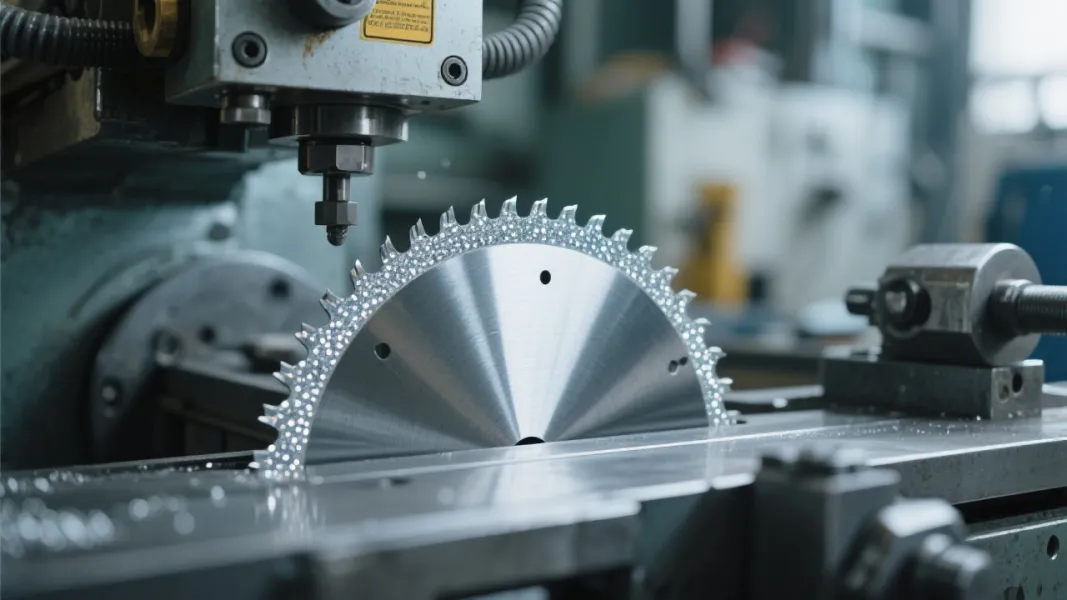
Visual representations of vibration propagation paths indicate critical nodes where oscillations intensify. Optimally positioned heat sinks interrupt these nodes by absorbing and dissipating thermal and mechanical energy, smoothing out vibration spikes and enhancing structural damping.
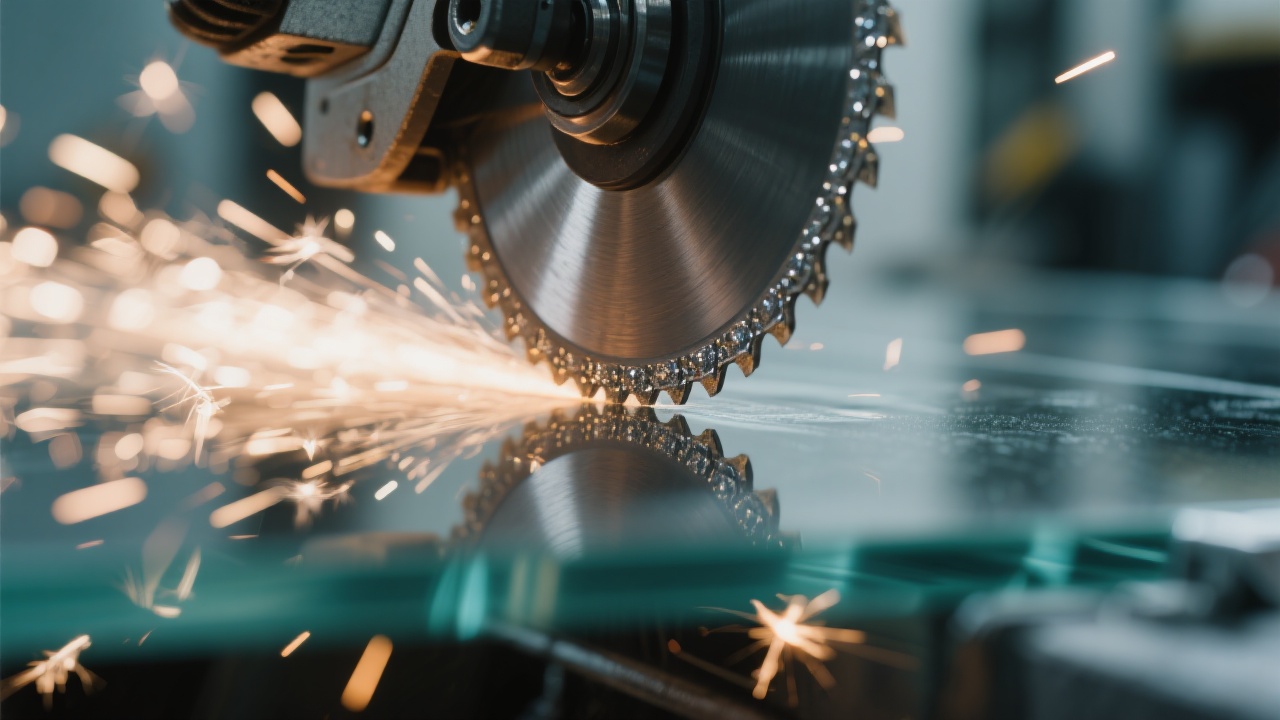
Real-world application highlights several operational parameters that synergize with blade design to lower vibration:
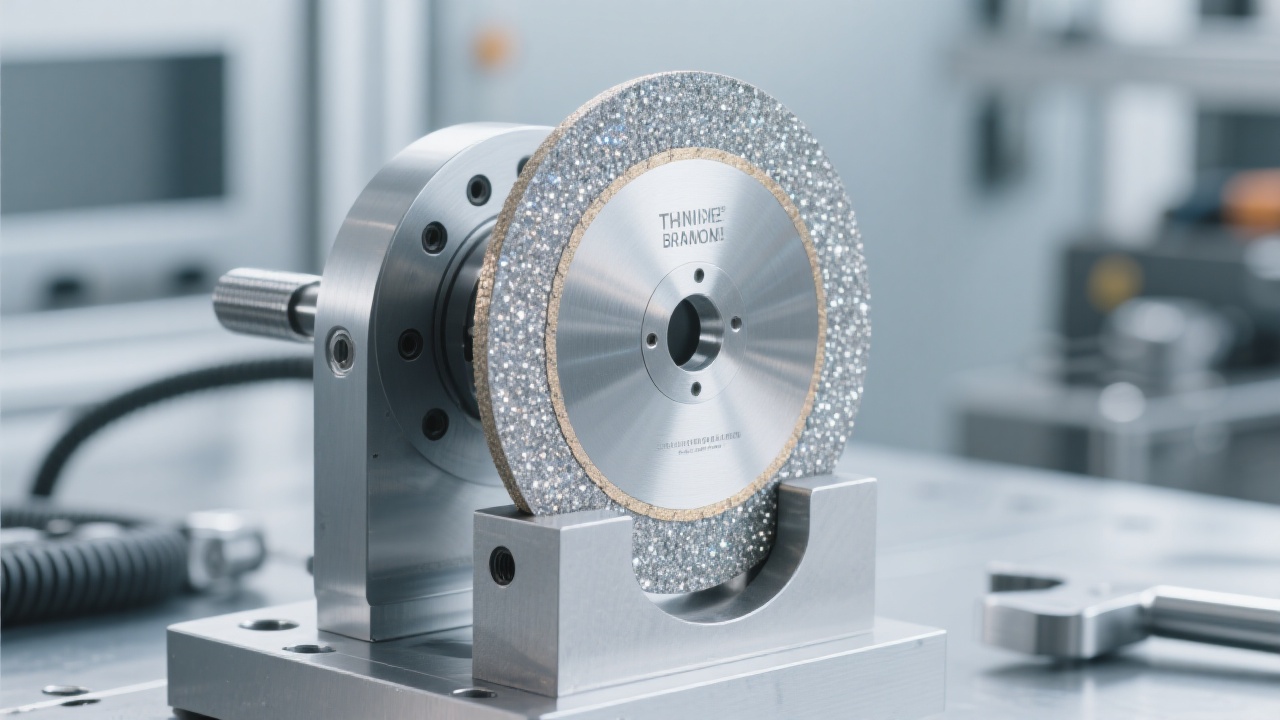
Incorporating these practices reduces vibration amplitude by an estimated 15%, significantly improving operator comfort and extending blade lifespan.
Many users underestimate vibration origins, attributing issues solely to blade wear without considering fixture rigidity or heat dissipation. Common pitfalls include overfeeding and inadequate cooling.
To mitigate vibration effectively, users should:
These steps permit rapid implementation of effective vibration control, enabling operators to maintain consistent precision and safety.

 433
|
433
|
 Wet cutting saw blade overheat treatment
Water cooling system usage skills
Diamond saw blade life extension
Wet - and - dry dual - purpose saw blade operation guide
Stone cutting temperature control
362
|
brazed diamond saw blade
vibration reduction technology
saw blade dynamic balancing
cutting efficiency improvement
industrial cutting tools
219
|
Diamond saw blade maintenance
Brazed saw blade cleaning
Saw blade storage techniques
Saw blade wear identification
Youde Superhard 400H
217
|
saw blade wear detection
diamond blade maintenance
wet vs dry cutting
blade longevity optimization
noise reduction in cutting tools
136
|
400mm brazed diamond saw blade
industrial diamond cutting tools
diamond blade for concrete cutting
high-efficiency diamond saw
industrial cutting blade selection
Wet cutting saw blade overheat treatment
Water cooling system usage skills
Diamond saw blade life extension
Wet - and - dry dual - purpose saw blade operation guide
Stone cutting temperature control
362
|
brazed diamond saw blade
vibration reduction technology
saw blade dynamic balancing
cutting efficiency improvement
industrial cutting tools
219
|
Diamond saw blade maintenance
Brazed saw blade cleaning
Saw blade storage techniques
Saw blade wear identification
Youde Superhard 400H
217
|
saw blade wear detection
diamond blade maintenance
wet vs dry cutting
blade longevity optimization
noise reduction in cutting tools
136
|
400mm brazed diamond saw blade
industrial diamond cutting tools
diamond blade for concrete cutting
high-efficiency diamond saw
industrial cutting blade selection






.png?x-oss-process=image/resize,h_600,m_lfit/format,webp)
.png?x-oss-process=image/resize,h_600,m_lfit/format,webp)