You’ve probably seen it: a handheld or table-mounted cutting tool that starts slow, overheats quickly, and eventually fails mid-job. The real culprit? Not the machine itself — but poor maintenance. In fact, 74% of equipment downtime in construction and stone processing comes from neglecting basic cleaning and lubrication routines (source: Industrial Maintenance Journal, 2023).
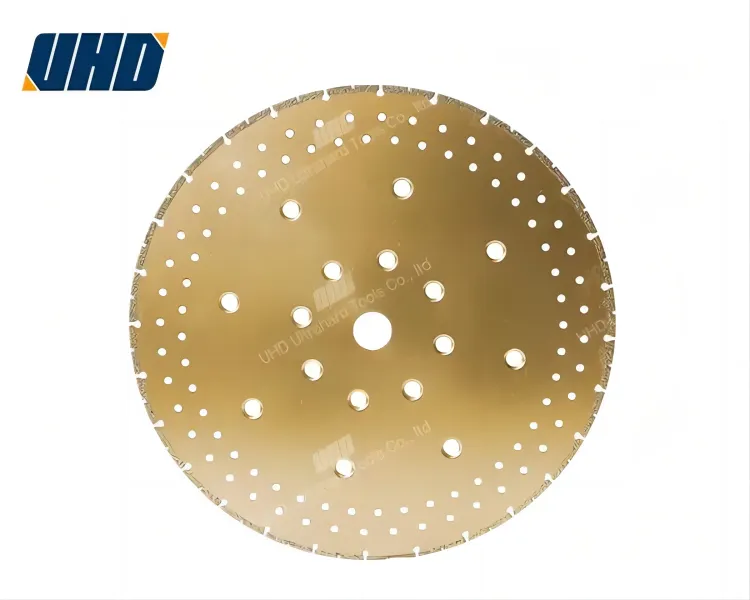
If you're working in a dusty environment like concrete demolition, dry cutting is necessary — but it demands a high-quality diamond blade like the UD 400H brazed diamond segment. These blades are engineered with optimized grit distribution and thermal stability. On the other hand, wet cutting (common in tile shops) reduces friction heat by up to 15%, which extends blade life significantly. Choose wisely based on your project’s conditions.
Here’s what top-tier operators do after each shift:
This simple routine can increase your tool’s lifespan by up to 40%, saving thousands annually in replacement costs.
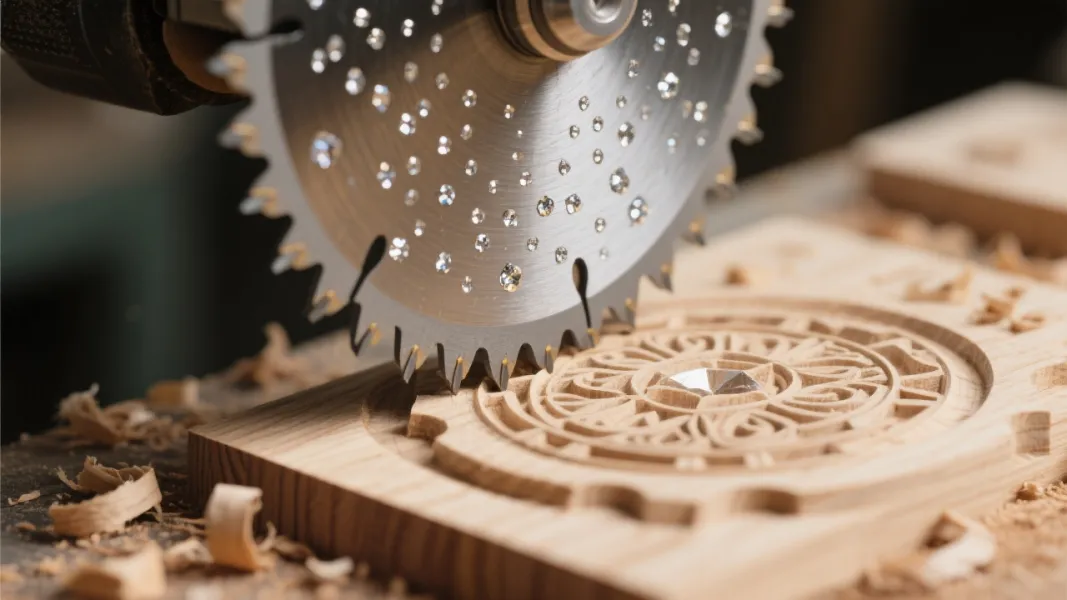
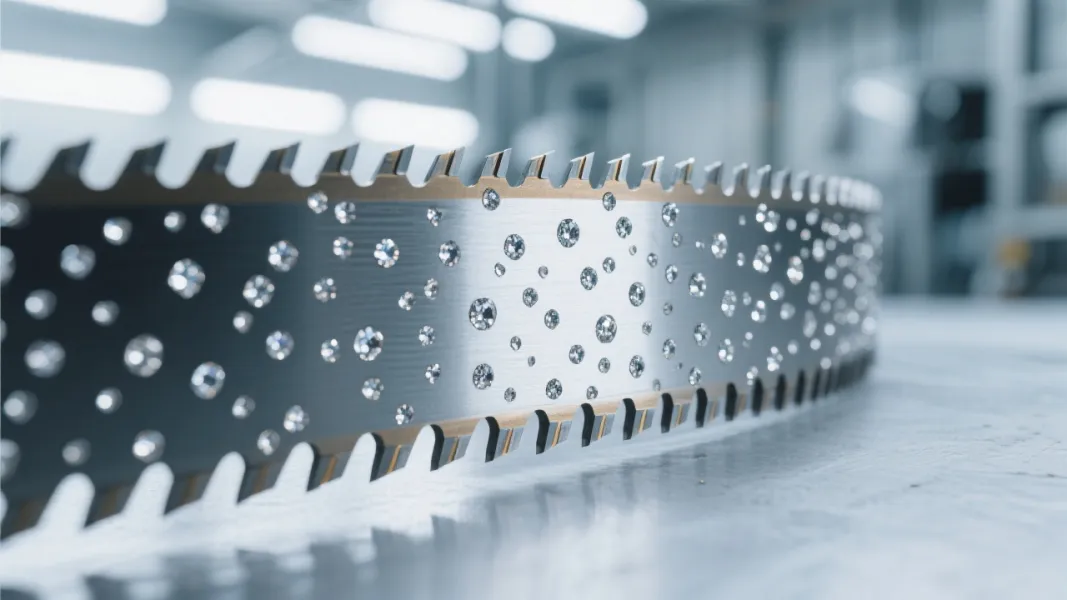
The UD 400H blade features an innovative heat-dissipating design with micro-channel cooling fins — keeping surface temps 15°C lower than standard blades under heavy load. Pair this with regular vibration checks using a handheld sensor (available for under $50), and you’ll catch issues before they become failures. One contractor reported reducing emergency repairs by 60% after adopting this method.
We recently visited a marble fabrication shop where operators skipped cleaning for three months. Result? A single blade failed mid-cut, damaging a $12k slab. After implementing our 4-step process, their blade life jumped from 12 to 28 jobs per unit — and customer complaints dropped to zero.
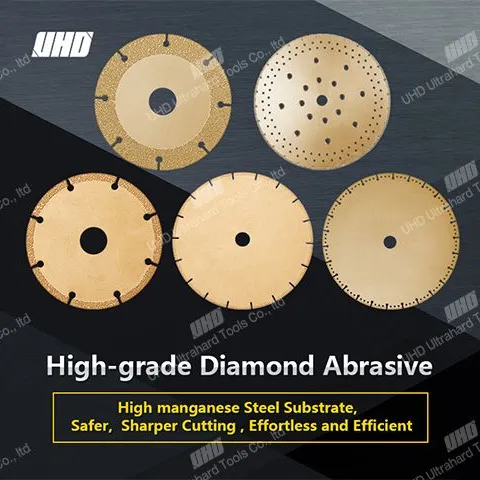
Try the UD 400H brazed diamond blade in your next project — it’s built for both dry and wet environments, with superior heat resistance and consistent performance across materials like granite, porcelain, and natural stone.
See Why Pros Trust UD 400HWhat’s your biggest challenge with cutting tools today? Drop a comment below — we read every one, and your story might help another operator avoid costly mistakes.
 126
|
126
|
 brazed diamond saw blade technology
diamond particle distribution
cooling structure design
industrial cutting tools
reinforced bonding technique
brazed diamond saw blade technology
diamond particle distribution
cooling structure design
industrial cutting tools
reinforced bonding technique
 137
|
Brazing technology
Diamond saw blade
Heat dissipation design
Wear resistance
Cutting efficiency
203
|
brazed diamond saw blades
concrete cutting tools
granite cutting solutions
diamond blade performance
wear-resistant cutting tools
137
|
ISO 9001 saw blade certification
diamond saw blade selection guide
industrial cutting tool trends
brazed diamond saw blade
granite cutting solutions
361
|
Diamond saw blade purchase guide
Industrial cutting tool trends
Granite cutting solutions
Saw blade wear resistance improvement
Brazed diamond saw blades
137
|
Brazing technology
Diamond saw blade
Heat dissipation design
Wear resistance
Cutting efficiency
203
|
brazed diamond saw blades
concrete cutting tools
granite cutting solutions
diamond blade performance
wear-resistant cutting tools
137
|
ISO 9001 saw blade certification
diamond saw blade selection guide
industrial cutting tool trends
brazed diamond saw blade
granite cutting solutions
361
|
Diamond saw blade purchase guide
Industrial cutting tool trends
Granite cutting solutions
Saw blade wear resistance improvement
Brazed diamond saw blades






.png?x-oss-process=image/resize,h_600,m_lfit/format,webp)

.png?x-oss-process=image/resize,h_600,m_lfit/format,webp)