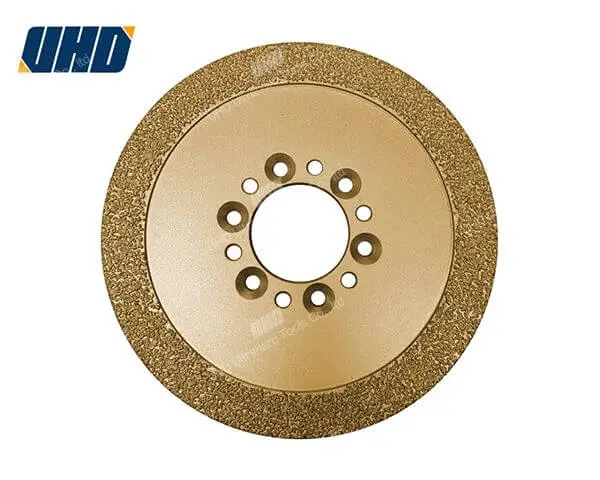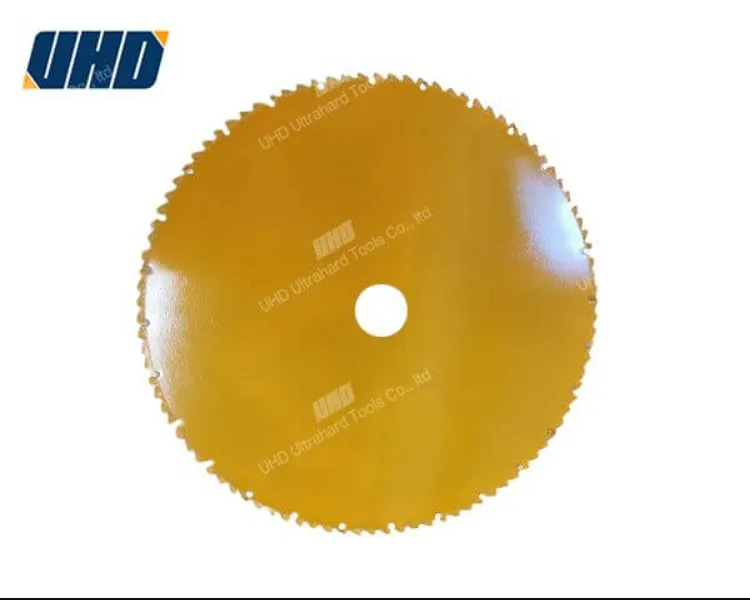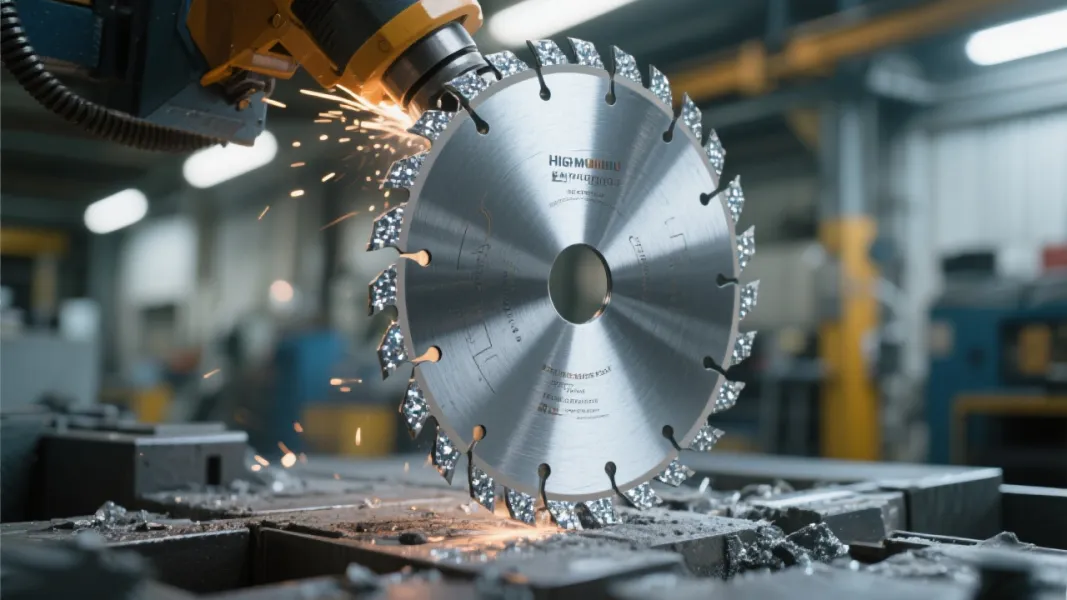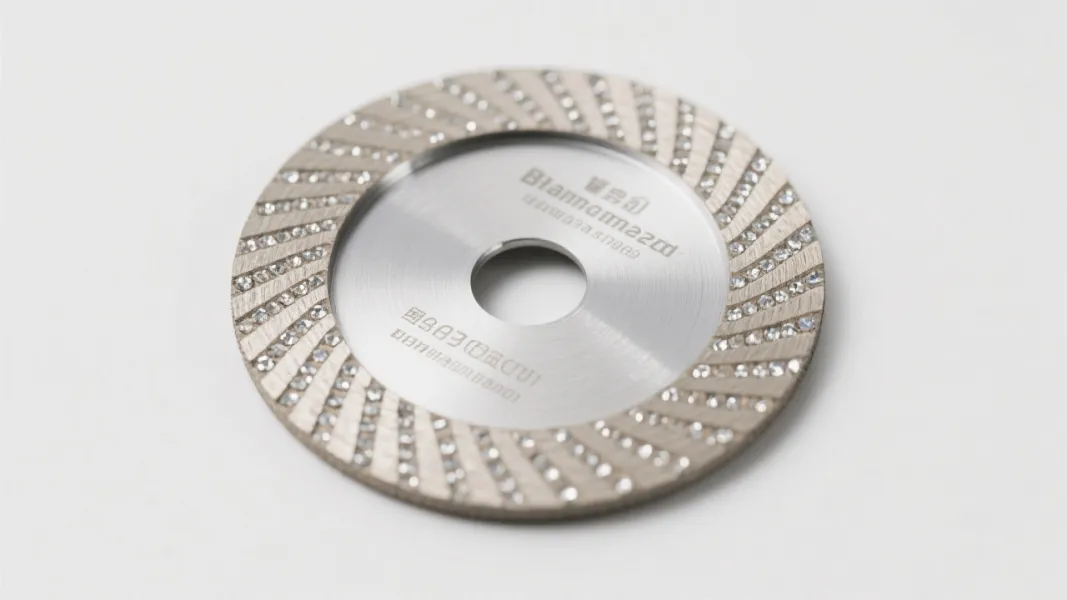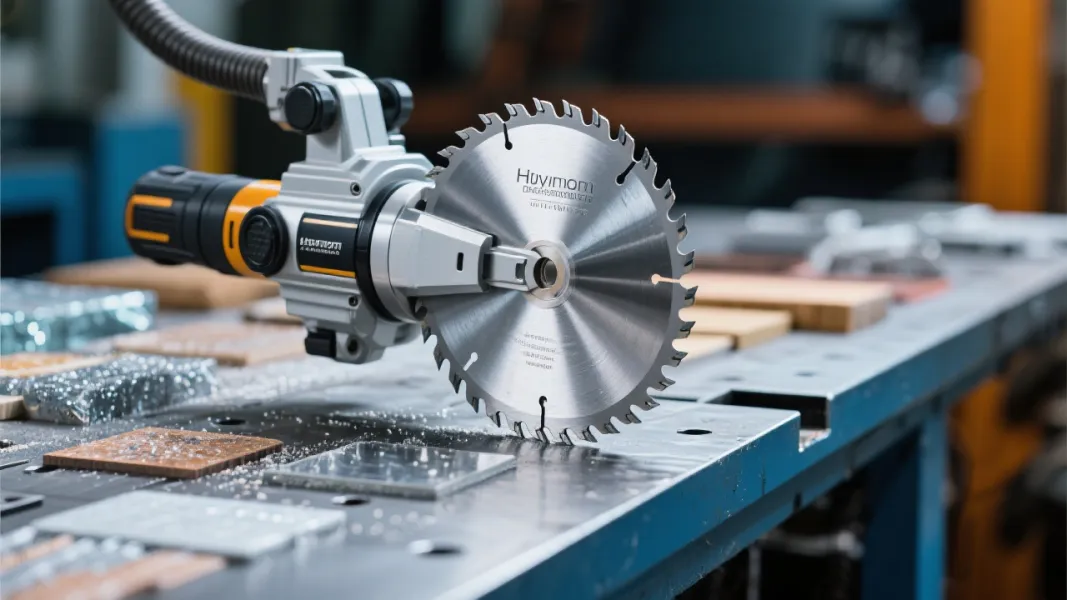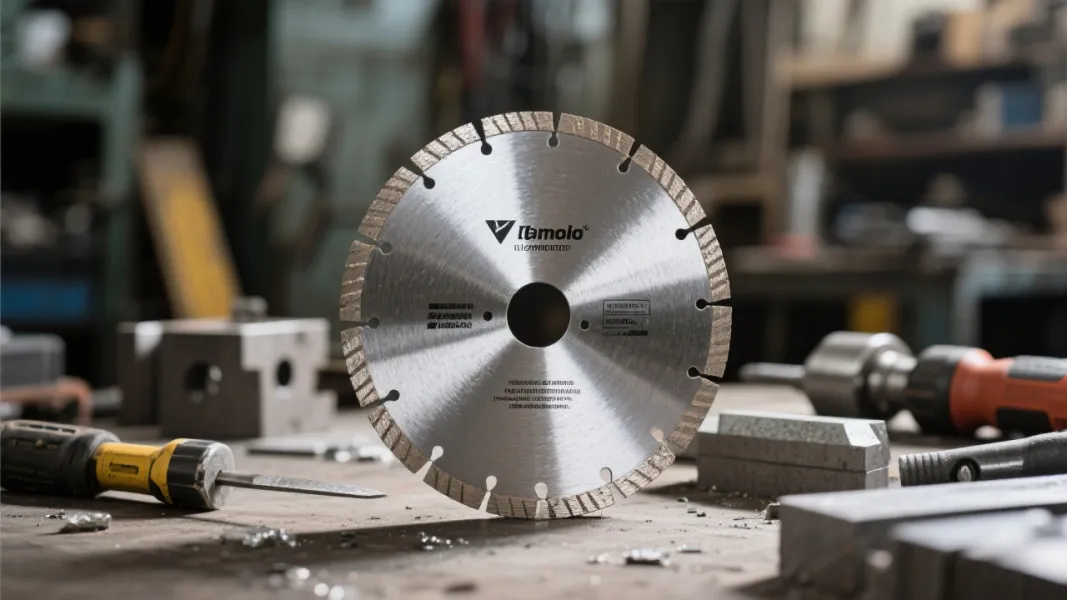
In the construction, renovation, and stone processing sectors, selecting the right diamond saw blade cutting method is crucial for efficiency, safety, and tool longevity. UHD brings a thorough analysis of wet cutting diamond blades and dry cutting diamond blades, focusing on their technical differences, operational environments, and maintenance requirements.
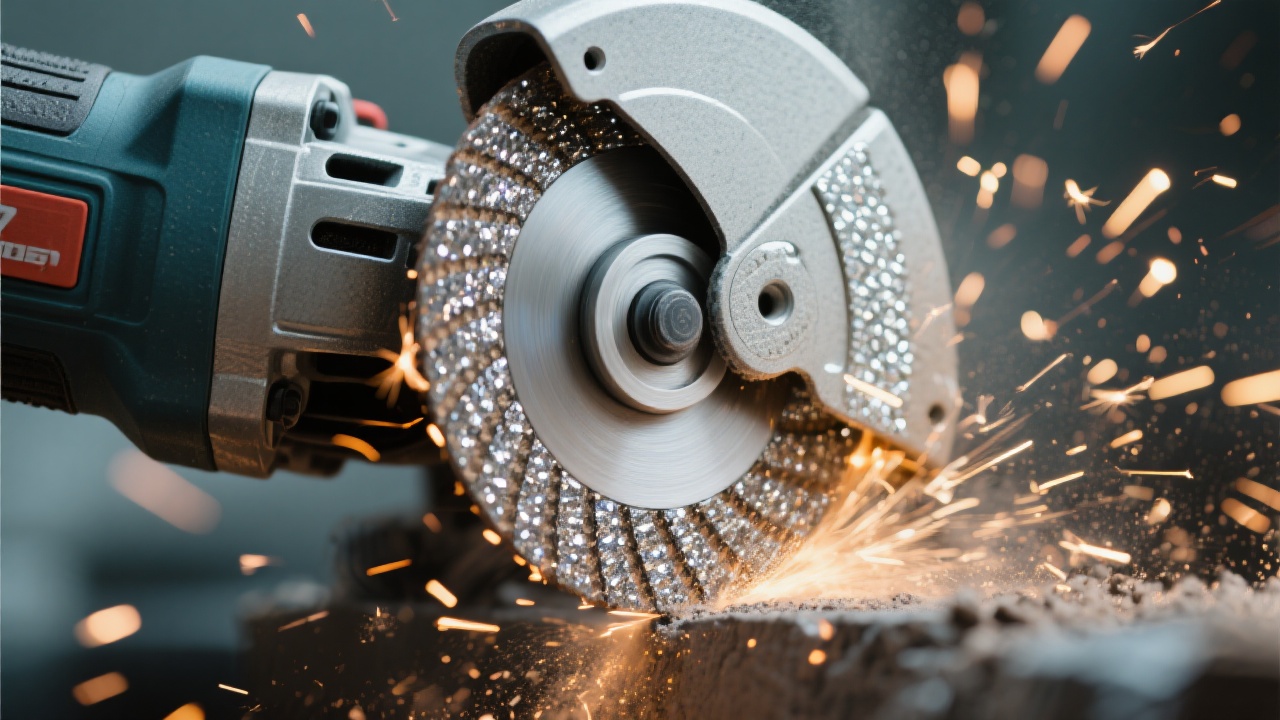
Wet cutting diamond blades use water as a coolant and lubricant, dramatically reducing the heat generated during cutting. This cooling prevents blade overheating, minimizes thermal damage, and extends blade life—particularly important when cutting dense materials like granite or reinforced concrete. Typical wet cutting operations reduce blade temperatures by up to 50% compared to dry cutting.
Conversely, dry cutting blades rely on air cooling and require specialized equipment to manage heat. While dry cutting allows for greater portability and speed in certain scenarios, it often leads to higher blade wear rates and potential microfractures from heat accumulation.

One of the most significant advantages of wet cutting is its inherent dust suppression. Water acts as a dust suppressant, significantly reducing airborne particulates that pose serious respiratory risks on job sites. According to industry studies, wet cutting can decrease respirable dust generation by up to 80%, thus complying better with occupational safety standards such as OSHA and EU directives.
Dry cutting processes require advanced extraction and ventilation systems to manage dust, which can increase operational costs and complexity. Without proper dust control, dry cutting increases the risk of silica dust inhalation, severely impacting worker health over time.
Wet cutting generally necessitates stationary equipment or power tools equipped with water-feed systems, making it ideal for controlled environments such as stone fabrication shops or large-scale construction sites. It is less suited to remote or water-restricted areas.
Dry cutting diamond blades offer more flexibility for fieldwork and areas where water use is limited or impractical. However, the choice demands blades specifically engineered for dry use to withstand higher thermal stress and the abrasive impact without premature failure.
Field data highlight prevalent misconceptions such as:
Proper maintenance involves regular cleaning of debris and cooling channels, inspecting for segment cracks, and verifying correct blade tension and mounting angle. UHD’s recommended maintenance protocol extends blade life by up to 25%, directly affecting operational costs and cutting accuracy.
Different materials require tailored cutting approaches:
| Material | Preferred Cutting Method | Key Factors |
|---|---|---|
| Granite and Hard Stone | Wet Cutting | Heat management, dust suppression |
| Concrete & Masonry | Wet or Dry Cutting (depending on site) | Mobility, dust control, cooling |
| Tile and Ceramics | Dry Cutting (lighter materials) | Blade speed, minimal water use |

Explore UHD’s comprehensive product technical manual for tailored high-efficiency cutting solutions that match your project environment and material requirements—maximizing blade lifespan and ensuring safety compliance without compromise.

 111
|
111
|
 brazed diamond saw blades
efficient cutting technology
complex material cutting
wear-resistant saw blades
cutting tool applications
394
|
Brazed diamond saw blades
Dust control
Industrial environmental - friendly cutting
Efficient cutting tools
Working environment optimization
brazed diamond saw blades
efficient cutting technology
complex material cutting
wear-resistant saw blades
cutting tool applications
394
|
Brazed diamond saw blades
Dust control
Industrial environmental - friendly cutting
Efficient cutting tools
Working environment optimization
 308
|
dry wet diamond saw blade operation
diamond blade cutting methods
stone cutting techniques
concrete cutting safety
blade lifespan extension
214
|
brazed diamond saw blade
diamond cutting tool
high-efficiency cutting
wear-resistant blade
complex material machining
308
|
dry wet diamond saw blade operation
diamond blade cutting methods
stone cutting techniques
concrete cutting safety
blade lifespan extension
214
|
brazed diamond saw blade
diamond cutting tool
high-efficiency cutting
wear-resistant blade
complex material machining
 178
|
diamond saw blade selection guide
industrial cutting tool trends
granite cutting solutions
saw blade performance evaluation
diamond saw blade parameters
178
|
diamond saw blade selection guide
industrial cutting tool trends
granite cutting solutions
saw blade performance evaluation
diamond saw blade parameters





.png?x-oss-process=image/resize,h_600,m_lfit/format,webp)